- XRP’s future depends heavily on real payment adoption, not speculation
- Short-term forecasts suggest modest growth, not explosive upside
- Long-term gains remain possible, but regulatory and competitive risks are still very real
Investing in crypto has a way of rattling even seasoned stock investors. Prices swing hard, narratives change quickly, and confidence can vanish overnight. XRP sits right in the middle of that uncertainty, now carrying a market cap well above $100 billion and a reputation that’s hard to pin down.
Unlike many newer tokens, XRP has been around for more than a decade. That history brings credibility, but also baggage. Investors aren’t just asking how high XRP can go anymore. They’re asking why it hasn’t already gotten there.
XRP’s Core Use Case and Ripple’s Role
XRP is closely tied to Ripple, the private fintech firm pushing the token as a bridge asset for cross-border payments. The pitch is simple enough: faster settlements, lower costs, fewer middlemen. In theory, XRP helps banks move money more efficiently across borders.
In practice, adoption has been uneven. Ripple has made progress with partnerships, but XRP still competes against established financial players like PayPal and traditional banking rails that already dominate global payments. Those competitors come with brand trust and regulatory clarity that XRP doesn’t always enjoy.
Short-Term Outlook: What 2026 Might Look Like
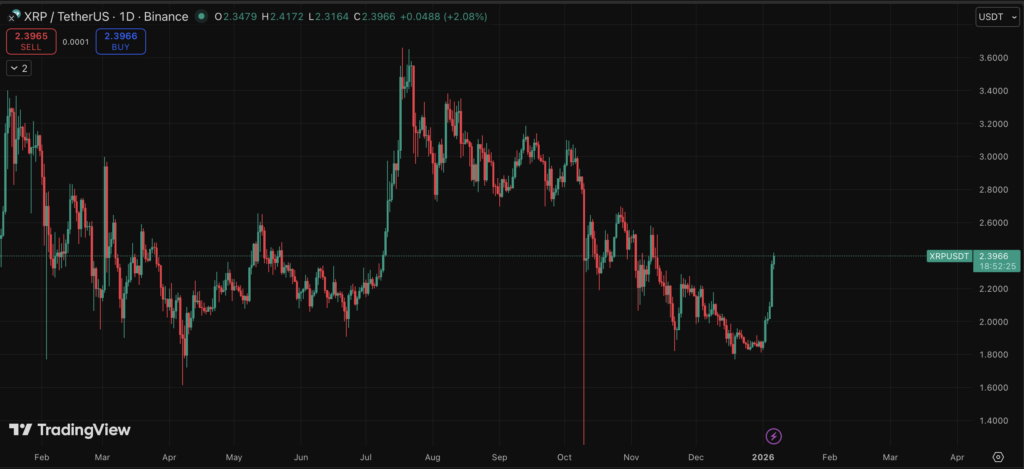
By late 2025, XRP was trading near $1.85, down from earlier highs and showing signs of fading momentum. The price action reflected ongoing uncertainty rather than a clear trend. Some analysts view this as consolidation. Others see it as a warning.
Forecast models remain cautious. CoinCodex, for example, estimates XRP could average around $2.20 through 2026. That would be a modest gain, not a breakout. It assumes interest stabilizes and regulatory pressure doesn’t intensify. If adoption stalls again, even that projection could struggle.
Long-Term Forecast: 2030 and Beyond
Long-term crypto forecasts rely more on belief than balance sheets. There are no earnings reports or dividends to fall back on. If crypto sentiment turns bullish and Ripple finally delivers on its payment vision, XRP could benefit from higher usage and liquidity.
CoinCodex projects an average price above $6 by 2030, but that outcome depends on several things going right at once. Regulatory clarity, real payment volume, and sustained institutional interest all need to align. History suggests that’s far from guaranteed.
Risks That Still Hang Over XRP
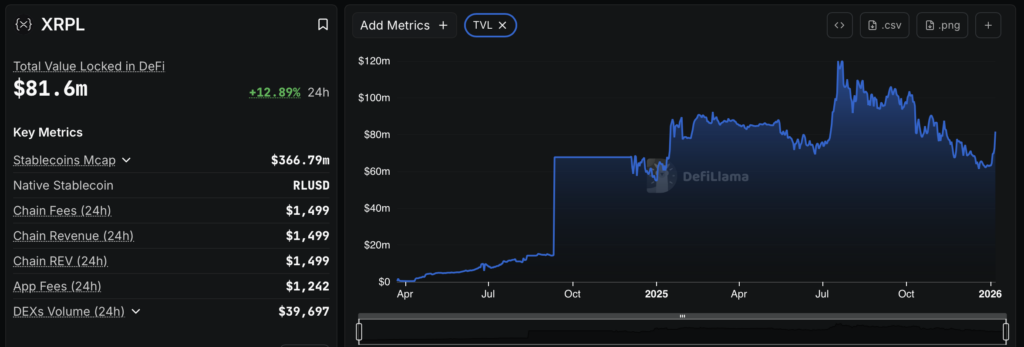
XRP’s biggest challenge may be time. The token launched in 2013 and still hasn’t fully captured the cross-border payment market it targets. Regulatory uncertainty continues to weigh on sentiment, and competition from both crypto and traditional finance isn’t slowing down.
Price volatility adds another layer of risk. XRP has shown it can spike quickly, but it has also given back gains just as fast. That makes it difficult to treat as anything other than a speculative, long-term bet.
Final Thoughts: Cautious Optimism or Lingering Doubt?
XRP is not a dead project, but it’s also not a guaranteed winner. It sits in a gray zone between promise and frustration. Investors considering XRP should treat it as a high-risk asset and size positions accordingly, with realistic expectations rather than hype-driven forecasts.