- Global instability could increase demand for alternative payment infrastructure like XRP
- Short-term market stress typically pushes investors away from crypto assets first
- XRP’s long-term outlook depends on whether instability is episodic or structural
The world feels less predictable by the day, and that uncertainty is starting to reshape how people think about money, power, and infrastructure. As global alliances shift and economic priorities realign, the next couple of decades are likely to look very different from the last. That kind of change creates stress, but it also opens the door to new systems that weren’t strictly necessary before.
For XRP, this environment cuts both ways. On one hand, instability can weaken confidence in existing financial rails. On the other, it can push investors away from risk assets altogether. Understanding which force wins out matters a lot for how XRP’s story unfolds.
Why Instability Can Strengthen XRP’s Long-Term Case
One scenario where XRP benefits is if global payments become more fragmented and harder to move through traditional channels. Cross-border transfers are already slow and expensive, often relying on long chains of correspondent banks. Each intermediary adds cost, delay, and potential points of failure, especially when politics or sanctions enter the mix.
The XRP Ledger was designed to work around that problem. By routing payments through order books and automated market makers, XRPL can reduce friction when moving value between currencies. In theory, that makes it well suited for a world where money needs to move across borders quickly, even as trust between institutions becomes thinner.
If Ripple continues expanding its network of payment partners, secures approvals in new regions, and builds out services that settle using XRP, global instability could actually reinforce the need for alternative settlement tools. In that sense, turbulence doesn’t break the investment thesis, it sharpens it. A more complicated world tends to reward systems that simplify core functions, like moving money.
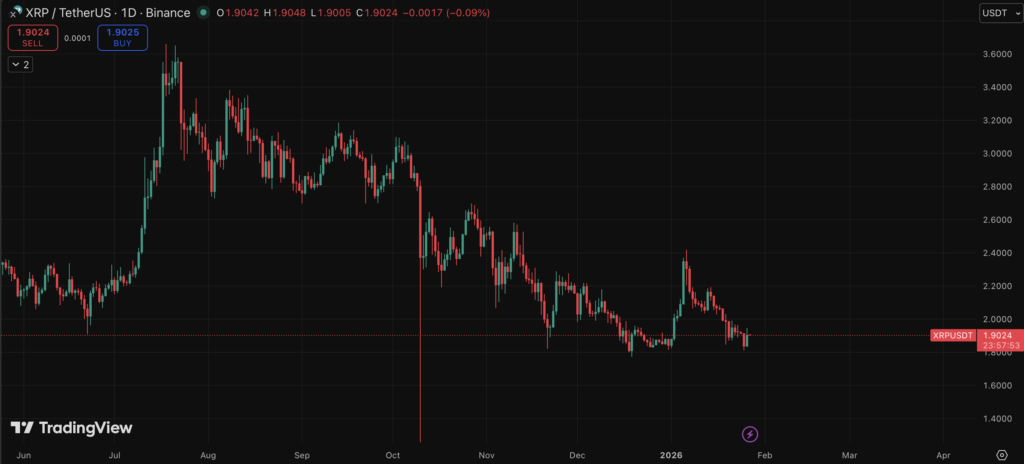
The Short-Term Problem: Instability Hits Risk Assets First
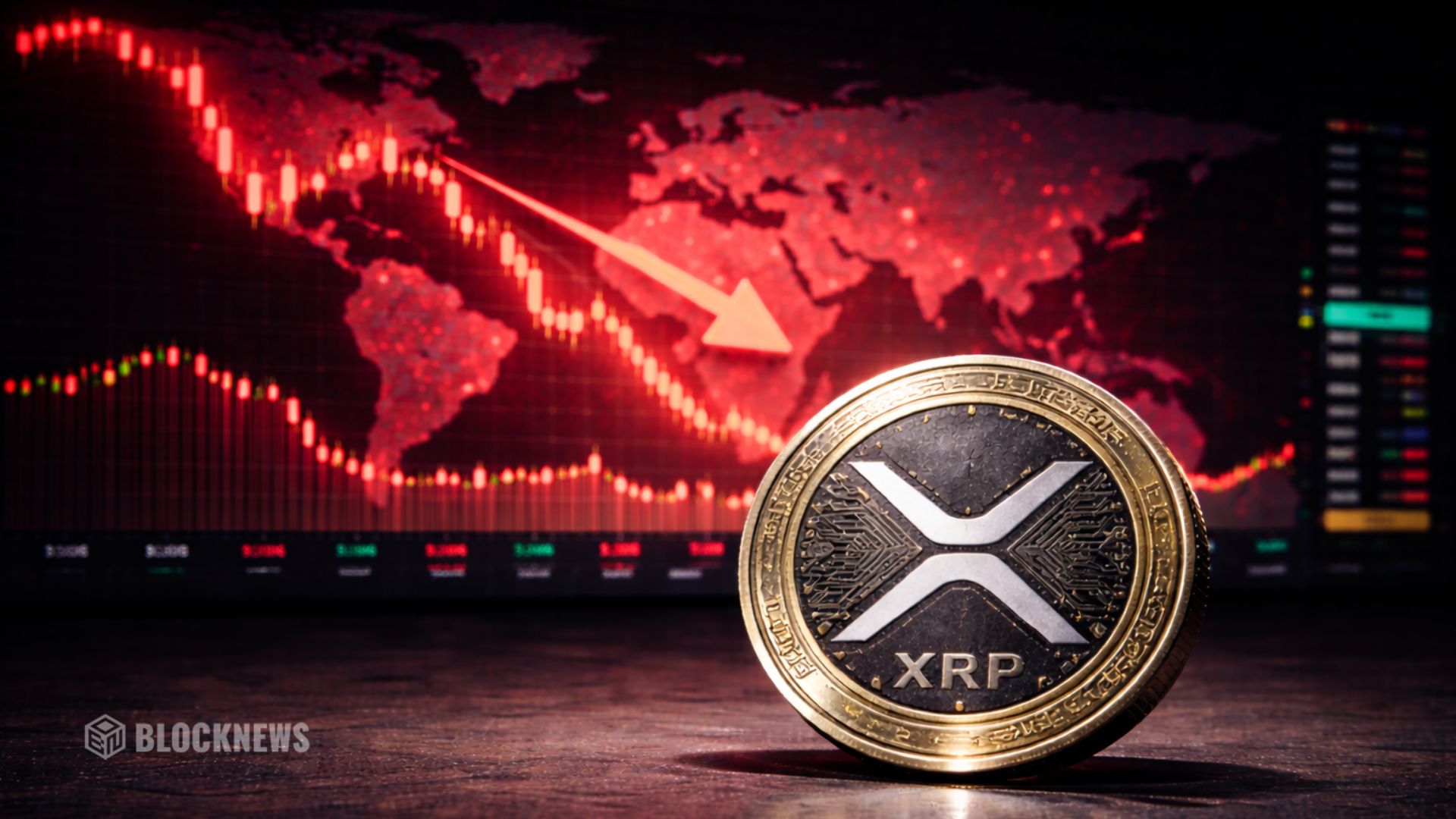
There’s another side to this story, and it’s the one markets usually act on first. When headlines turn ugly or economic damage starts piling up, investors tend to cut exposure to volatile assets. Crypto is almost always on that list. XRP is no exception, especially in the short term.
In moments of stress, digital assets rarely get treated as safe havens. That behavior becomes self-reinforcing. Selling pressure pushes prices down, which then validates the idea that crypto is risky during uncertain times. If instability shows up as sharp, episode-based shocks, XRP would likely feel the pain before any long-term benefit becomes visible.
There’s also a more specific risk tied to Ripple itself. The company is based in the U.S., which means it’s closely linked to U.S. policy and regulation. That connection can complicate perceptions abroad, particularly when instability shows up as sanctions, trade retaliation, or politically motivated rules. In a fragmented global landscape, that association could matter more than many expect.
What This Means for XRP Going Forward
The outcome depends on the shape instability takes. If it shows up as sudden market stress, like tariff-driven volatility or financial scares, XRP may struggle in the near term before finding its footing again. That’s the path markets usually take, messy first, rational later.
If instead instability turns into a slow grind toward a more fragmented global payment system, XRP’s long-term setup looks more compelling. In that world, tools designed for efficient, neutral settlement start to matter a lot more. The opportunity is there, but patience would be required, and not everyone is built for that kind of wait.