

- Charles Hoskinson doubts the CLARITY Act will pass this year and sees 2029 as a realistic delay.
- He blames political fallout from Trump-linked crypto actions for breaking bipartisan support.
- Industry frustration is growing as federal crypto legislation continues to stall.
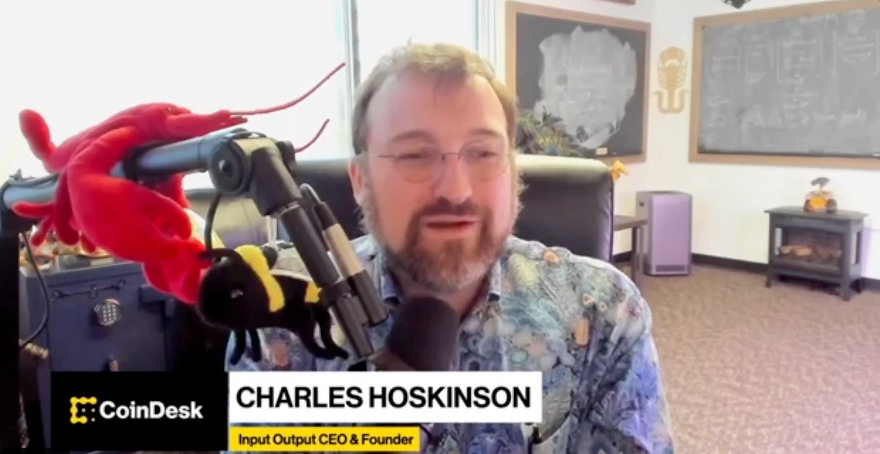
Cardano founder Charles Hoskinson isn’t optimistic about the future of U.S. crypto legislation, especially when it comes to the Digital Asset Market CLARITY Act. He’s been clear in recent comments that he doesn’t expect the bill to pass this year, and he sees a real risk of it being delayed until after 2029 if Democrats regain control of the House. What was once shaping up to be a rare bipartisan effort, in his view, has slowly unraveled under political pressure.
How Politics Derailed a Bipartisan Push
Hoskinson argues that the CLARITY Act lost momentum when crypto became more closely tied to partisan narratives. He specifically points to former President Donald Trump’s crypto-related moves, including the launch of Trump-linked tokens, as a turning point. Those actions, he says, shifted the conversation away from regulatory clarity and toward political identity, making it harder for Democrats to support legislation associated with Trump-era initiatives. Once that happened, bipartisan cooperation became far more fragile.

Memecoins and Messaging Problems
Another issue, according to Hoskinson, is perception. Trump-linked memecoins may have generated attention, but they also blurred the line between serious policy work and speculative hype. For lawmakers already skeptical of crypto, that overlap didn’t help. Instead of focusing on frameworks, custody rules, and market structure, the debate drifted toward headlines and political signaling. That shift, he believes, alienated lawmakers who might otherwise have supported clearer regulations.
Leadership Frustrations Inside the Industry
Hoskinson has also directed criticism inward, taking aim at Trump’s crypto adviser David Sacks. He’s openly questioned whether current leadership has delivered anything meaningful for the industry, even suggesting Sacks should step down if the CLARITY Act stalls indefinitely. Those remarks reflect a deeper frustration shared by many in crypto — years of discussion, drafts, and hearings, yet very little concrete progress at the federal level.
Why 2029 Keeps Coming Up
From Hoskinson’s perspective, the timeline now hinges on election outcomes and whether crypto regulation can be separated from broader political battles. If Democrats retake the House, he believes momentum for the CLARITY Act could freeze entirely, pushing real legislative progress into the next decade. Passing complex tech regulation is already difficult, but once it becomes politicized, the path forward gets even narrower. For now, Hoskinson sees patience, not progress, as the industry’s reality.