
- November CPI and core inflation both came in below expectations.
- Data was affected by the government shutdown, adding some uncertainty.
- Stock futures jumped as investors priced in easier Fed policy ahead.
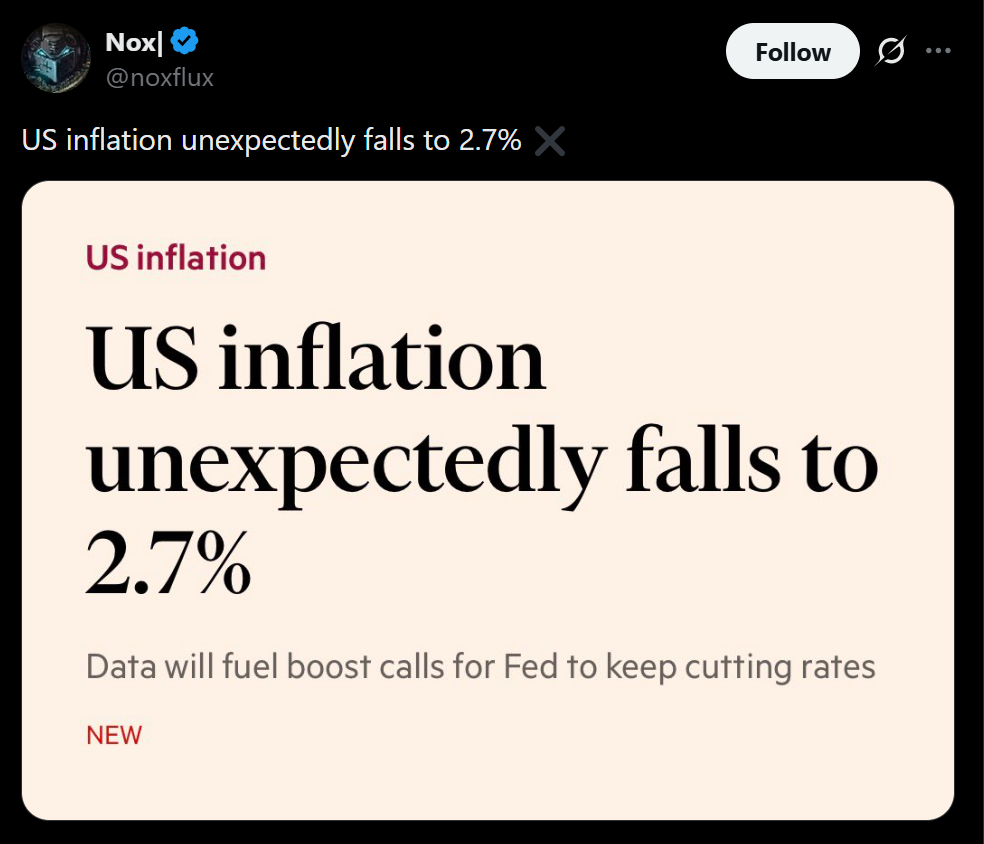
U.S. inflation showed clearer signs of cooling in November, giving investors a fresh reason to believe monetary policy could ease more than Wall Street has been pricing in. A delayed report from the Bureau of Labor Statistics showed consumer prices rising at a 2.7% annualized pace, noticeably below expectations. The softer reading immediately shifted market sentiment, with traders scanning the data for clues that inflation pressures may finally be losing their grip.
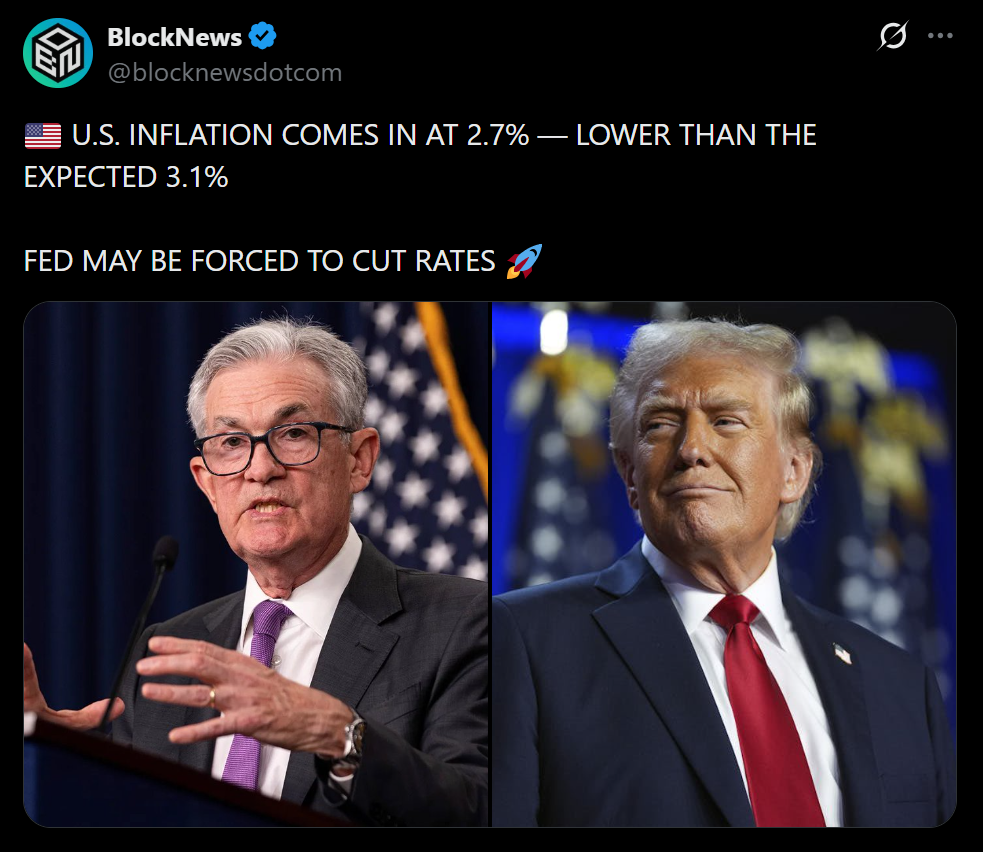
CPI and Core Inflation Surprise to the Downside
According to the report, headline CPI increased 2.7% year over year, undershooting the 3.1% forecast from economists surveyed by Dow Jones. Core CPI, which excludes food and energy, also came in cooler than expected at 2.6%, compared to forecasts calling for a 3% increase. Together, the numbers point to broader disinflation rather than isolated price relief, even if one report doesn’t make a trend.
Data Comes With Caveats
This release carries some unusual footnotes. November’s CPI is the first report covering the period affected by the U.S. government shutdown, which disrupted data collection and led to the cancellation of the October CPI release entirely. The BLS acknowledged that it couldn’t retroactively gather October survey data and instead relied on limited nonsurvey sources to complete calculations. As a result, economists are cautious about reading the report as definitive proof that inflation is on a sustained downward path.
Markets Focus on the Fed Angle
Despite those limitations, investors wasted little time reacting. Markets are increasingly focused on what cooling inflation could mean for Federal Reserve policy, especially after the Fed delivered its third consecutive 25-basis-point rate cut earlier this month. Tom Lee of Fundstrat suggested that a tame CPI reinforces the Fed’s priority of protecting the labor market, effectively putting a policy backstop under the economy. In that scenario, downside risks matter more than inflation overshoots.
Stocks Jump on Softer Inflation Signal
Equity markets responded swiftly. S&P 500 futures climbed roughly 0.5% shortly after the data dropped, putting the index on track to snap a four-day losing streak. The reaction reflects growing confidence that inflation may be cooling fast enough to give the Fed more flexibility, even if policymakers remain cautious in public messaging.