
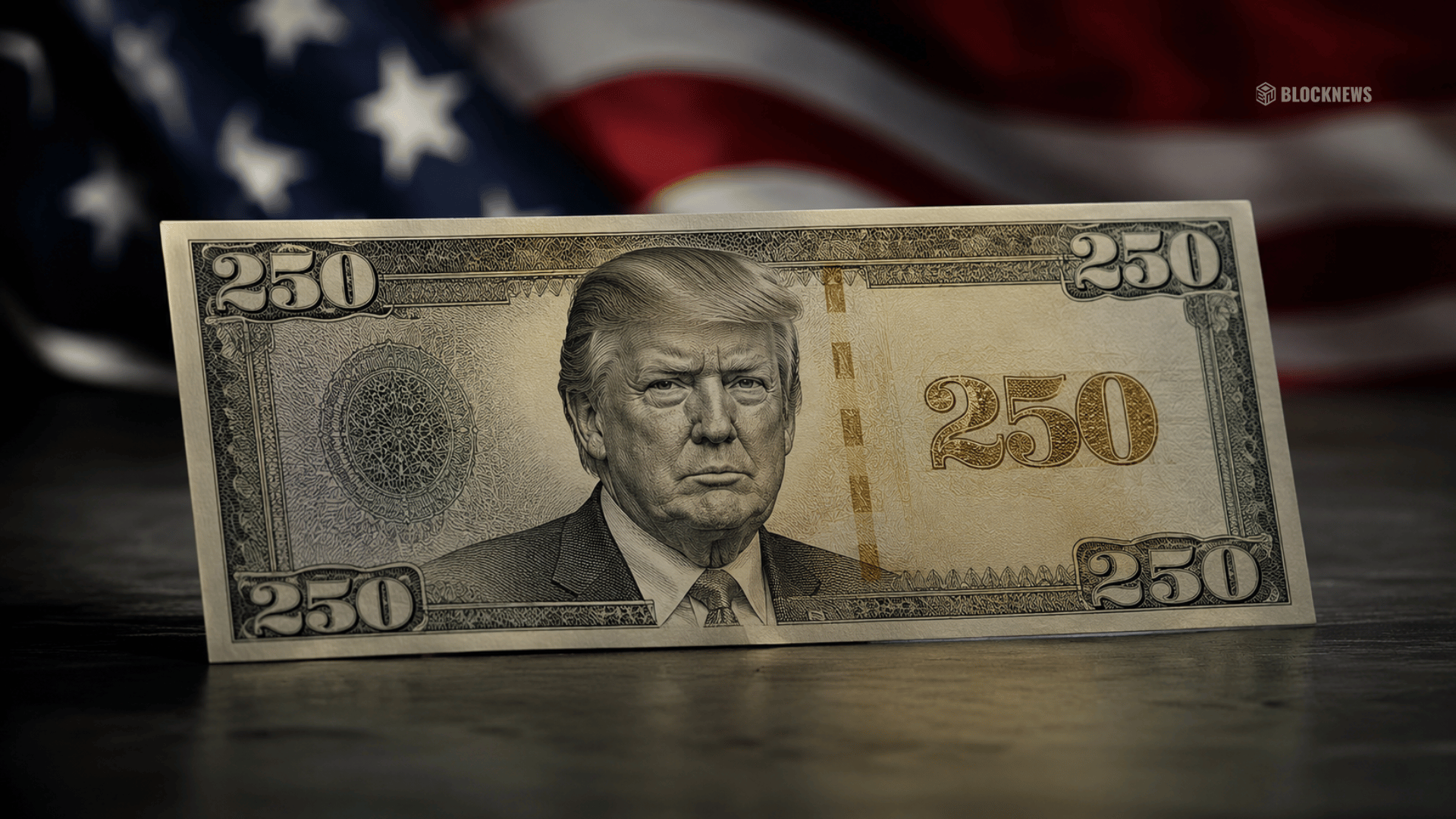
- Trump administration officials reportedly pushed for a $250 bill featuring Donald Trump
- Current federal law prohibits living people from appearing on U.S. currency
- Treasury employees reportedly warned the proposal could take years and face legal barriers
The Trump administration is reportedly exploring one of the more surreal ideas Washington has produced lately, a new $250 bill featuring President Donald Trump’s face directly on U.S. currency. According to reporting from The Washington Post, administration officials have spent months pushing Treasury staff to prepare mock-up designs despite existing federal law explicitly prohibiting living people from appearing on American banknotes.
And yes, that legal detail is apparently causing some problems.
Treasury Officials Reportedly Pushed The Project Quietly
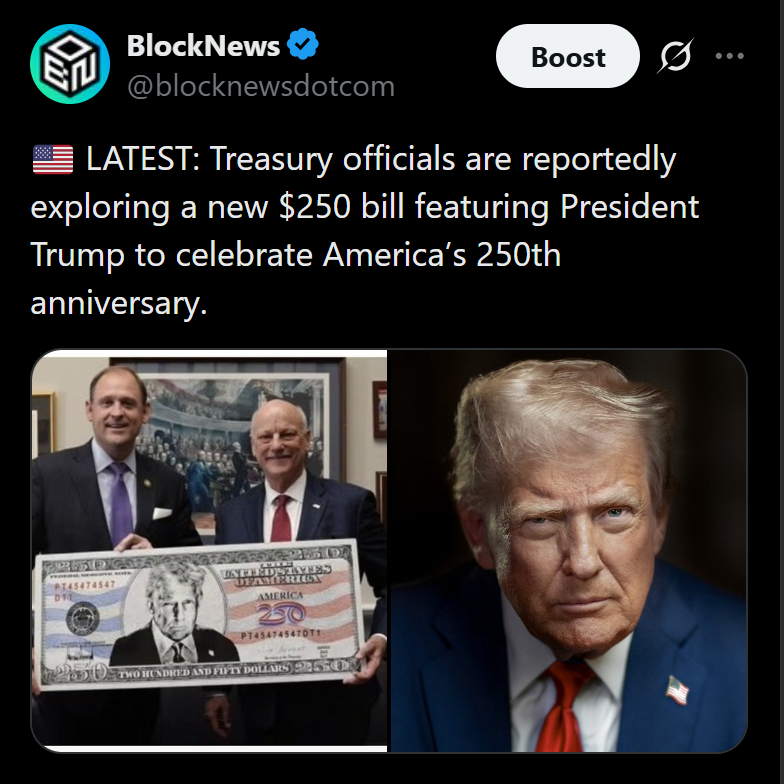
According to current employees at the Bureau of Engraving and Printing who spoke with The Washington Post, U.S. Treasurer Brandon Beach and senior adviser Mike Brown began circulating mock-up concepts for the proposed $250 bill as early as last August.
One design reportedly places Trump’s portrait prominently at the center of the note alongside signatures from Trump himself and Treasury Secretary Scott Bessent. British artist Iain Alexander, who created the concept artwork, said Trump personally reviewed and approved adjustments to the design, including adding American flag colors and imagery tied to the country’s upcoming 250th anniversary celebration.
Which honestly makes the whole thing sound less like monetary policy and more like a campaign merchandise brainstorming session.
Federal Law Is Standing Directly In The Way
The biggest issue facing the proposal is fairly simple. U.S. law currently only allows deceased individuals to appear on federal currency. That restriction has existed for more than 150 years specifically to avoid turning living political figures into symbols of state-backed personality cults.
Treasury employees reportedly warned administration officials that even if Congress changed the law, producing an entirely new denomination would still require years of planning, security testing, manufacturing coordination, and approval processes.
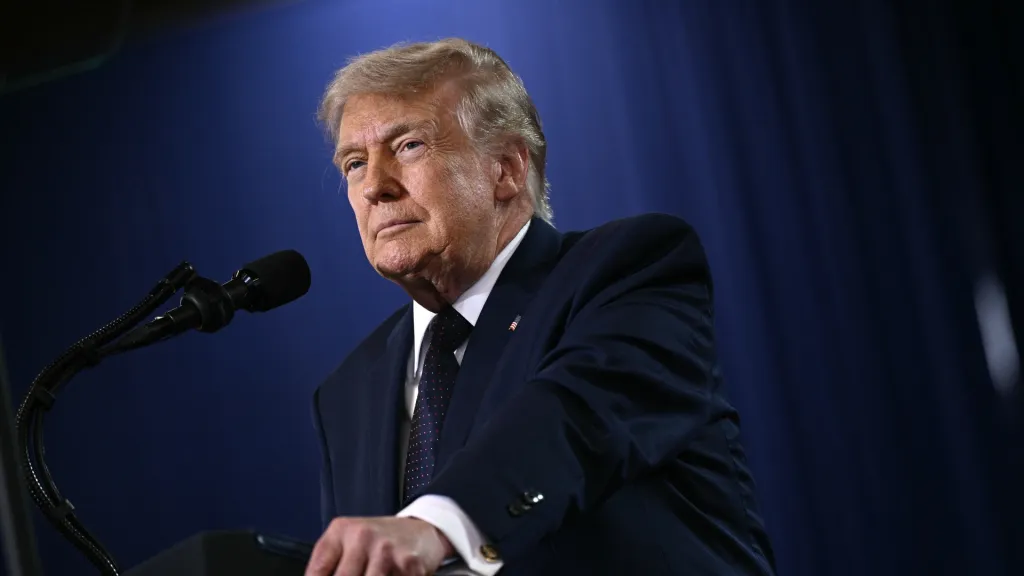
One employee reportedly told The Post:
“Currency often takes six to eight years to produce a new bill, particularly one of such high value.”
That timeline becomes even more complicated given the legislation introduced last year to permit Trump’s image on the bill has already stalled in Congress without advancing meaningfully.
Internal Tensions At Treasury Are Growing
The situation reportedly created serious internal friction inside the Bureau of Engraving and Printing. Patricia Solimene, the bureau’s former director, allegedly explained the legal and logistical constraints surrounding the project to administration officials before being abruptly reassigned from her role in April.
In a farewell letter to staff, Solimene said her reassignment was not voluntary and stated she was leaving with a “heavy heart.” She also emphasized that she never compromised the integrity of the U.S. Currency Program during her tenure.
Since her reassignment, Mike Brown reportedly assumed the role of acting director at the bureau, adding another layer of controversy to an already politically charged proposal.
Trump’s Branding Strategy Keeps Expanding Into Government
The proposed currency redesign fits into a much broader pattern surrounding Trump’s public branding efforts during his second term. Over recent months, Trump’s likeness and name have increasingly appeared across official federal projects, buildings, commemorative items, and government initiatives.
Reports indicate Trump’s image will also appear on select commemorative U.S. passports tied to America’s 250th anniversary celebrations. Additionally, a federal arts commission recently approved a 24-karat gold coin featuring Trump, while several federal buildings and institutions have also reportedly adopted Trump branding elements or naming changes.
Critics argue the moves blur uncomfortable lines between public institutions and personal political branding. Supporters view them as patriotic tributes tied to Trump’s political influence and popularity among his base.
The Proposal Feels More Symbolic Than Practical
Even if the legal barriers somehow disappeared tomorrow, many experts remain skeptical a $250 bill itself makes much practical sense. Modern U.S. financial systems rely increasingly on digital payments, while higher-denomination physical currency often raises concerns surrounding illicit activity, money laundering, and tax evasion.
That’s partly why the United States discontinued larger notes like the $500 and $1,000 bills decades ago.
For now, the proposed Trump $250 bill looks far more symbolic than operational, another flashpoint in the broader cultural and political battles surrounding Trump’s unusually personal approach to presidential branding and public institutions.