- Federal agencies ordered to phase out Anthropic technology
- Dispute centers on military safeguards and AI restrictions
- Pentagon negotiations remain open ahead of six-month deadline
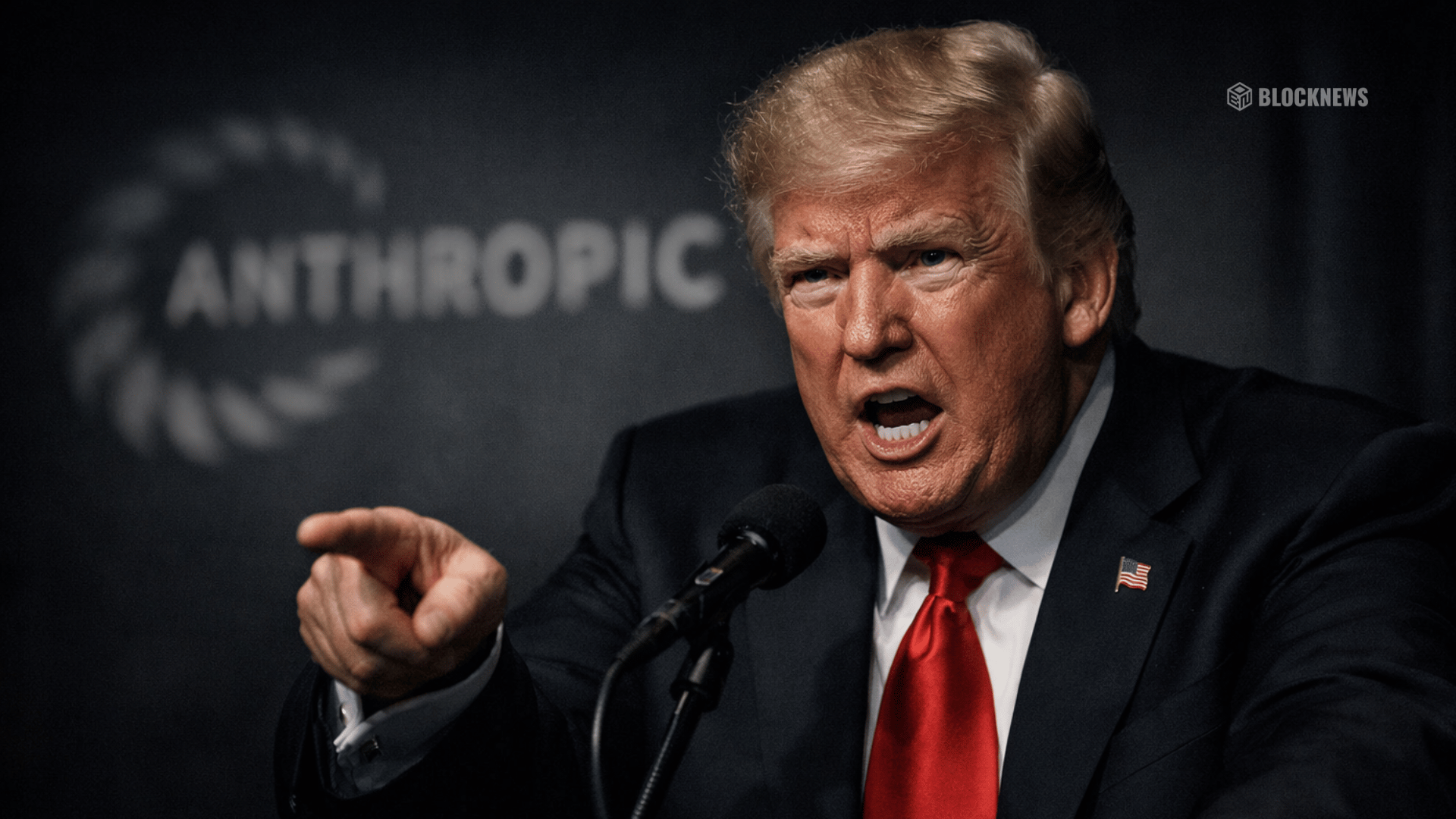
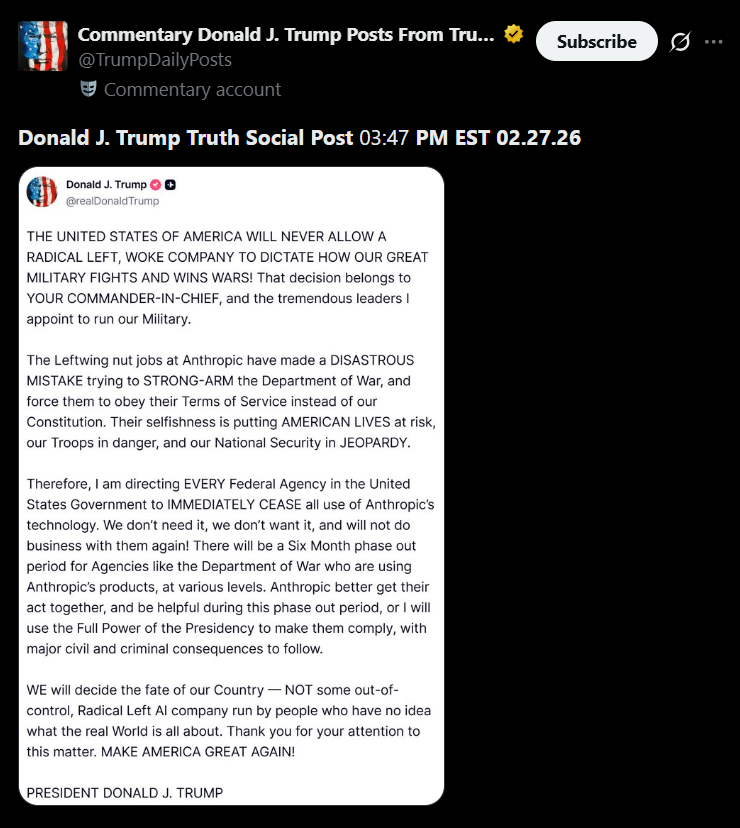
President Trump has directed all federal agencies to immediately stop using Anthropic’s technology, marking a sharp escalation in tensions between the White House and the AI company. Agencies currently relying on Anthropic products will have six months to phase them out, including the Department of War. The administration warned that failure to cooperate during the transition could lead to civil or even criminal consequences.
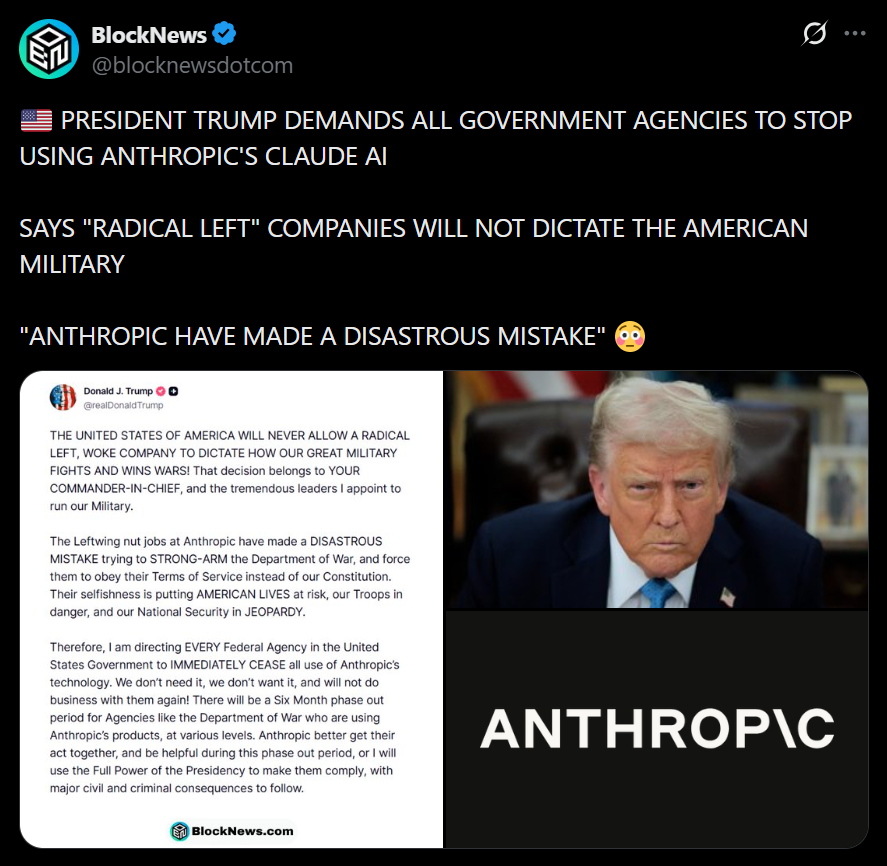
The decision follows Anthropic’s refusal to remove restrictions tied to military use of its artificial intelligence tools. What began as a contractual disagreement has now evolved into a broader standoff over how AI should function inside defense systems. The timing feels deliberate, and the message is unmistakably firm.
Military Safeguards at the Center of the Clash
Anthropic has insisted on two core conditions. First, it does not want its AI systems used for surveillance of US citizens. Second, it opposes autonomous lethal strikes carried out without a human decision-maker actively involved. Those safeguards, the company argues, are essential to maintaining ethical boundaries.
Pentagon officials, however, have resisted embedding company-imposed limits into government operations. Defense leaders want flexibility to operate within existing law, but without additional restrictions dictated by a private vendor. That disagreement has created a deadlock that now carries national policy implications.
Pentagon Leaves the Door Open
Despite the directive, negotiations are not entirely off the table. Under Secretary of Defense for Research and Engineering Emil Michael said defense officials remain open to talks if Anthropic negotiates in good faith. He indicated that discussions could continue before the six-month deadline expires.
Still, tension remains high. Anthropic CEO Dario Amodei has publicly stated that the company cannot accept the Pentagon’s latest contract language, arguing that it does not adequately protect against misuse. The confrontation has also drawn in Defense Secretary Pete Hegseth, who has been vocal about reshaping defense priorities and eliminating what he views as unnecessary constraints.
AI Governance Now a National Flashpoint
This dispute highlights a broader issue emerging in AI governance. As artificial intelligence tools become deeply embedded in defense, intelligence, and federal operations, questions about oversight and ethical boundaries are no longer abstract. They are contractual, political, and increasingly urgent.
The six-month transition period will determine whether compromise is possible or whether the split becomes permanent. Either way, the clash signals that AI companies and governments are entering a new phase, where technology policy is no longer just about innovation, but about power, control, and the limits of automation.