
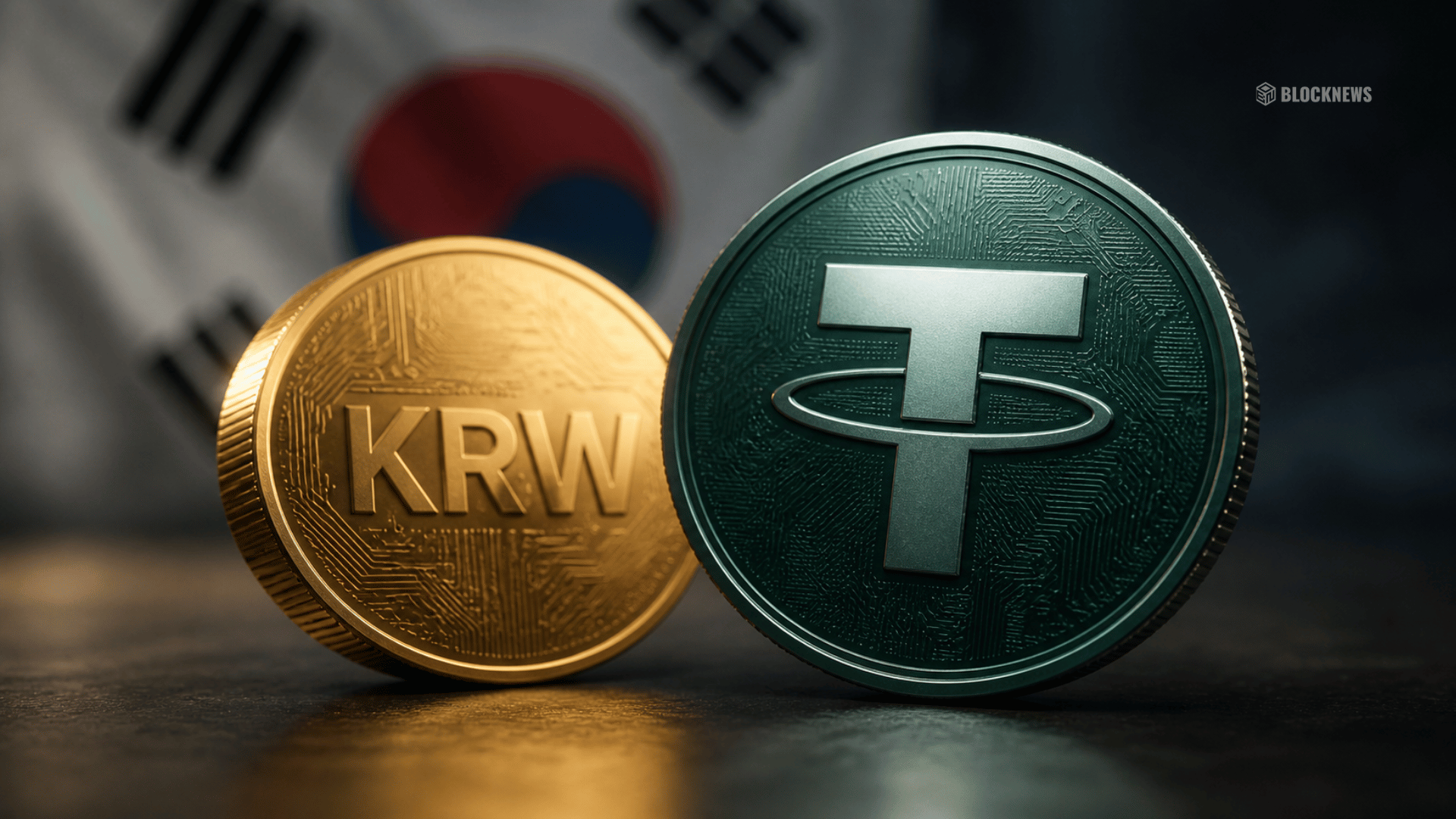
- South Korea moves to launch a won-backed stablecoin after $115B outflows
- Tether mints $5B USDT in two weeks, signaling rising global demand
- New local stablecoin could unintentionally accelerate capital flight
South Korea is trying to plug a leak that’s already turned into a flood, and the numbers make that pretty clear. Around $115 billion has flowed out of the country’s crypto ecosystem, much of it into dollar-backed stablecoins like USDT and USDC, which have quietly become the default rails for moving capital.

Now, regulators are pushing to launch a won-backed stablecoin, but the timing feels like it’s chasing something that’s already well ahead.
A Race to Build a Local Alternative
For years, issuing stablecoins domestically wasn’t even allowed under Korean law, which left traders relying on foreign options by default. That’s starting to change, with the Digital Asset Basic Act expected to open the door for local issuance in 2026, something policymakers now see as critical for monetary control.
Major players like Kakao, Naver, Toss, and several large banks are already lining up, all competing for a position in what could become Korea’s core digital payment layer.
Regulators Still Don’t Fully Agree
Even within the system, there’s tension over how this should work. The Financial Services Commission wants fintech companies involved, while the Bank of Korea prefers a bank-led model to maintain tighter control over monetary policy.
A compromise is forming, where banks hold majority stakes in issuing entities, but even that doesn’t fully solve the underlying issue.
The Problem No One Can Ignore
The real challenge isn’t building a won-backed stablecoin, it’s what happens after it exists. Once on-chain, users can easily swap a KRW stablecoin into USDT through decentralized platforms, which could actually make capital outflows faster, not slower.

It’s a bit of a paradox, the tool designed to protect the currency might end up strengthening the dollar’s dominance instead.
Meanwhile, Tether Keeps Expanding
While Korea debates structure and policy, Tether is simply moving ahead. Another $1 billion USDT was minted on Tron, pushing total issuance across Tron and Ethereum to $5 billion in just two weeks, which suggests demand for dollar liquidity is still climbing.
Tron has also become the dominant network for USDT, now holding more supply than Ethereum, reinforcing its role as the primary settlement layer for global stablecoin activity.
A Fight Against Network Effects
At the core of this situation is network effect, something that’s incredibly hard to reverse once established. USDT isn’t just widely used, it’s deeply embedded in how capital moves across crypto markets globally.
South Korea’s push makes sense from a policy perspective, but competing with that level of adoption is a different challenge entirely. And right now, it’s not clear if any local solution can fully close that gap.