- Russia’s central bank has officially registered its first self-regulatory organization for cryptocurrency exchangers and digital depositories.
- The National Association of Securities Market Participants (NAUFOR) will help establish industry standards and support regulatory compliance.
- Russia’s regulatory registries currently include 23 crypto-exchange participants and eight digital depositories, with major financial institutions such as VTB, Sberbank and T-Bank involved.
The Central Bank of Russia has officially registered its first self-regulatory organization overseeing cryptocurrency exchangers and digital depositories, marking another development in the country’s digital asset regulatory framework.
The registration designates the National Association of Securities Market Participants (NAUFOR) as an organization responsible for supporting industry standards and compliance requirements.
The move comes as Russian financial authorities continue formalizing oversight of cryptocurrency-related activities.
According to the reported registry figures, the central bank currently recognizes 23 crypto-exchange participants and eight digital depositories.
Major financial institutions, including VTB, Sberbank and T-Bank, are among the entities involved in the developing regulatory structure.
Russia Central Bank Expands Crypto Oversight
The registration of NAUFOR introduces a formal self-regulatory structure for organizations involved in cryptocurrency exchange and digital asset depository services.
Self-regulatory organizations typically help establish industry standards, monitor compliance among members and coordinate with government regulators.
Under Russia’s developing framework, NAUFOR is expected to play a role in supporting these responsibilities within the digital asset sector.
The initiative could provide participating companies with clearer operational expectations as cryptocurrency-related services become more integrated into regulated financial markets.
It also represents another step toward establishing consistent standards for businesses handling digital assets.
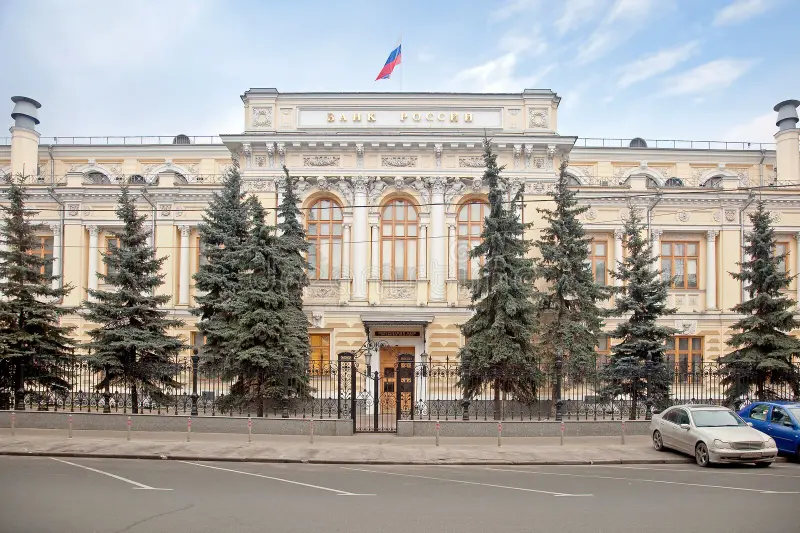
However, the registration does not automatically mean that all cryptocurrency activities have received unrestricted regulatory approval.
Individual businesses must still operate within applicable Russian financial regulations.
Major Russian Banks Participate in Digital Asset Market
The involvement of major financial institutions highlights the growing relationship between traditional banking and digital asset infrastructure in Russia.
According to the reported figures, the central bank’s registries include 23 crypto-exchange participants and eight digital depositories.
Financial institutions such as Sberbank, VTB and T-Bank are among the prominent names associated with the regulated market.
Digital depositories play an important role in managing records and custody-related functions for digital financial assets.
Meanwhile, cryptocurrency exchangers provide services connected to digital asset transactions, subject to the applicable regulatory requirements.
The participation of established banks could support the development of more structured financial services involving digital assets.
Still, the extent of each institution’s involvement and the specific services available to customers will depend on its regulatory permissions and business operations.
Russia Crypto Regulations Could Influence Market Activity
Russia’s latest regulatory development comes as governments worldwide continue establishing rules for cryptocurrency exchanges, custody providers and digital asset transactions.
Formal oversight can help clarify operating requirements and provide market participants with a better understanding of regulatory expectations.
For cryptocurrency businesses, clearer standards may also influence investment decisions and the development of new services.
Market observers will be monitoring how NAUFOR implements industry standards and whether additional institutions join the regulated framework.
The response from major banks such as Sberbank and VTB could provide further insight into how Russia’s digital asset market develops.
Bitcoin investors may also watch whether the regulatory changes influence cryptocurrency activity within the country.
However, the registration alone does not establish a direct relationship with Bitcoin’s price or guarantee increased trading demand.
The next developments will depend on how the new self-regulatory organization operates, how financial institutions respond and whether Russian authorities introduce additional digital asset regulations.