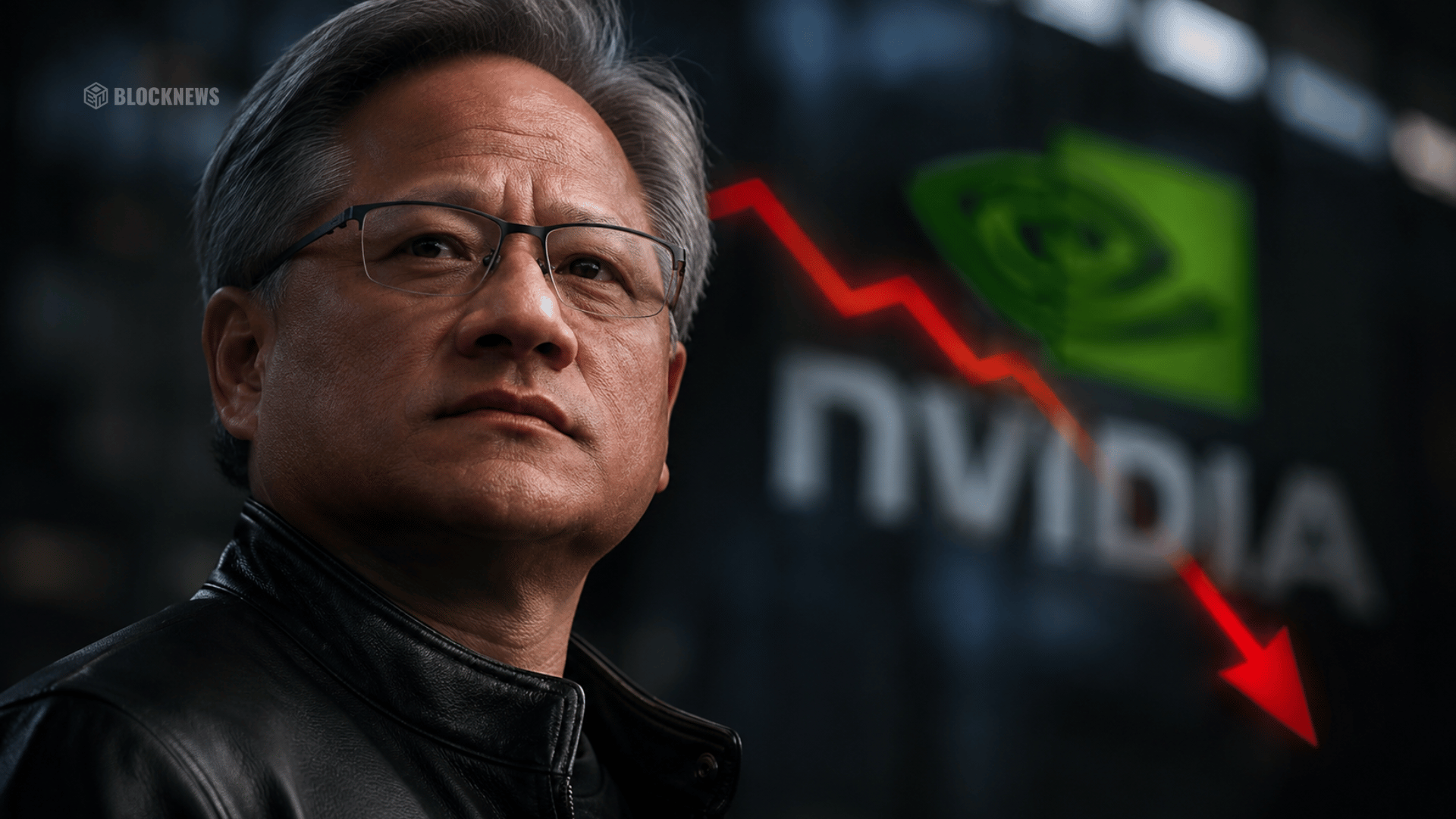
- Nvidia CEO Jensen Huang has stepped down following reports of two extramarital affairs, including allegations involving a woman suspected by U.S. authorities of working for Chinese intelligence.
- Nvidia CFO Colette Kress has been appointed interim CEO, while former Synopsys CEO Harvey Jones takes over as board chair.
- Nvidia shares plunged more than 14% in early trading, putting the company on track to lose nearly $200 billion in market value as investors assess the leadership transition.
Nvidia CEO Jensen Huang has resigned following a growing controversy involving his personal relationships and allegations of potential Chinese intelligence connections.
According to a Reuters report published Thursday, the departure comes after a turbulent week for the semiconductor giant, which has played a central role in the global artificial intelligence boom.
Huang, who co-founded Nvidia more than three decades ago, will also leave the company’s board of directors.
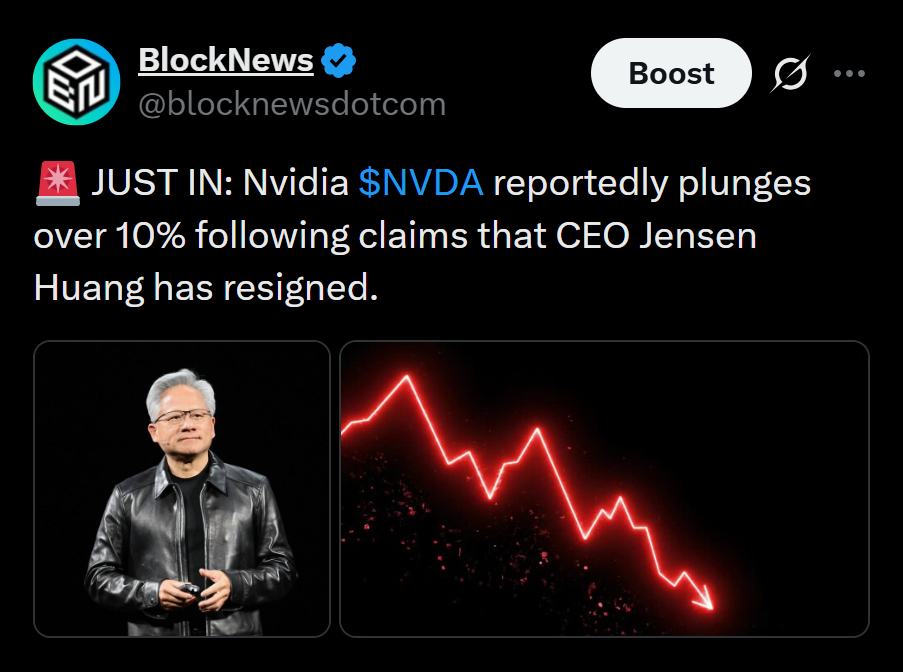
The announcement triggered a sharp market reaction, with Nvidia shares falling more than 14% during early trading before recovering some of those losses.
The leadership change raises questions about Nvidia’s future direction, particularly its AI infrastructure investments, international business relationships and access to the Chinese market.
Nvidia Appoints Colette Kress as Interim CEO
Nvidia announced that Chief Financial Officer Colette Kress will temporarily assume the chief executive position while the company searches for a permanent replacement.
The board is reportedly considering both internal and external candidates.
Former Synopsys CEO Harvey Jones, a longtime Nvidia director, has also been appointed the company’s first board chair.
Huang, who owns approximately 3.61% of Nvidia, remains its fourth-largest shareholder.
In a message to employees, Kress acknowledged the difficult circumstances surrounding the leadership transition.
She also announced a company-wide meeting scheduled for Nov. 18 at 9 a.m. Pacific Time.
The unexpected departure has created uncertainty around Nvidia’s management structure at a time when demand for artificial intelligence infrastructure remains a major driver of its business.
Michael Feldman, a portfolio manager at ClearBridge Investments, warned that the biggest concern may involve execution rather than Nvidia’s existing technology roadmap.
According to Feldman, Huang played an important role in coordinating the company’s relationships with suppliers, cloud providers and major AI developers.
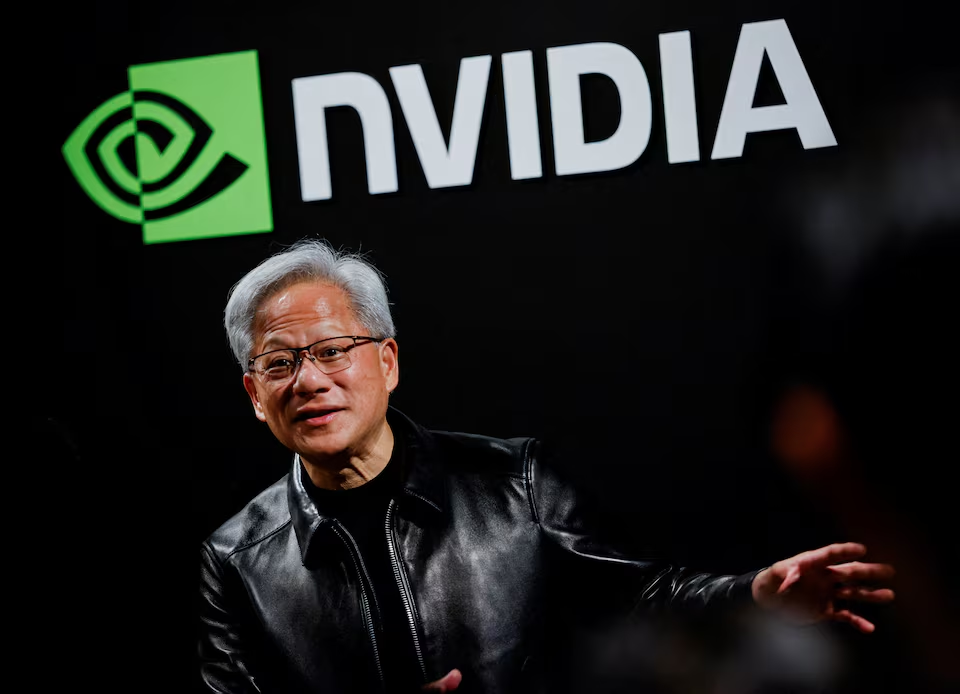
Nvidia Shares Drop as Chinese Intelligence Allegations Emerge
The controversy intensified after reports alleged that Huang had a relationship with Alice Huang, a Chinese businesswoman and former executive at Singapore-based cloud computing company Megaspeed.
U.S. authorities reportedly suspect that Alice Huang was connected to Chinese intelligence operations.
Beijing has denied the espionage allegations.
Megaspeed, an Nvidia cloud partner with access to advanced AI chips, has also faced scrutiny over allegations involving the transfer of restricted semiconductor technology to China.
Nvidia’s board previously launched an investigation with independent directors and outside legal counsel to examine whether Huang had been targeted by a foreign intelligence operation.
The controversy escalated further after reports alleged a separate relationship involving Kimberly Powell, Nvidia’s vice president of healthcare.
Following the resignation announcement, Nvidia shares dropped sharply, briefly declining more than 14%.
Although the stock recovered part of its losses, the company remained on course to lose nearly $200 billion in market capitalization.
Meanwhile, competing semiconductor companies AMD and Broadcom gained approximately 6% each.
Nvidia Leadership Change Raises Questions About AI Industry
Huang’s resignation could have broader implications for the artificial intelligence industry and U.S. semiconductor export policy.
Under his leadership, Nvidia became one of the world’s most valuable companies as demand for advanced AI processors accelerated.
The company also developed extensive financial and commercial relationships with cloud providers, technology companies and leading AI research organizations.
Huang had previously advocated maintaining access to China’s semiconductor market despite increasing U.S. export restrictions.
President Donald Trump praised Huang’s contributions to the American technology industry and publicly suggested former Apple CEO Tim Cook as a potential replacement.
However, Nvidia has not announced a permanent successor.
U.S. lawmakers are also examining semiconductor export restrictions, with House Speaker Mike Johnson indicating growing congressional support for tighter controls on advanced chips shipped to China.
For investors, the immediate focus will be Nvidia’s leadership transition and whether the company can maintain its position in the rapidly expanding AI infrastructure market.
The company’s established technology roadmap remains intact, but its ability to execute major projects and manage international relationships could face additional scrutiny.
Nvidia’s next CEO will inherit a business central to the global AI economy, alongside increasing regulatory pressure, geopolitical uncertainty and concerns about the sustainability of massive AI infrastructure spending.