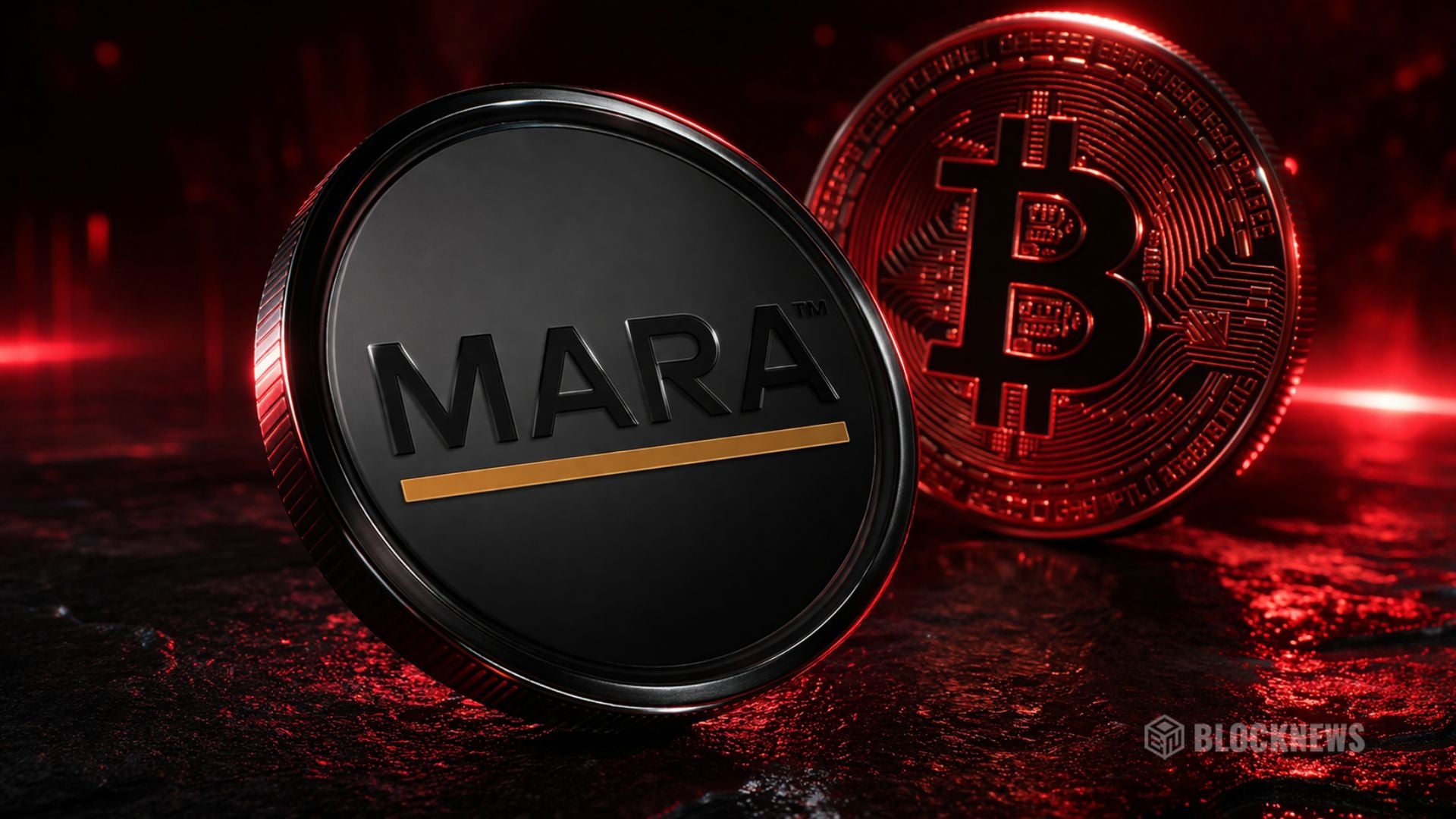
- MARA begins ongoing layoffs as part of a broader restructuring effort following major balance sheet changes
- The company sold over $1.1B in Bitcoin to reduce debt, cutting total obligations by roughly 30%
- MARA is shifting toward AI and high-performance computing, signaling a move beyond traditional mining
MARA Holdings is going through a noticeable shift right now… and it’s not just on paper. The Bitcoin mining firm has started laying off employees across several departments, part of what looks like a broader restructuring effort. The layoffs haven’t come all at once either — they’ve been happening in waves, quietly, with at least two rounds reported midweek.
Details are still a bit unclear. The company hasn’t publicly confirmed how many people were affected, or what percentage of the workforce this touches. But the fact that it’s ongoing — not a one-time cut — suggests something deeper is being reshaped behind the scenes.
Layoffs Follow a Major Bitcoin Sell-Off
What makes the timing interesting is that these layoffs come right after MARA made a huge move with its balance sheet. Between early and late March, the company sold over 15,000 BTC, pulling in roughly $1.1 billion. That’s not a small decision… especially for a mining firm.
The goal was pretty clear though — reduce debt. MARA used the proceeds to buy back portions of its convertible notes due in 2030 and 2031, doing so at a discount. In total, they repurchased over $1 billion in debt for less than its face value, saving around $88 million in the process.
That’s a meaningful cut. It brings their total convertible debt down by about 30%, from roughly $3.3 billion to $2.3 billion. For a company operating in a volatile industry, that kind of balance sheet cleanup can make a big difference.
Debt Drops, But Not Completely
Even after those buybacks, MARA still carries a sizable amount of debt. There’s around $632 million left tied to 2030 notes and about $291 million for 2031. On top of that, other debt layers — including notes due in 2026, 2031, and even 2032 — remain untouched.
So while the company has reduced pressure, it hasn’t eliminated it. This feels more like repositioning rather than a full reset. The structure is lighter, yes, but still complex.
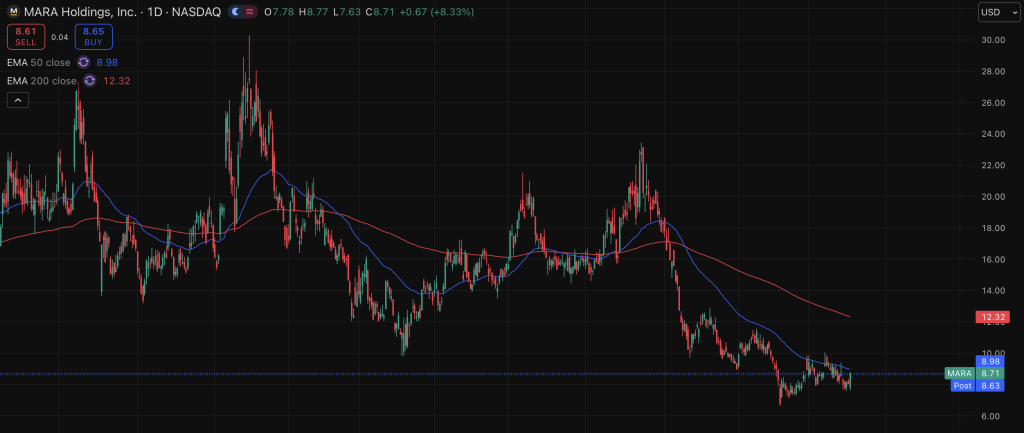
A Shift Beyond Bitcoin Mining
CEO Fred Thiel has framed these moves as part of a bigger strategy, not just short-term survival. The idea is to strengthen financial flexibility while preparing for expansion into new areas — specifically artificial intelligence and high-performance computing.
That’s a notable pivot. MARA isn’t trying to be just a Bitcoin miner anymore. It’s leaning into being a broader infrastructure player, using its expertise in energy systems and data centers to support AI workloads and compute services.
And in that context, selling Bitcoin starts to make more sense. The company has already hinted that BTC sales could become a recurring strategy through 2026, used to fund operations, manage liquidity, and support new initiatives.
Miners Face a Changing Landscape
Zooming out, MARA’s moves aren’t happening in isolation. The mining industry as a whole is under pressure — tighter margins, more competition, and the ongoing need to diversify revenue beyond block rewards.
That’s pushing companies to adapt. Some are scaling operations, others are cutting costs… and a growing number are exploring AI and HPC as alternative revenue streams. It’s not guaranteed to work, but the direction is clear.
A Company in Transition
Put it all together, and MARA looks like a company in transition. Layoffs, debt reduction, Bitcoin sales — none of these moves exist on their own. They’re part of a broader shift toward a leaner, more flexible, and arguably more diversified business model.
It’s not a smooth process, though. There’s friction, uncertainty, and trade-offs along the way. But if the strategy holds, MARA could end up positioned differently than most traditional miners — less dependent on Bitcoin cycles, and more tied to the growing demand for compute and energy infrastructure.
Whether that pays off… well, that’s the part still unfolding.