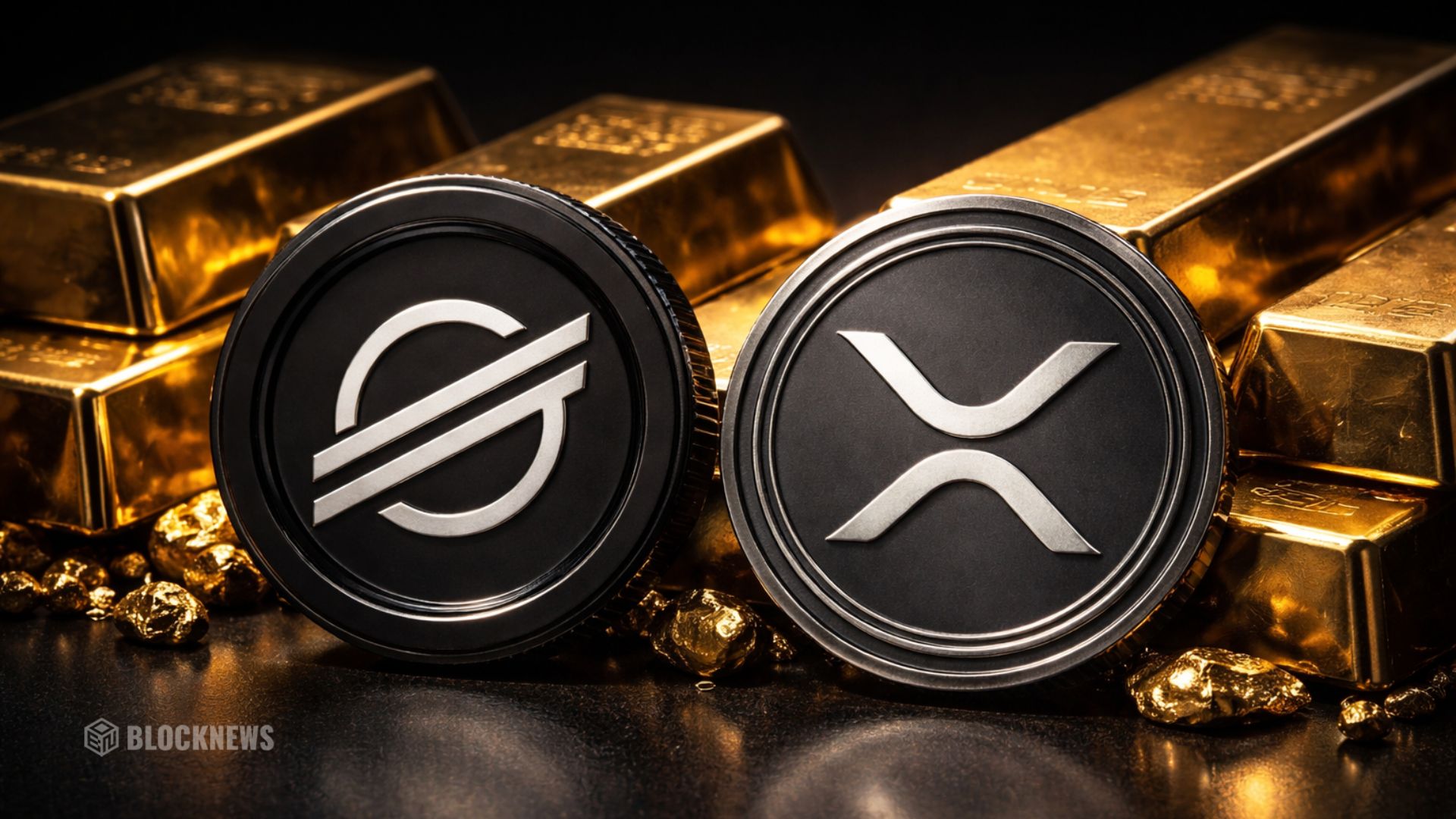
- Veteran investor Versan argues capital is migrating first into scarce hard assets like gold as fiat debasement continues.
- The next phase involves digital liquidity rails such as XRP and XLM to move value efficiently across tokenized systems.
- His layered model suggests gold anchors value while crypto settlement networks transmit it within a new financial architecture.
Veteran investor Versan, founder of Black Swan Capitalist, recently laid out a long-form thesis on X that cuts through the daily noise. His core idea isn’t about short-term trades or hype cycles. It’s about capital migration — how money quietly shifts when the monetary foundation itself starts to erode.
According to Versan, we’re not watching chaos. We’re watching reallocation. Fiat currencies continue to lose purchasing power through persistent debt expansion and balance sheet growth. Governments run structural deficits. Central banks absorb sovereign debt. It’s gradual, almost boring at times. But cumulative. And capital doesn’t disappear when currency weakens. It moves.
What we’re seeing now, he argues, is a layered transformation of the financial system.
Phase One: Capital Anchors in Scarcity
The first step in this migration is defensive. When fiat weakens, investors look for preservation. Historically, that means hard collateral.
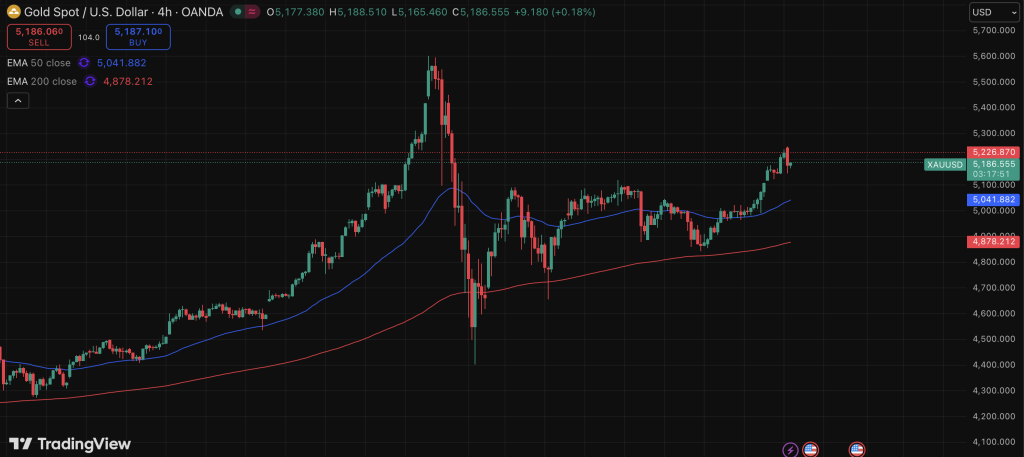
Gold sits at the center of that response.
It carries no counterparty risk. It can’t be printed. It doesn’t rely on digital infrastructure or regulatory permissions. Central banks have been accumulating gold at record levels, reinforcing its role as balance sheet ballast. Basel III reforms strengthened this by recognizing gold as Tier 1 capital, effectively upgrading its standing within the global banking framework.
In Versan’s framing, this is phase one. Protection through scarcity.
But gold, for all its stability, doesn’t move at the speed of a digitized economy. It anchors value. It doesn’t transmit it efficiently across borders, tokenized systems, or programmable finance layers.
That’s where the second phase begins.
Phase Two: Capital Moves Onto Digital Rails
Once capital secures itself in hard assets, the next challenge emerges: mobility. Value must travel.
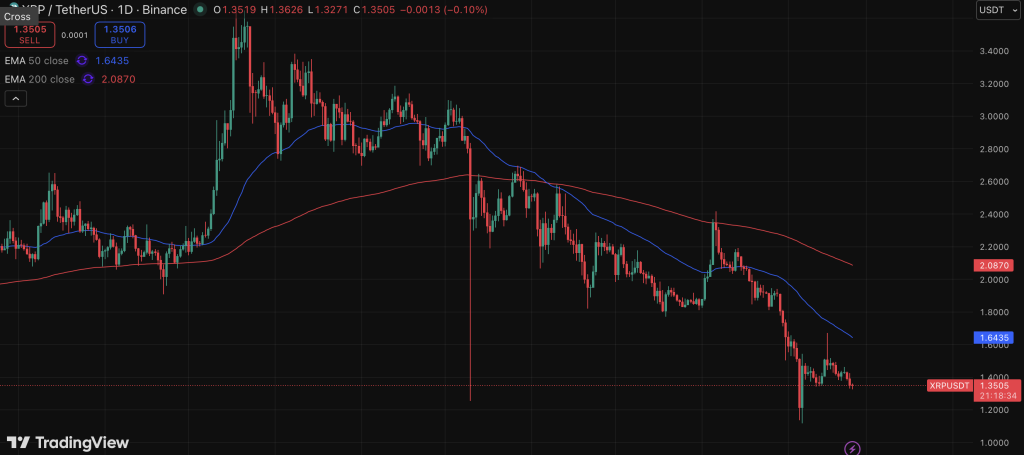
Versan points to XRP and XLM as digital liquidity rails engineered for this role. XRP was built to eliminate the need for pre-funded correspondent banking accounts. Institutions can convert local currency into XRP, settle across the ledger in seconds, then convert back into the destination currency. That reduces trapped capital and improves liquidity efficiency.
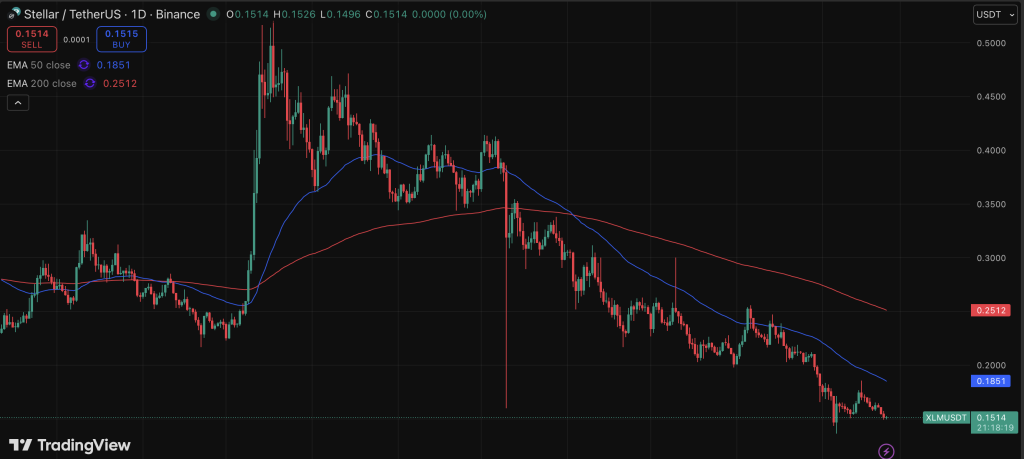
XLM operates under a similar philosophy, particularly in remittance corridors and emerging markets. It focuses on low-cost transfers and smoother bridges between fiat and digital systems. These networks, Versan argues, weren’t designed primarily as speculative playgrounds. They were architected to move value.
In a world expanding into stablecoins, tokenized securities, and even central bank digital currencies, neutral and fast settlement infrastructure becomes foundational. Gold preserves. XRP and XLM transmit.
A Layered Monetary Model
Versan doesn’t frame this as gold versus crypto. He frames it as layers.
Layer one anchors value through hard collateral like gold.
Layer two mobilizes that value via digital bridge assets such as XRP and XLM.
Layer three supports tokenized assets and programmable financial systems built on top of both.
It’s not a sudden overthrow of fiat. Fiat doesn’t vanish overnight. But debt expansion, in his view, is unlikely to reverse. That means monetary debasement continues — slowly, structurally.
As that unfolds, capital behavior shifts in stages. First, it seeks safety. Then, it integrates into systems that allow it to move efficiently within the new architecture.
For long-term allocators focused on structural direction rather than daily volatility, this dual positioning — hard collateral plus digital liquidity infrastructure — isn’t speculation. It’s strategic alignment with where the financial system appears to be heading.
The migration isn’t loud. It’s gradual. But if Versan’s framework holds, the path of capital is becoming harder to ignore.