
- The Fed kept rates unchanged as inflation and job market risks collide
- Policymakers now expect higher inflation driven by oil and geopolitical tensions
- Only one rate cut is projected for 2026, signaling prolonged tight conditions
The Federal Reserve has officially held interest rates steady at 3.5% to 3.75%, a move that was widely expected but still carries deeper implications for markets. The decision reflects a growing dilemma, inflation remains above target while the labor market is starting to weaken, leaving policymakers with limited room to act.
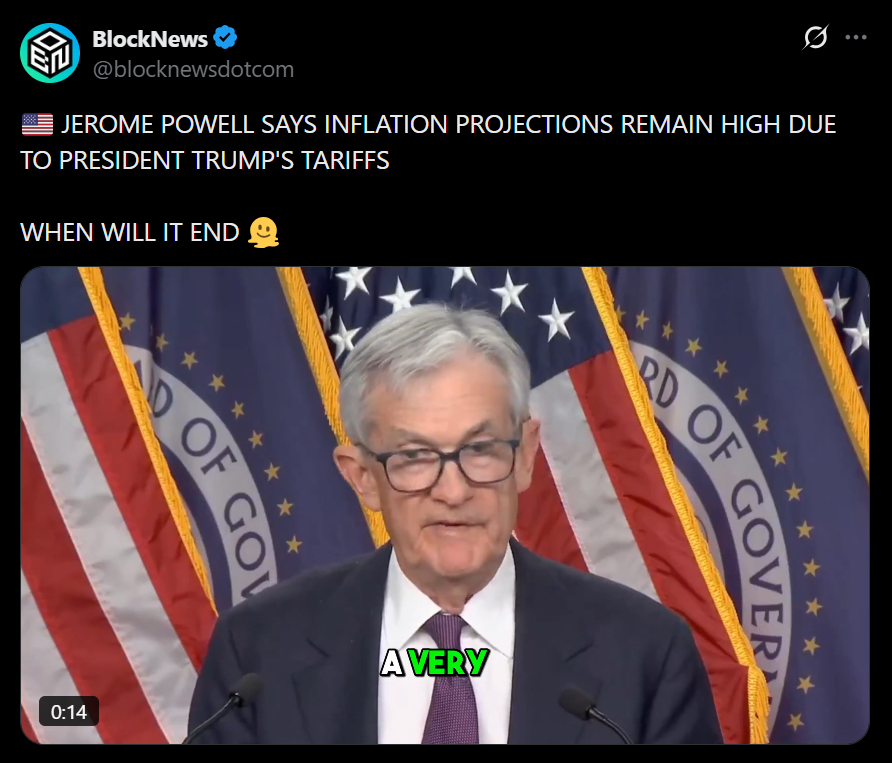
Out of 12 officials, only one voted for a rate cut, highlighting how cautious the central bank remains. Rather than signaling confidence, the decision underscores how uncertain the current economic environment has become.
The Fed Is Caught Between Two Risks
The Fed’s dual mandate, controlling inflation while supporting employment, is now pulling in opposite directions. Inflation is still elevated, with projections for core PCE rising to 2.7% in 2026, higher than previous estimates.
At the same time, hiring has slowed significantly, raising concerns about a potential rise in unemployment. Normally, the Fed would cut rates to support jobs or raise them to fight inflation. Right now, doing either could worsen the other problem.
That tension is keeping policy locked in place.
Oil and Geopolitics Are Driving Inflation Risks
The Iran conflict is adding another layer of pressure. Rising oil prices, now above $100, are feeding into broader costs across the economy, from transportation to consumer goods.
The Fed itself acknowledged that the economic impact of developments in the Middle East remains uncertain. But higher energy prices are already shaping inflation expectations, making it harder to justify rate cuts in the near term.
This creates a backdrop where inflation could stay sticky even as growth slows.
Rate Cuts Are Still Distant
Despite market hopes for easing, the Fed’s projections suggest only one quarter-point rate cut in 2026. That’s unchanged from earlier forecasts, even as inflation expectations have increased.
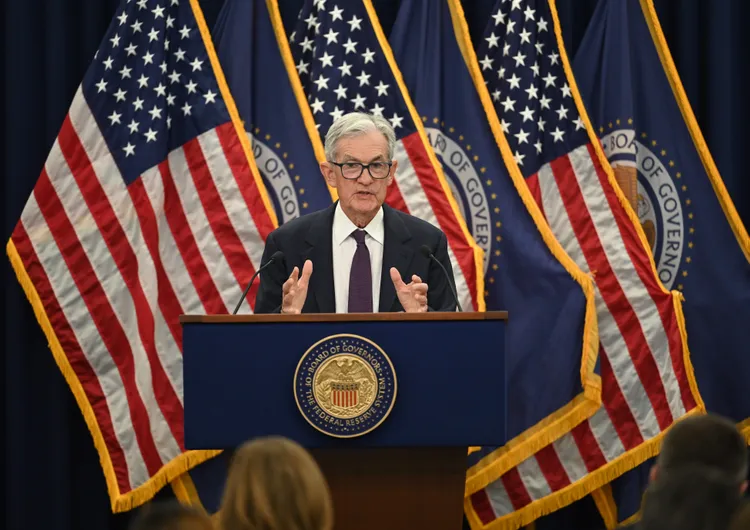
Some policymakers are even considering the possibility of future rate hikes if inflation accelerates further. That kind of outlook challenges the idea that aggressive easing is just around the corner.
For now, the central bank appears committed to waiting rather than acting quickly.
Political Pressure Adds Another Layer
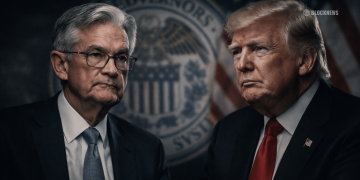
The Fed’s decision is also unfolding under significant political pressure. President Donald Trump has repeatedly called for immediate rate cuts and criticized Chair Jerome Powell’s leadership.
At the same time, legal and institutional tensions are building around the Fed’s independence. With Powell’s term ending soon and a potential leadership transition ahead, uncertainty around future policy direction is increasing.
That political backdrop could influence how markets interpret future decisions.
What This Means for Crypto
For crypto markets, this environment creates mixed signals. On one hand, uncertainty and geopolitical risk can support narratives around Bitcoin as an alternative asset.
On the other hand, prolonged high interest rates tend to reduce liquidity, which can limit upside for risk assets. That tension is likely to keep crypto markets volatile in the near term.
A Policy Standstill With Bigger Implications
The Fed’s latest move isn’t just a pause, it’s a reflection of a constrained position. Inflation remains persistent, growth is softening, and external shocks are complicating the outlook.
Until one of those forces clearly shifts, policy is likely to remain cautious. And for markets, that means continued uncertainty rather than clarity.