

- Elizabeth Warren is criticizing crypto firms using OCC trust charters
- Ripple and BitGo argue regulated custody frameworks help prevent another FTX-style collapse
- The fight exposes deeper tensions over crypto’s role inside traditional finance
Senator Elizabeth Warren’s latest crypto battle is producing one of the stranger alliances Washington has seen in a while. Parts of the traditional banking industry are now finding themselves aligned with Warren in criticizing crypto firms like Ripple and BitGo over their use of OCC trust charters, despite years of Warren aggressively attacking major banks over financial misconduct.
Honestly, if you told crypto traders five years ago that Warren and segments of Wall Street would eventually unite against federally regulated crypto custody firms, most people probably would have assumed you hit your head. Yet here we are.

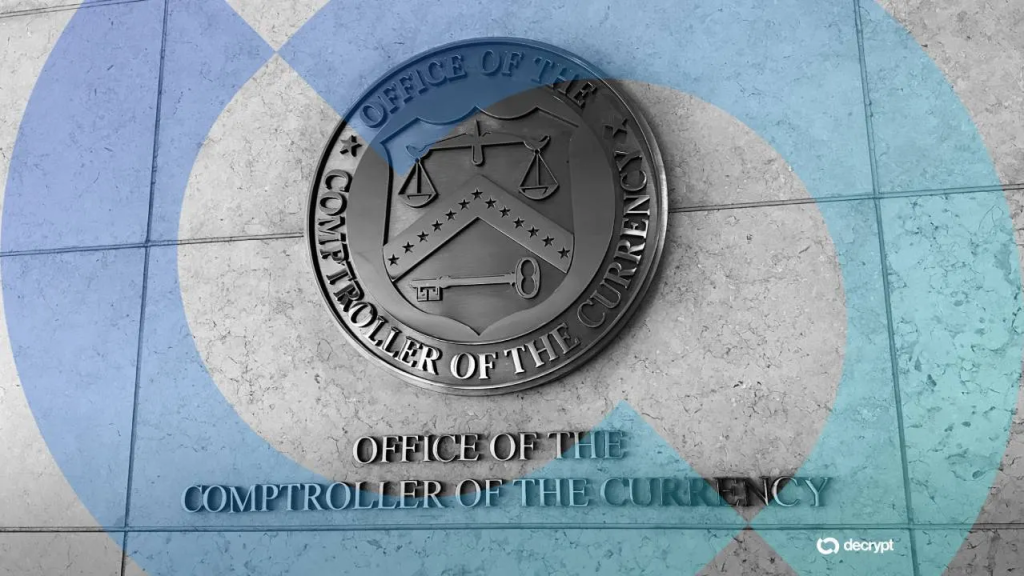
The Fight Centers Around OCC Trust Charters
The controversy revolves around crypto companies obtaining federally regulated trust charters through the Office of the Comptroller of the Currency. Firms like Ripple and BitGo argue these structures provide regulated custody, asset segregation, and institutional safeguards specifically designed to prevent the kind of catastrophic failures the industry experienced during collapses like FTX.
Warren sees it differently. Her position is that these firms are effectively operating like banks while avoiding the full regulatory burdens traditional commercial banks face.
In her view, if a company walks like a bank, holds customer assets like a bank, and provides financial infrastructure like a bank, then it should face equivalent oversight instead of existing inside what critics view as a lighter regulatory framework.
Crypto Firms Think Washington Is Contradicting Itself
Crypto executives, unsurprisingly, are pushing back aggressively. BitGo CEO Mike Belshe argued that regulated trust structures were created precisely because lawmakers and regulators spent years demanding stronger custody protections and compliance standards after repeated industry failures.
And honestly, that frustration is becoming increasingly common across parts of the crypto industry.
For years, politicians criticized crypto companies for lacking oversight, weak custody protections, poor compliance systems, and inadequate segregation of customer assets. Now that some firms are actively pursuing regulated frameworks designed to solve those exact problems, the backlash from Washington is not getting quieter. It’s getting louder.
That contradiction is becoming difficult for the industry to ignore.
The Real Fight Is About Access To The Financial System
Underneath the headlines, this battle is really about something much larger than trust charters themselves. The deeper question is who gets legitimate access to the regulated financial system moving forward.
OCC trust charters allow crypto firms to operate within federally supervised structures without becoming full-scale commercial banks. That creates tension on multiple fronts simultaneously. Traditional financial institutions see new competitive threats emerging. Regulators worry about gray areas between crypto infrastructure and banking activities. Crypto firms view these frameworks as essential survival tools allowing them to operate legally inside the U.S. financial system at all.
Meanwhile, Bitcoin continues producing blocks every ten minutes without caring much about any of it.
Crypto Integration Is Becoming Politically Complicated
The irony running through this entire debate is almost impossible to miss. Washington spent years demanding crypto become more compliant, regulated, transparent, and institutionally integrated. But now that parts of the industry are actively doing exactly that, some of the same political voices pushing for regulation appear uncomfortable with the results.
That’s partly because integration changes the conversation entirely. Once crypto firms start operating inside federally recognized frameworks, they stop looking like fringe internet experiments and start looking more like legitimate financial competitors.
And that makes the political stakes significantly higher.
The Industry Is Entering A New Phase
What this fight ultimately signals is that crypto’s next chapter may revolve less around whether the industry survives and more around how deeply it integrates into existing financial systems.
The early battles focused on legality and legitimacy. The new battles increasingly focus on market structure, regulatory authority, institutional access, and financial competition.
Crypto companies are no longer just fighting for permission to exist. They are now competing for positions inside the regulated financial architecture itself. And that transition is creating pressure from nearly every direction at once.
For now, Warren’s criticism reflects a broader tension Washington still hasn’t fully resolved. Regulators want the safeguards and oversight of traditional finance applied to crypto, but some remain deeply uncomfortable once crypto firms start operating successfully inside those same frameworks.