

- Bitcoin has been declared dead 471 times, yet continues to recover and grow
- Structural demand from institutions and long-term holders makes $0 unlikely
- While not going to zero, Bitcoin remains volatile and requires cautious investing
Bitcoin has been declared dead more times than most assets have even existed, and somehow, it just keeps coming back. Since 2010, there have been at least 471 public “obituaries” for BTC, according to BitcoinDeaths, each one written with full confidence that this time was different. And yet, here we are. Still trading, still debated, still very much alive.
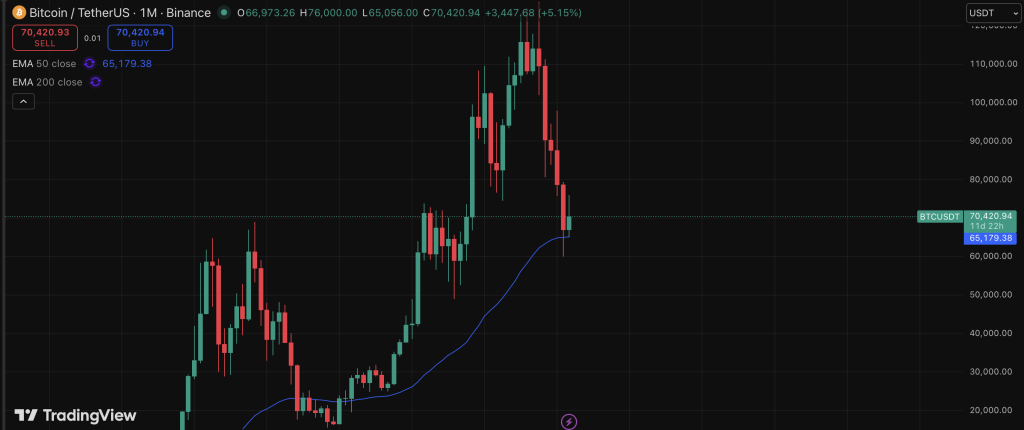
After the sharp drop that followed the October 10, 2025 flash crash, fear has crept back into the conversation. Search trends for phrases like “Bitcoin going to zero” have spiked again, almost like clockwork. It’s a familiar cycle, panic rises, headlines follow, and the same question resurfaces… is this finally the end?
Why Bitcoin Going to Zero Is Almost Impossible
For Bitcoin to actually hit $0.00, the scenario would need to be extreme, almost unrealistic. Every major holder, from institutions to governments to large funds, would have to sell at the same time. And more importantly, not a single buyer could step in at any price. Not even at fractions of a cent.
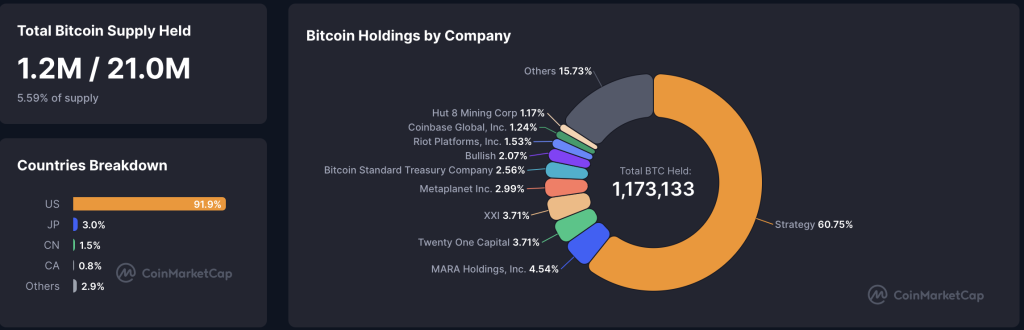
That’s where the argument starts to fall apart. There are large, well-capitalized players who accumulate Bitcoin regardless of market conditions. Strategy, formerly MicroStrategy, is a clear example, holding over 761,000 BTC and continuing to buy whether prices are rising or falling. That kind of behavior creates a sort of baseline demand, even when sentiment turns negative.
On top of that, a chunk of Bitcoin’s supply, around 20%, is permanently lost. Those coins are gone, inaccessible, meaning they can’t be sold even in a worst-case scenario. So the actual circulating supply is smaller than it looks, which quietly strengthens the floor beneath it.
A History of Crashes… and Recoveries
Bitcoin has been through brutal downturns before, the kind that would’ve ended most assets for good. Multiple times, it has dropped more than 80%, only to stabilize, rebuild, and eventually climb to new highs. It’s not smooth, far from it, but there’s a pattern there.
Take March 2020, for instance. Global panic hit markets hard, and Bitcoin lost about half its value in just a week. It looked bad, really bad. But within months, it recovered, and then some. That kind of resilience doesn’t guarantee future performance, sure, but it does show how the market tends to react after extreme stress.
The “Buyers of Last Resort” Factor
Then there’s a slightly unusual, almost ironic layer to all of this. Some of Bitcoin’s earliest supporters, people who’ve been around since the beginning, have placed standing buy orders at extremely low prices, think $0.01 or $0.02 per coin. On the surface, it sounds like a joke… and maybe it partly is.
But the implication matters. These are individuals with deep conviction and, in many cases, significant capital. If prices were ever to collapse that far, they’d step in and buy aggressively. The lower it goes, the more attractive it becomes to them, which creates a kind of backstop, even if it’s informal.
Not Zero… But Not Risk-Free Either
So no, Bitcoin going to zero isn’t a realistic outcome under current conditions. There are too many structural supports, too many buyers waiting, and too much history suggesting otherwise. But that doesn’t mean it’s immune to sharp declines, far from it.
Prices can still drop significantly, and volatility is part of the deal with crypto. That’s why, even with all the confidence around Bitcoin’s long-term survival, diversification still matters. Markets don’t move in straight lines, and Bitcoin, well… it’s never been the exception.