
- Bitcoin finished 2025 with its first-ever negative post-halving return
- Institutional dominance and macro conditions muted halving effects
- The four-year cycle appears to be evolving into a longer, lower-volatility pattern
Bitcoin closed 2025 with a distinction it has never carried before. For the first time since halvings became a defining feature of its market structure, BTC finished a post-halving year with a negative annual return. The result has forced investors to rethink long-held assumptions about how Bitcoin moves, and whether the famous four-year cycle still works the way it used to.

Why the 2025 Halving Didn’t Deliver the Usual Boost
Historically, Bitcoin’s halving events have reduced new supply and triggered strong multi-year rallies. In 2025, that script failed to play out. One major reason is the growing dominance of institutional capital. Large funds, ETFs, and corporate holders tend to accumulate gradually and hedge aggressively, smoothing out price swings that once defined post-halving runs.
Macroeconomic pressure also mattered. Tight liquidity, cautious central banks, and persistent risk aversion muted speculative demand across crypto markets. Instead of a supply shock driving price higher, Bitcoin found itself trading more like a macro asset than a scarcity-driven outlier.
Is the Four-Year Cycle Broken or Just Growing Up?
The weak post-halving performance doesn’t necessarily mean the four-year cycle is dead. A growing number of analysts argue it’s evolving. As Bitcoin matures, price action may stretch over longer timeframes, with gains arriving more slowly and volatility continuing to compress.
In this framework, halvings still matter, but they no longer act as immediate catalysts. Instead, they influence long-term supply dynamics that unfold alongside institutional adoption, regulation, and global liquidity conditions.
What This Shift Means Going Forward
If Bitcoin is transitioning into a longer, steadier growth phase, future cycles may look less dramatic but more durable. Sharp boom-and-bust phases could give way to extended accumulation periods and slower advances. For investors, that means patience may matter more than timing around halving dates.
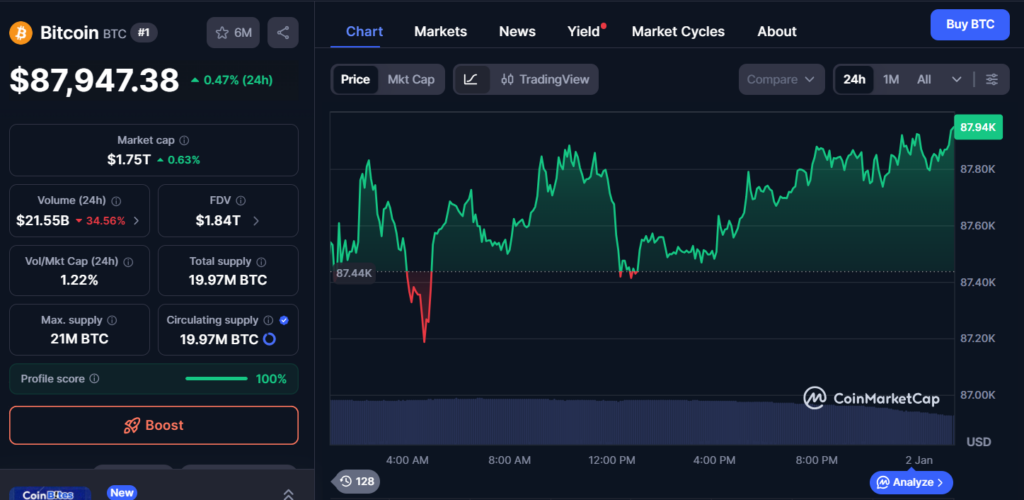
Rather than signaling weakness, 2025 may mark the point where Bitcoin fully stepped into a new market regime, one shaped as much by macro forces as by code-driven scarcity.