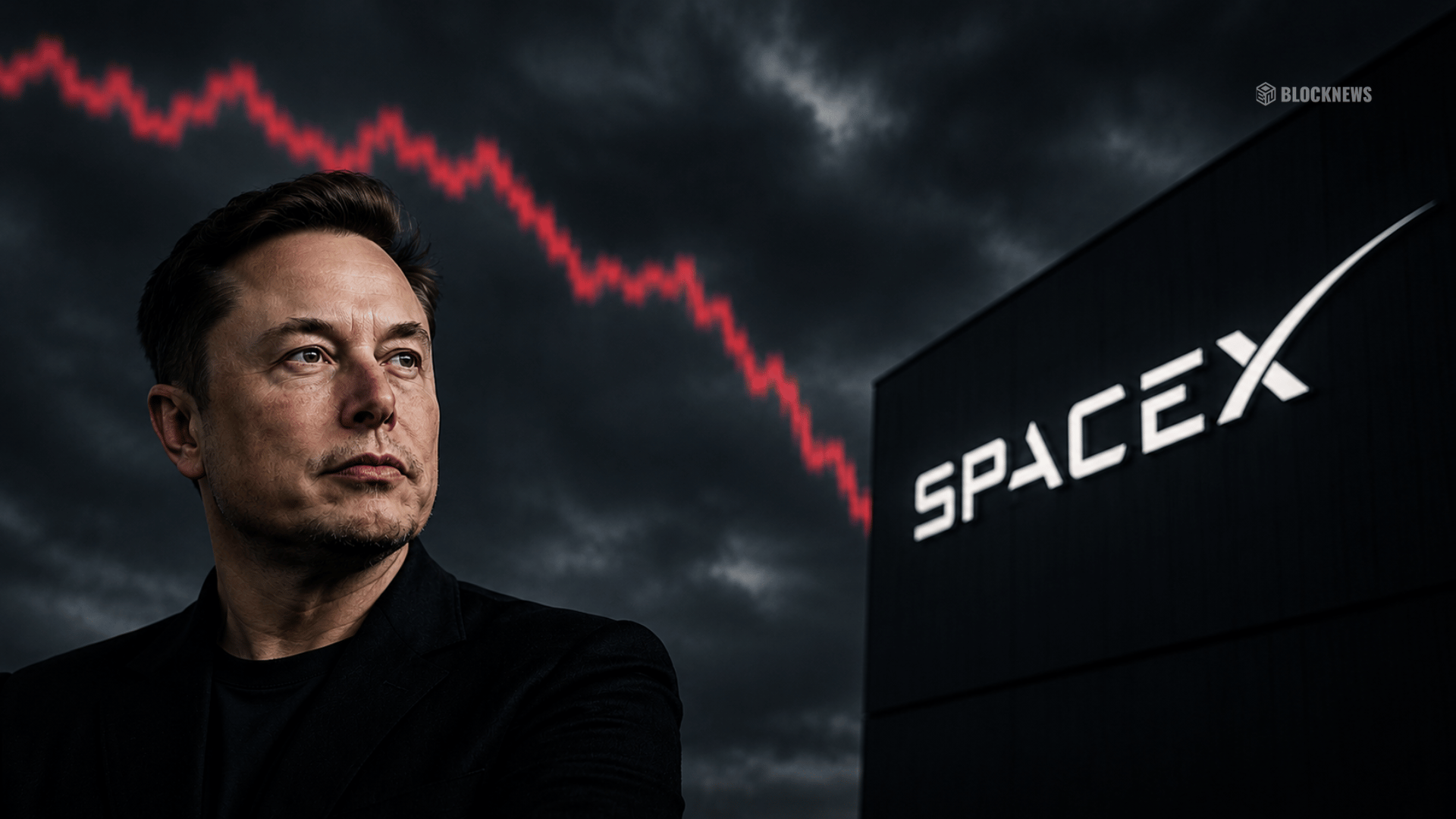
- SpaceX shares have fallen for a fourth consecutive session, dropping below their $135 IPO price for the first time.
- The stock is now down roughly 34% from its post-IPO peak as early excitement continues to cool.
- Investors are closely watching Thursday’s Starship test flight and the broader IPO market for the company’s next potential catalyst.
SpaceX shares extended their recent decline on Wednesday, falling for a fourth straight trading session and slipping below their $135 initial public offering price for the first time since the company’s blockbuster market debut.
The pullback marks a sharp reversal from the strong enthusiasm that followed last month’s record-breaking IPO, which raised approximately $86 billion and briefly pushed founder Elon Musk‘s net worth above the trillion-dollar mark.

After soaring to more than $225 per share during its first month of trading, the stock has steadily retraced those gains as investors lock in profits and excitement surrounding the listing begins to fade.
IPO Momentum Begins to Cool
SpaceX was one of the most anticipated public offerings in recent history, attracting significant attention from both retail and institutional investors.
The company initially surged nearly 20% on its first full day of trading, but momentum has weakened in recent weeks as valuations came under greater scrutiny.
Despite the recent decline, SpaceX remains one of the largest aerospace and space technology companies in the public market, with investors continuing to evaluate its long-term growth prospects.
Starship Test Flight Becomes the Next Catalyst
Attention is now turning to Thursday’s 13th Starship test flight, which could become the company’s next major catalyst.
Successful launches have historically boosted investor confidence by demonstrating continued progress toward SpaceX‘s long-term ambitions in reusable rocket technology, satellite deployment, and future deep-space missions.
Conversely, any setbacks during the mission could increase short-term volatility as investors reassess expectations following the stock’s rapid post-IPO rally.
Nasdaq Inclusion Expands Investor Base
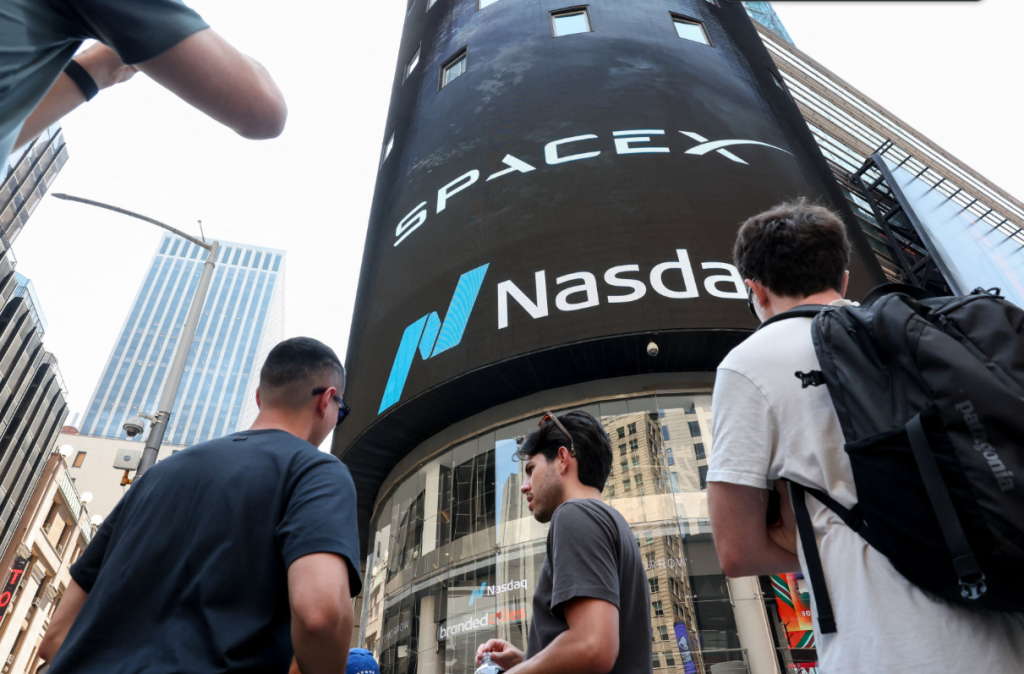
Last week, SpaceX officially joined the Nasdaq-100 Index, allowing index-tracking funds and passive investment products to begin purchasing the stock.
The inclusion was made possible after Nasdaq introduced a rule allowing newly public companies to become eligible after just 15 trading days, significantly shortening the previous waiting period.
While index inclusion typically provides additional long-term demand, it has not been enough to offset recent selling pressure as early investors continue taking profits.
IPO Market Remains Active
Despite SpaceX’s recent weakness, attention remains focused on the broader IPO market.
Artificial intelligence leaders Anthropic and OpenAI have both confidentially filed paperwork with the U.S. Securities and Exchange Commission, fueling expectations that additional high-profile technology offerings could arrive in the coming months.
For now, investors will be watching whether SpaceX can stabilize after its post-IPO decline or if the recent weakness signals a longer period of consolidation following one of the largest public offerings in market history.