- Solana is emerging as a leading blockchain for AI-powered payments and real-world asset tokenization.
- Its fast, low-cost network has attracted growing institutional interest despite challenges earlier in its history.
- While risks remain, many investors believe Solana could play a major role in the next generation of digital finance.
Twenty years is an eternity in crypto.
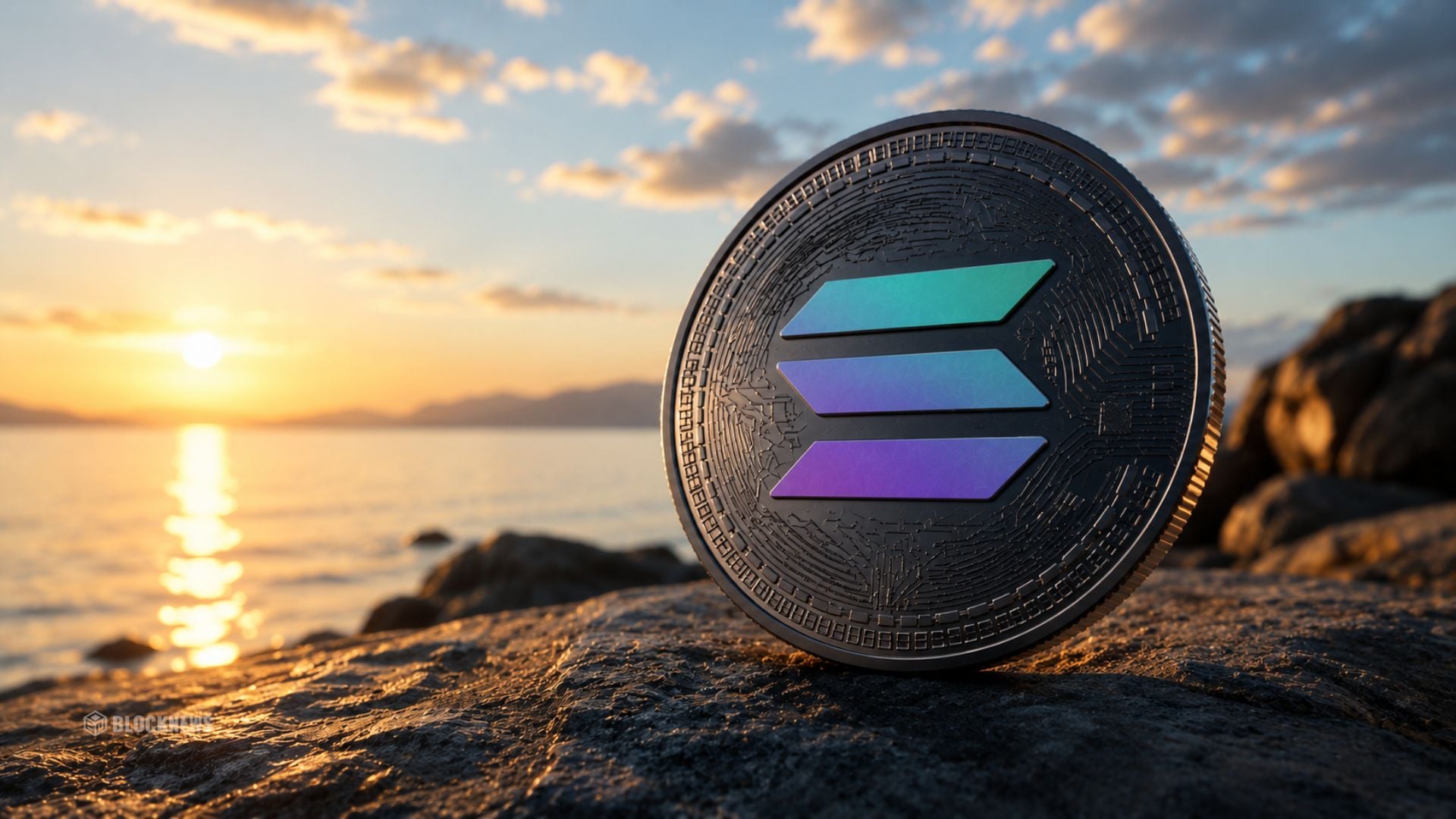
Back in 2006, Bitcoin didn’t even exist. Fast forward to today, and Solana has become one of the largest blockchain networks in the world despite launching only six years ago. It’s now attracting developers, institutions, and investors looking beyond simple cryptocurrency transactions.
Predicting where Solana could be by 2046 is obviously impossible. Still, two powerful trends stand out today that may shape its future more than anything else: artificial intelligence and real-world asset tokenization.
If both continue growing over the next two decades, Solana could find itself sitting at the center of an entirely new financial ecosystem.
AI Could Create Millions of Blockchain Transactions
Artificial intelligence is evolving rapidly, and the next wave may involve autonomous AI agents capable of making decisions and completing financial transactions on their own.
Instead of simply answering questions, these AI systems could eventually research products, compare prices, purchase goods, pay subscriptions, or even manage investment portfolios based on predefined rules.
That’s where blockchain technology enters the conversation.
Unlike traditional banking systems, blockchains operate around the clock, are highly programmable, and don’t rely on conventional account-opening procedures. Those features make them particularly attractive for AI-driven transactions.
Solana, with its high transaction throughput and extremely low fees, is widely viewed as one of the better-positioned networks to support millions of small automated payments if that vision becomes reality.
The technology isn’t fully there yet. AI agents aren’t shopping independently for most consumers today. But early development is already happening, and many in the crypto industry believe blockchain will eventually become the financial layer powering these autonomous systems.
Tokenization Could Transform Traditional Finance
Another area drawing increasing attention is real-world asset tokenization.
The concept is straightforward: convert ownership of traditional assets like stocks, real estate, bonds, or other financial products into digital tokens that can be traded on blockchain networks.
Doing so could make settlements faster, lower trading costs, and allow markets to operate far more efficiently than today’s infrastructure.
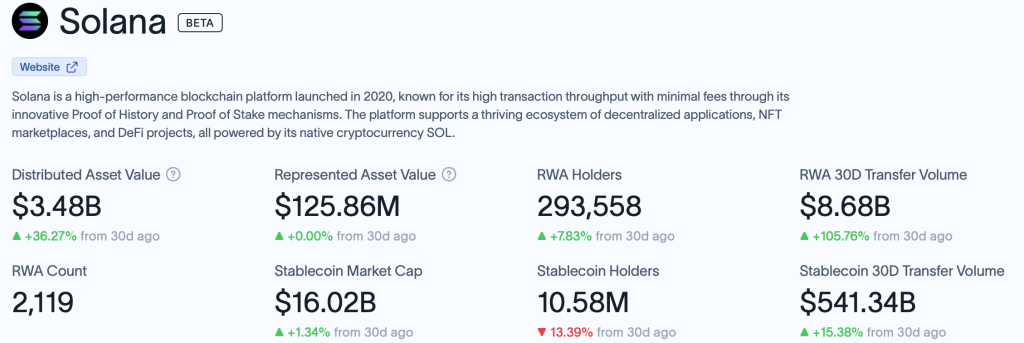
Solana has quietly become one of the leading blockchains in this space.
The network already ranks among the largest ecosystems for tokenized assets, while tokenized stock trading has expanded rapidly over the past year. At the same time, major financial institutions and exchanges have begun exploring blockchain-based trading systems, adding further credibility to the sector.
If tokenization eventually becomes a standard part of global finance, networks capable of handling massive transaction volumes could benefit significantly.
Solana’s Biggest Strength Remains Speed
One reason Solana continues attracting attention is simple, performance.
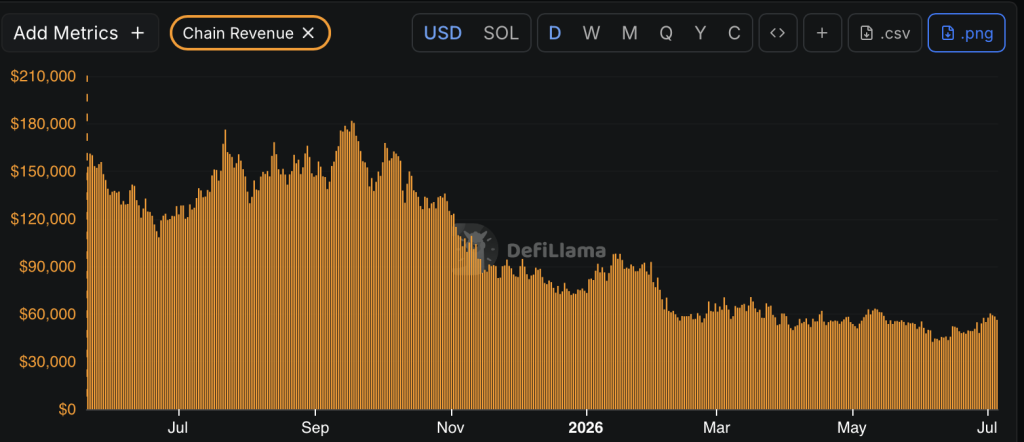
The blockchain processes transactions far faster than many competing networks while keeping transaction costs extremely low, often only fractions of a cent.
That combination has made it appealing for developers building decentralized applications, payment systems, gaming projects, and financial products.
The network also appears far more stable than it was during its earlier years.
Solana experienced several high-profile outages after launch, raising concerns about reliability. Since then, developers have focused heavily on improving network resilience, and stability has improved considerably, helping restore confidence among users and institutions alike.
That doesn’t eliminate every concern, but it does show the network has continued evolving rather than standing still.
Risks Still Can’t Be Ignored
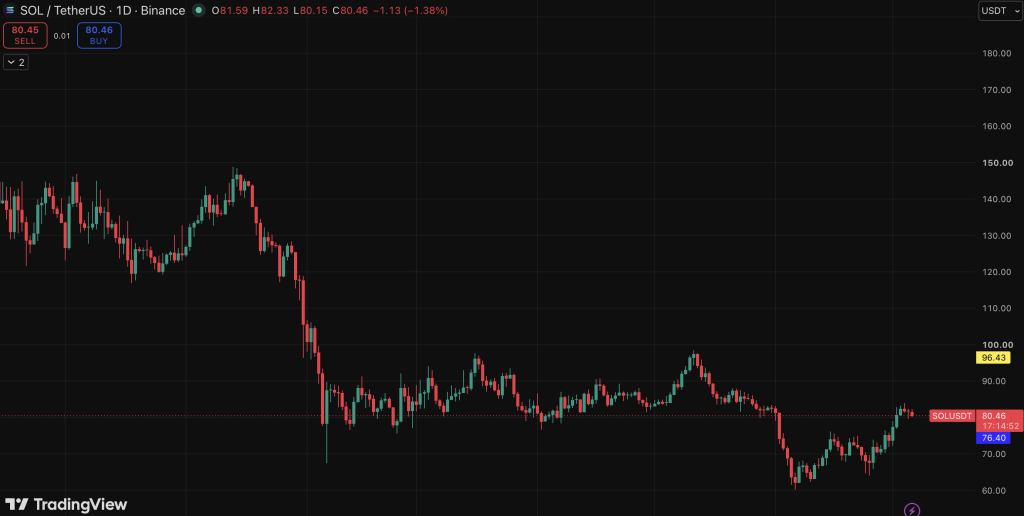
Of course, no investment thesis remains guaranteed over a twenty-year timeline.
Blockchain technology is moving quickly, and the competitive landscape could look completely different within a few years, let alone two decades.
A major network outage, large-scale security breach, or significant regulatory crackdown could slow Solana’s adoption. Likewise, tokenization may encounter legal or technical hurdles before reaching widespread use.
Emerging technologies could also reshape the market in unexpected ways. Advances in quantum computing or entirely new payment systems may eventually challenge today’s blockchain infrastructure.
Those risks remain very real.
Solana Could Benefit if Crypto’s Next Chapter Plays Out
Despite the uncertainty, Solana continues positioning itself around some of crypto’s fastest-growing sectors.
Its combination of speed, low fees, growing institutional adoption, expanding tokenization ecosystem, and increasing interest from AI developers gives it exposure to several long-term themes at once.
Whether AI agents become mainstream, tokenized assets reshape global finance, or blockchain evolves into core financial infrastructure, Solana appears determined to compete for a meaningful role.
If those trends unfold over the coming decades, today’s blockchain could look very different by 2046—and Solana may end up being one of the networks that helped build that future.