

- Bitcoin’s long-term track record continues to separate it from newer and more speculative cryptocurrencies.
- Regulatory developments, geopolitical uncertainty, and Strategic Bitcoin Reserve discussions are viewed as potential catalysts.
- While new crypto projects may outperform temporarily, Bitcoin remains the asset many investors trust for long-term exposure.
As summer 2026 approaches, crypto investors are once again facing a familiar dilemma. Do you chase the latest high-flying token that’s generating headlines and triple-digit gains, or do you stick with an established asset that has survived multiple market cycles? The temptation to hunt for the next breakout project is always there, especially when newer cryptocurrencies are posting eye-popping returns. But for long-term investors, the answer may be far simpler than it seems.
Bitcoin continues to stand apart from the rest of the market. While newer projects come and go, often rising rapidly before fading into irrelevance, Bitcoin has consistently demonstrated an ability to recover from major downturns and establish new highs over time. It may not always be the flashiest asset in crypto, but its track record remains difficult to ignore.
Bitcoin’s History Still Sets the Standard
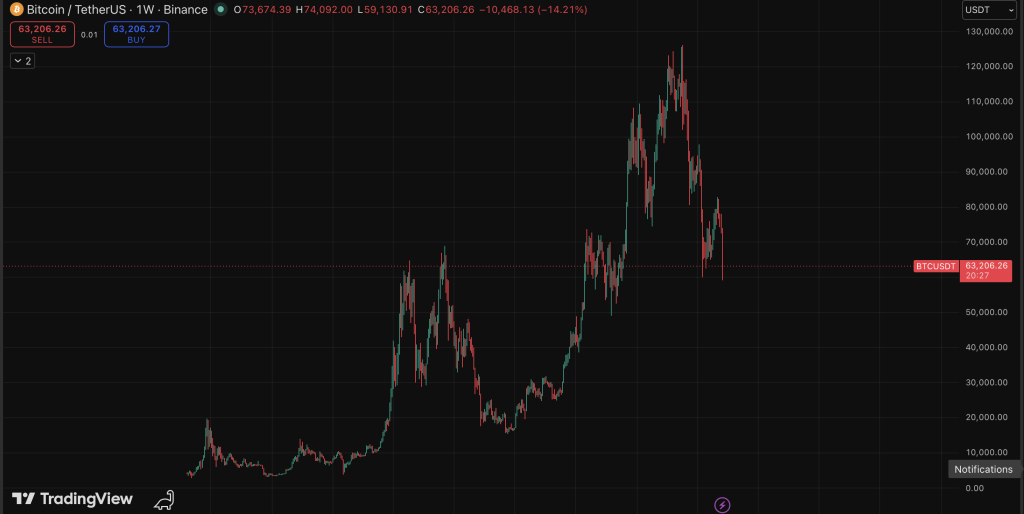
Few assets in any market can match Bitcoin’s performance history. Over the past decade, it has delivered annual gains of 80% or more in six separate years. Even more notable, Bitcoin has never recorded back-to-back losing years despite enduring multiple crashes, regulatory scares, and market-wide collapses.
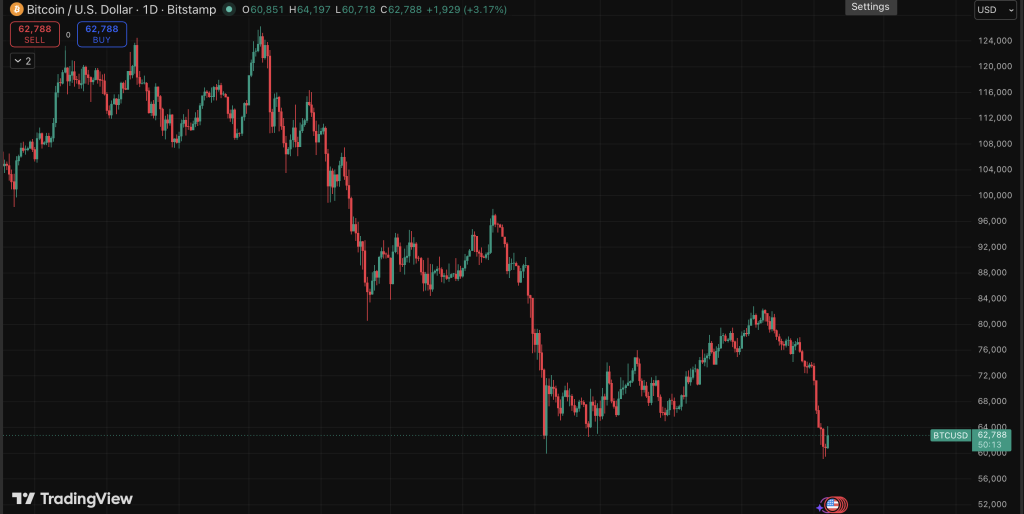
That history is one reason many investors remain optimistic despite recent weakness. Bitcoin currently sits well below the highs reached in 2025, leaving some analysts convinced that another major recovery cycle could be developing. Crypto markets tend to move in dramatic waves, and Bitcoin has repeatedly shown an ability to rebound when sentiment appears at its worst.
Of course, history doesn’t guarantee future returns. Markets evolve, and every cycle has unique characteristics. Still, Bitcoin’s resilience over the years continues to reinforce its position as the benchmark asset of the digital economy.
Several Catalysts Could Support Bitcoin’s Next Move
Beyond historical performance, there are several developments that supporters believe could fuel Bitcoin’s next major advance.
One of the most discussed is growing momentum around crypto legislation in the United States. Efforts such as the Digital Asset Market Clarity Act have renewed hopes that regulators may finally provide clearer rules for the industry. Regulatory certainty has long been viewed as one of the biggest missing pieces preventing broader institutional participation.
Meanwhile, geopolitical uncertainty has also revived one of Bitcoin’s oldest narratives. As tensions rise in different parts of the world, some investors have begun revisiting the idea of Bitcoin as “digital gold.” During periods of instability, scarce assets often attract increased attention, and Bitcoin’s fixed supply continues to be one of its strongest selling points.
There is also growing discussion around the Strategic Bitcoin Reserve. If lawmakers eventually codify the initiative into law and the U.S. government moves beyond simply holding confiscated Bitcoin toward actively acquiring additional reserves, the implications could be significant. Some market observers believe such a move could encourage other nations to follow suit, creating competition for an asset with a permanently limited supply.
Lessons From the Last Crypto Winter
The current market environment has drawn comparisons to 2022, one of the most difficult years in crypto history. Back then, Bitcoin lost more than 60% of its value and spent much of the year trading near levels that many investors considered unthinkable.
Yet what followed became one of the strongest recoveries in the asset’s history. Bitcoin eventually climbed from below $17,000 to six-figure territory within the next cycle, rewarding investors who remained patient while others abandoned the market.
That period also serves as a reminder of how quickly crypto’s hottest projects can fade. In 2022, decentralized exchange GMX was one of the market’s biggest winners, posting extraordinary gains while much of the industry struggled. Fast forward a few years, and the project no longer commands the same attention it once did.
Today’s equivalent may be Hyperliquid, which has generated impressive returns and become one of the strongest performers of 2026. But history suggests that predicting which rising star will remain dominant five years from now is far from easy.
Why Simplicity Often Wins
This uncertainty is precisely why many investors continue choosing Bitcoin over more speculative alternatives. The asset doesn’t need to become the next big thing because it already is. It has the largest market capitalization in crypto, the strongest brand recognition, the deepest liquidity, and perhaps most importantly, the longest track record of surviving adversity.
That doesn’t mean other cryptocurrencies won’t outperform Bitcoin over shorter periods. Some almost certainly will. The challenge is identifying those winners before the market does and then knowing when to exit before momentum fades.
Bitcoin removes much of that guesswork. It remains the asset most institutions buy first, the one governments are increasingly discussing, and the one most people think of when they hear the word “crypto.”
Looking Ahead to 2027
As the crypto market enters another uncertain phase, investors are once again being forced to separate excitement from durability. New tokens will continue launching. Narratives will change. Fresh trends will emerge, and many will disappear just as quickly.
Bitcoin, however, has repeatedly proven that it can survive those shifts and remain at the center of the conversation.
For investors focused on the long game rather than the next headline, that may be reason enough to keep Bitcoin at the top of the list heading into 2027.