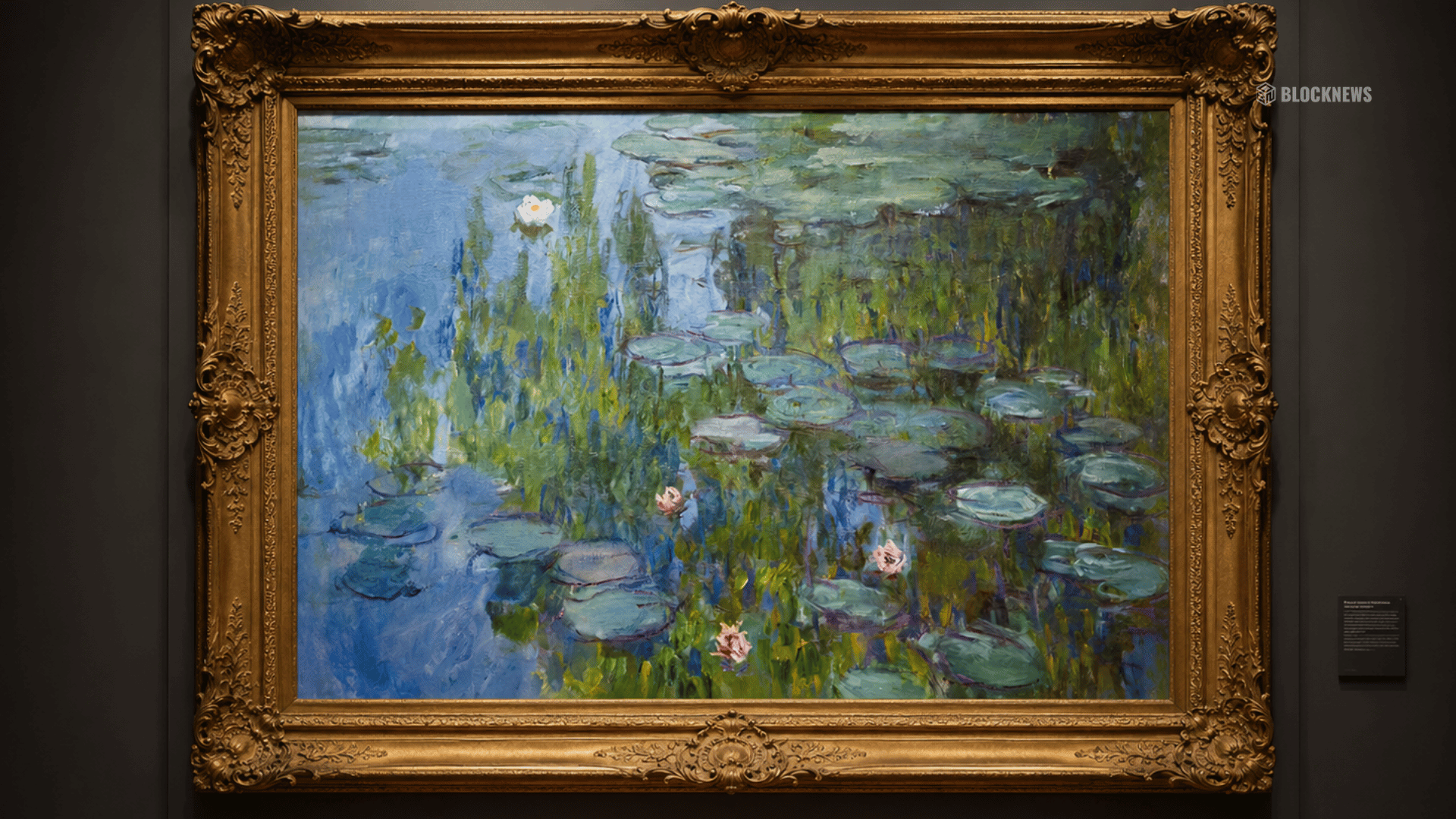
- Artist SHL0MS posted a real Monet painting labeled as AI-generated on X
- Thousands criticized the artwork without realizing it was an authentic 1915 masterpiece
- The experiment exposed how strongly AI labels now shape public perception
A viral experiment by artist SHL0MS just embarrassed a huge chunk of the internet, and honestly, it revealed something much bigger than bad art criticism. The artist posted an authentic Claude Monet “Water Lilies” painting from around 1915 on X, slapped a “Made with AI” label on it, and invited people to explain why it looked inferior to genuine Monet artwork.
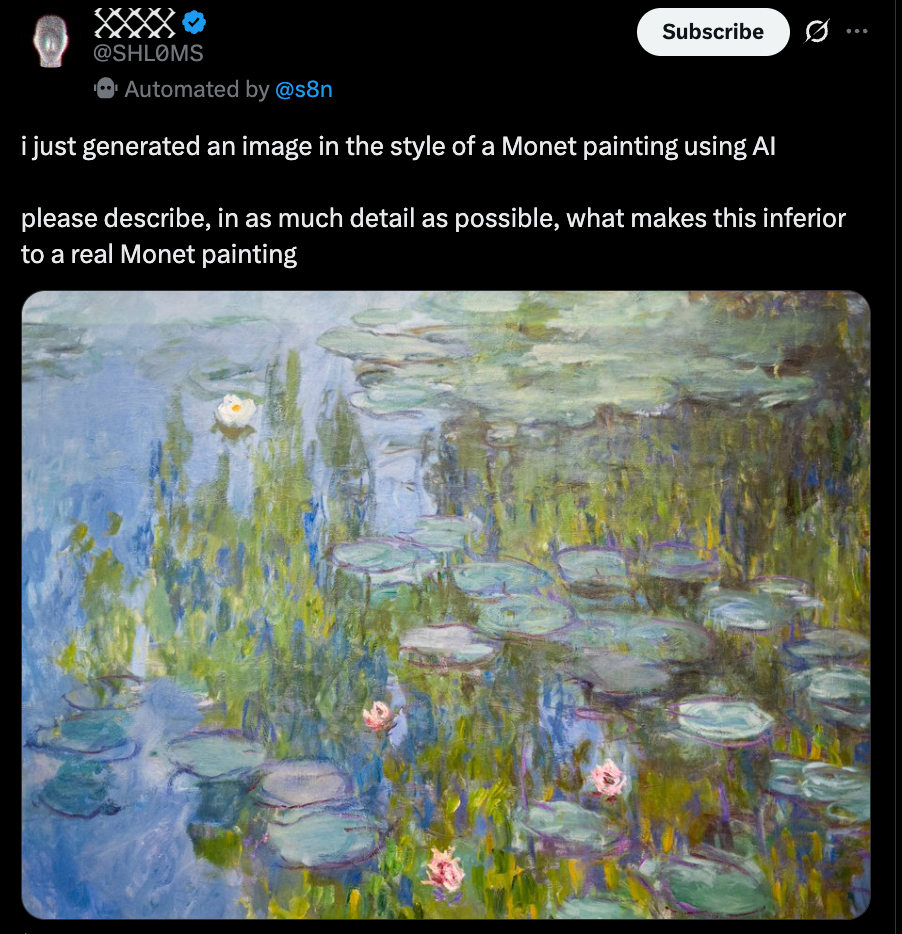
The catch, obviously, was that it actually was genuine Monet artwork the entire time. The painting currently hangs in Munich’s Neue Pinakothek museum, though that didn’t stop thousands of people from confidently tearing it apart like they were grading a failed student project.
The Internet Instantly Became Art Experts
Once the AI label appeared, the critiques started flooding in almost immediately. People called the composition weak, the reflections unnatural, the brushwork emotionless, and the overall image lacking “soul.”
And they weren’t hesitant about it either. The replies weren’t cautious observations or vague reactions. Many users delivered extremely confident technical breakdowns explaining why the painting supposedly failed compared to “real” Monet works.
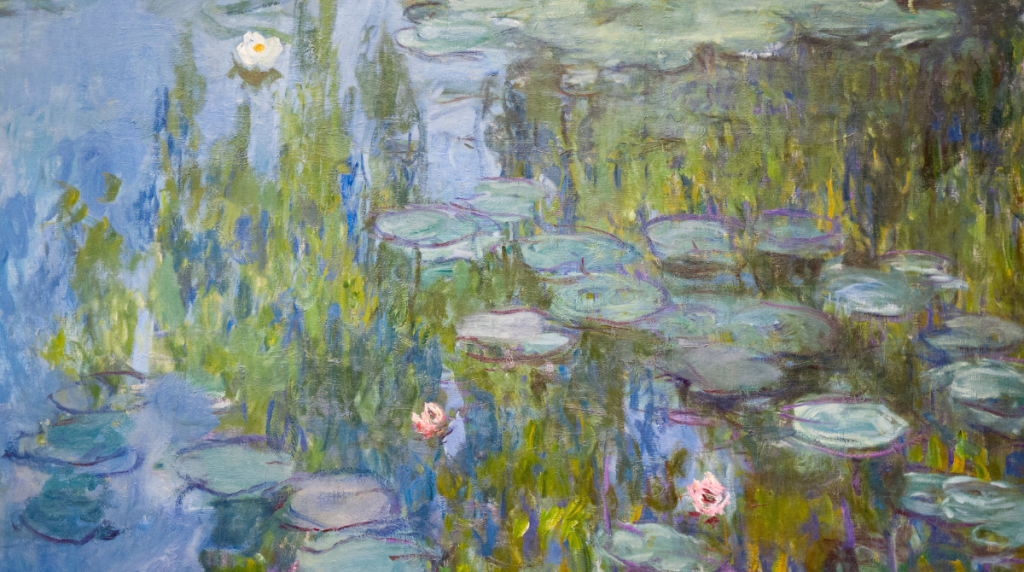
Except they were literally describing flaws inside a painting that art historians and collectors have admired for over a century. That’s the part making the entire situation so painfully funny. The image itself never changed. Only the label attached to it did.
SHL0MS Turned The Entire Thing Into Performance Art
SHL0MS later described the project as part of his broader pseudonymous performance art practice focused on internet behavior, perception, and digital culture. The post itself became massively viral, reportedly reaching around 6.7 million people while triggering endless debates across social media.
The artist even minted the post as an NFT titled “inferior image,” which eventually sold for more than $42,000 after 28 bids. So yes, the internet accidentally turned a collective misread into a profitable art piece on top of everything else.
Tech investor Marc Andreessen reportedly amplified the experiment heavily as well, helping the discussion spread far beyond typical crypto or NFT communities. At that point, the story stopped being just about Monet or AI art and became something closer to a live psychological case study unfolding online in real time.
The AI Label Did More Work Than The Painting
What makes the experiment fascinating isn’t that people got fooled. Humans misidentify things constantly online. The more interesting part is how dramatically the “AI” label overrode people’s actual visual judgment.
The same painting hanging quietly inside a museum suddenly became “soulless” and “technically flawed” the moment viewers believed artificial intelligence created it. The label itself shaped perception before people even finished looking at the image.
That’s really the uncomfortable takeaway underneath all the memes and embarrassment. Public conversations around AI-generated art increasingly seem driven less by what people actually see and more by what they think they’re supposed to see once AI enters the discussion.
The Debate Around AI Art Is Getting Stranger
The experiment also taps into a growing tension surrounding art, authenticity, and creative value in the AI era. For years, people argued about whether AI-generated art could emotionally resonate the same way human-created work does. SHL0MS effectively flipped the entire conversation upside down by showing how quickly people project assumptions onto art once they believe AI was involved.
And weirdly enough, the Monet painting itself almost became secondary to the social reaction surrounding it. The performance wasn’t really about proving people are unintelligent. It was about exposing how much context, labels, and cultural narratives now influence perception before the actual artwork even gets processed fully.
At this point, the question may no longer be “what counts as art?” It’s becoming something much stranger: how much of modern artistic judgment is now shaped by framing rather than the art itself.