
- Missouri sued CoinFlip for allegedly enabling fraud through crypto ATM kiosks
- The state claims scams involving crypto ATMs increasingly target seniors and veterans
- Regulators across the U.S. are now tightening restrictions on crypto ATM operators
Missouri just escalated the growing crackdown on crypto ATM operators, and the language coming from state officials was anything but subtle. Attorney General Catherine Hanaway filed a lawsuit against CoinFlip on May 20, accusing the company of knowingly enabling fraudulent activity through its network of crypto kiosks spread across the state.
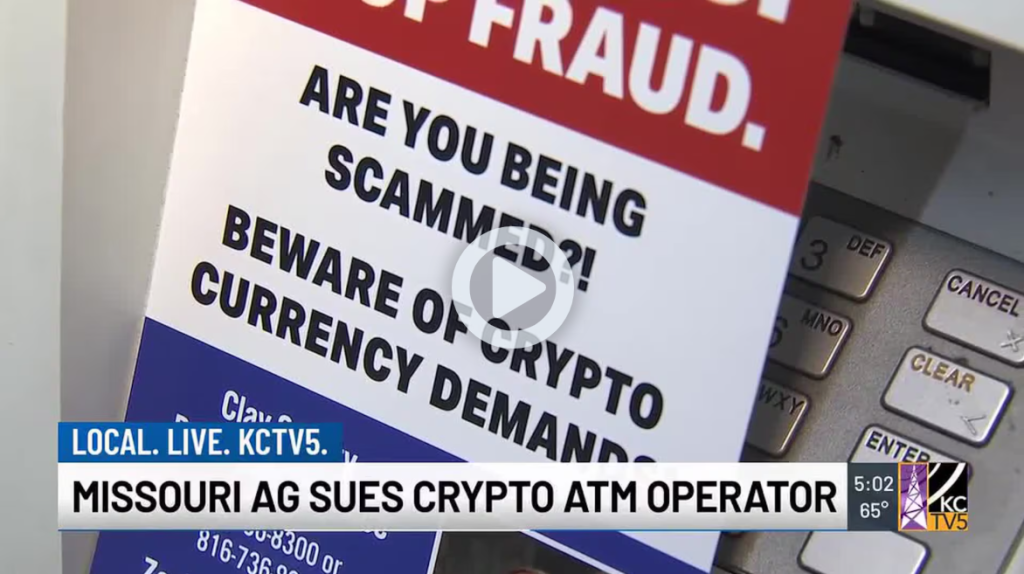
The lawsuit specifically targets GPD Holdings LLC, better known as CoinFlip, which operates more than 136 machines throughout Missouri in locations like gas stations and vape shops. According to the state, the company continued facilitating scam-related transactions while collecting large fees from vulnerable victims, many of them reportedly seniors and veterans.
Crypto ATM Fraud Is Exploding Nationwide
The case arrives as crypto ATM scams continue rising at an alarming pace across the United States. According to FTC data, fraud losses tied to crypto ATMs increased nearly tenfold between 2020 and 2023, transforming what was once considered a niche issue into a major regulatory concern.
Missouri officials say roughly 350 crypto-related cases in the state over the past two years involved a crypto ATM in some capacity. That’s a pretty ugly number considering how simple many of the scams actually are. Victims are often pressured through phone scams, fake government threats, or impersonation schemes into depositing cash into crypto kiosks that immediately convert funds into irreversible digital asset transfers.
Once the money moves, recovering it becomes extremely difficult. And scammers know that.
CoinFlip Is Accused Of Ignoring Warning Signs
What makes the lawsuit more serious is the allegation that CoinFlip publicly promoted its fraud-prevention systems while scam activity allegedly continued across its network. The state argues the company knew or should have known its machines were repeatedly being used for fraudulent transactions.
Missouri is now seeking up to $1.83 million in civil penalties alongside a complete ban preventing CoinFlip from operating inside the state entirely. At the time of filing, CoinFlip had not publicly responded to the allegations.
The optics for the broader crypto ATM industry aren’t great either. Competitor Bitcoin Depot recently filed for Chapter 11 bankruptcy, adding more pressure to a sector already facing growing scrutiny from lawmakers and regulators nationwide.
States Are Starting To Treat Crypto ATMs Differently
For years, crypto ATMs operated in a fairly gray area where regulation often lagged behind adoption. That environment appears to be changing quickly now as state governments become more aggressive about consumer protection concerns tied to scam activity.
Several states have already introduced laws restricting transaction limits, imposing stronger identity verification requirements, or outright targeting crypto ATM operators directly. Missouri’s lawsuit feels less like an isolated event and more like another step in a broader national shift.
And honestly, regulators may have found an issue that resonates politically very easily. Fraud targeting elderly victims is one of the fastest ways to generate bipartisan support for tougher enforcement measures.
The Industry Now Faces A Serious Reputation Problem
The bigger issue for crypto ATM companies may not even be regulation itself. It’s perception. Once machines become associated publicly with scams, fraud hotlines, and financial exploitation, it becomes much harder for operators to defend their role as legitimate financial infrastructure.
To be fair, crypto ATMs themselves are just tools, and many companies do implement compliance checks and fraud warnings. But regulators increasingly seem unconvinced those protections are enough compared to the scale of losses being reported.
For now, Missouri’s lawsuit sends a pretty clear signal to the rest of the industry. The era of crypto ATMs operating quietly in the background may be ending much faster than operators expected.