
- Hedera’s HIP-1261 proposal aims to create more predictable transaction fees for enterprises
- HBAR continues trading within a fragile recovery structure between key support and resistance levels
- Long-term demand for HBAR still depends heavily on growing real-world network adoption
HBAR is currently moving through a fairly delicate recovery phase, with price action still lacking the kind of momentum bulls were hoping to see after recent consolidation. While the token continues holding above key support zones, traders remain cautious as the broader technical structure still looks somewhat uncertain.
At the same time though, a new Hedera proposal called HIP-1261 is beginning to attract attention across the ecosystem, particularly among developers and enterprise-focused users.
The reason is pretty simple: businesses hate unpredictable costs.
And honestly, that has always been one of blockchain’s biggest problems when it comes to institutional adoption.
HIP-1261 Wants to Make Fees Easier to Predict
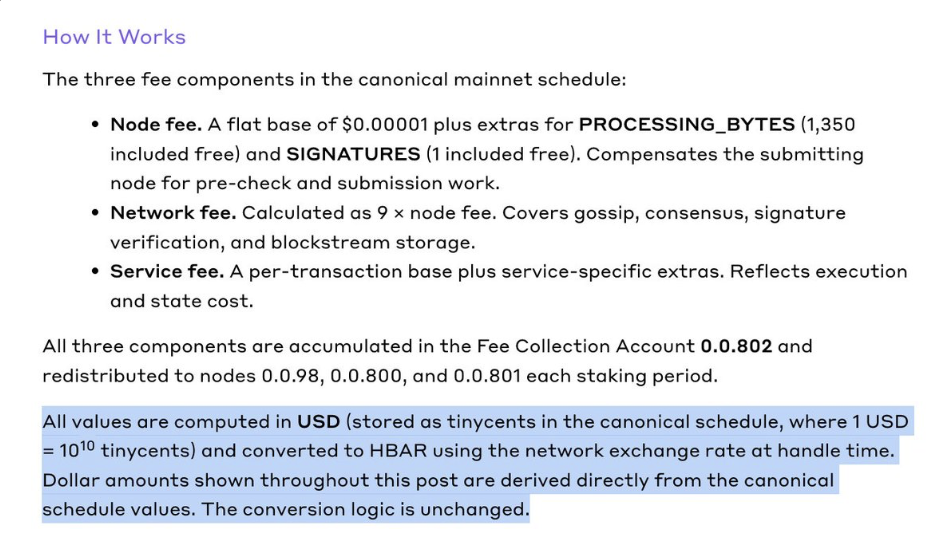
The HIP-1261 proposal introduces a simplified pricing structure built around a clearer base-fee model alongside additional transaction charges. Instead of dealing with constantly shifting or difficult-to-estimate fees, developers and enterprises would gain a much more transparent framework for calculating costs ahead of execution.
For companies managing compliance rules, operational budgets, and internal auditing systems, predictability matters a lot more than many crypto traders realize.
As Finance Bull noted online, businesses do not want to “guess” what deployment costs might look like later. They need clarity upfront before integrating blockchain systems into real-world operations.
That’s really the core goal behind HIP-1261.
The proposal would apply across several important network activities, including token transfers, smart contract execution, NFT transactions, identity systems, Hedera Consensus Service messaging, and supply-chain infrastructure. Instead of fragmented pricing models across different services, the update attempts to create more consistency throughout the ecosystem.
More Network Usage Still Means More HBAR Demand
Importantly, even though fees may be displayed in USD equivalents for easier accounting purposes, all network fees on Hedera are still ultimately paid using HBAR itself.
That distinction matters for long-term token economics.
If enterprise adoption increases and transaction activity grows across the network, demand for HBAR would naturally rise as more companies and applications require the token to interact with the blockchain infrastructure.
In other words, the proposal is not just about improving developer experience. It also strengthens the broader utility case behind HBAR over time.
That’s one of the reasons institutional-focused investors continue paying attention to Hedera despite the token’s slower price action lately.
HBAR Price Structure Still Needs Confirmation
From a technical perspective though, HBAR still faces several important hurdles before traders fully regain confidence.
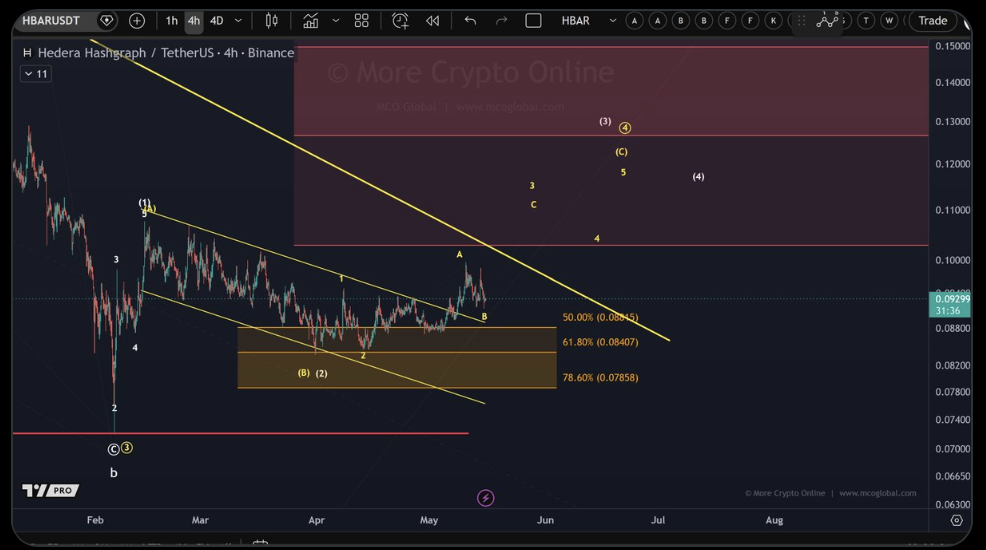
Right now, the token remains trapped inside what analysts describe as a corrective recovery structure rather than a clear bullish breakout. Support continues holding between roughly $0.078 and $0.088, while the next major resistance area sits closer to $0.103.
According to analysts at More Crypto Online, the market could still grind slightly higher toward the descending trendline and resistance zone as long as the current support range remains intact.
That makes the $0.078 to $0.088 region critically important in the short term.
However, if HBAR loses support near $0.087 and breaks beneath recent swing lows, traders may begin questioning whether the current recovery phase has already exhausted itself. A deeper pullback would likely weaken bullish sentiment considerably.
Enterprise Utility Remains the Bigger Long-Term Story
Despite the cautious chart structure, many investors still view Hedera through a longer-term adoption lens rather than purely short-term speculation.
The bigger argument surrounding HBAR continues revolving around utility growth.
If enterprises increasingly adopt Hedera for payments, identity services, tokenization, messaging, or supply-chain infrastructure, transaction activity across the network naturally increases. And since all those services ultimately rely on HBAR for fees, growing ecosystem activity directly supports long-term token demand.
For now, traders are watching whether price can stabilize and eventually reclaim resistance levels. But beneath the short-term volatility, Hedera’s enterprise-focused infrastructure strategy continues slowly gaining traction.