
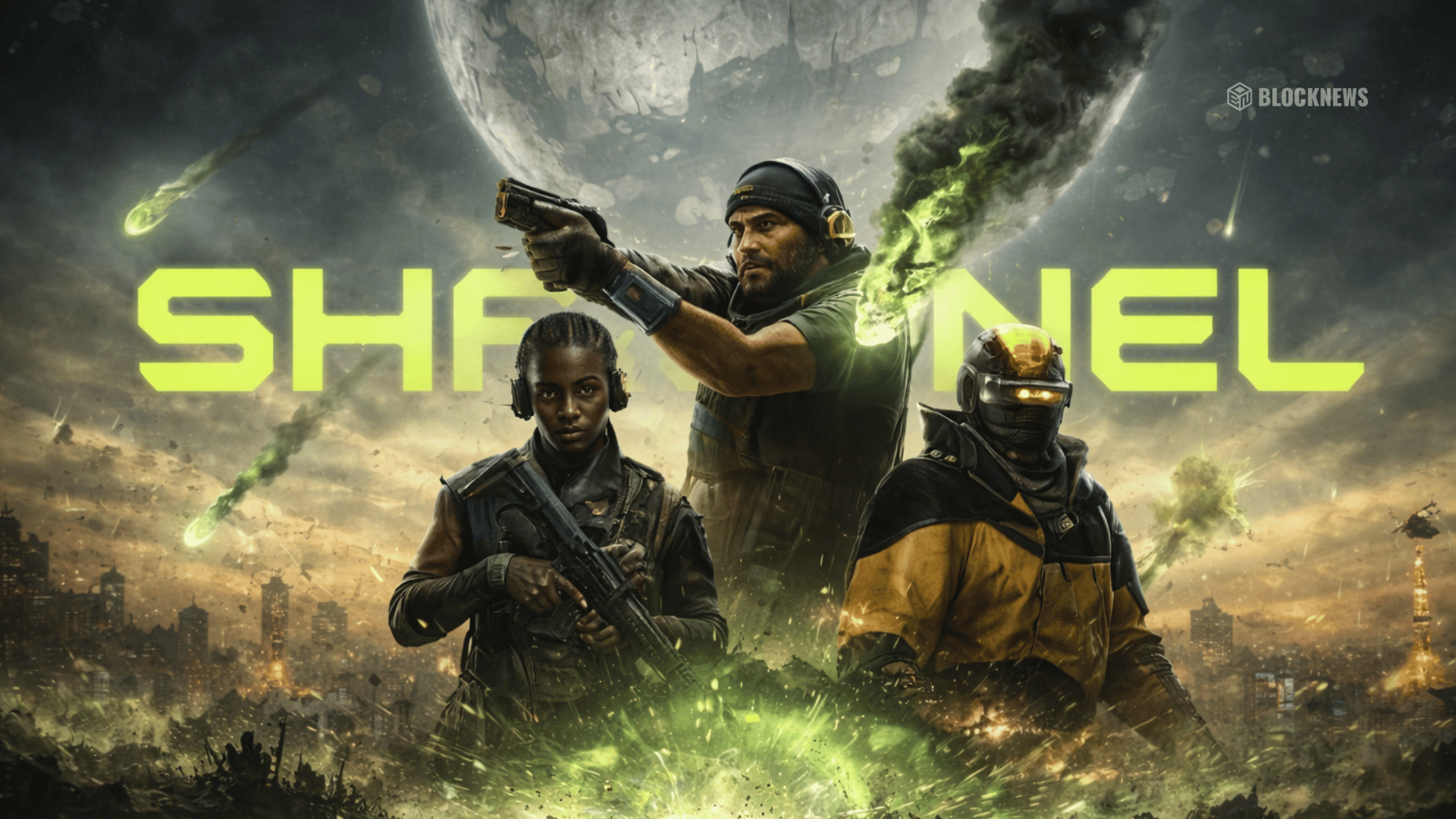
- Shrapnel’s Steam launch marks real progress for Web3 gaming adoption
- Tokenized card games face retention issues as speculation fades
- Capital remains active but shifts toward sustainable game design
Web3 gaming is starting to show real signs of evolution, though not in the way early hype cycles imagined. For years, the biggest issue wasn’t just gameplay, it was distribution. Most blockchain games lived inside closed ecosystems, accessible mainly to crypto-native users who already understood wallets, tokens, and friction-heavy onboarding. That limited growth from the start, even if the ideas were interesting.

Shrapnel launching on Steam changes that dynamic in a meaningful way. Steam isn’t just another platform, it’s the platform for PC gaming, and getting listed there requires a level of polish and compliance that most Web3 projects haven’t been able to reach. This isn’t just about visibility, it’s more like a signal that some blockchain games are finally aligning with mainstream expectations, not just crypto ones.
Tokenized Card Games Are Hitting a Wall
At the same time, another part of the Web3 gaming sector is running into structural issues. Tokenized trading card games, once seen as a perfect fit for blockchain, are struggling to maintain player engagement. The core problem seems pretty clear, many of these games leaned more on financial incentives than on gameplay itself.
Early traction often came from speculation, not long-term interest. When token prices cooled off, so did player activity. Without strong mechanics or depth, retention drops quickly, and the model starts to feel fragile. It’s not that the concept doesn’t work, it’s that execution hasn’t caught up yet.
Investment Is Still Flowing, But More Carefully
Despite these challenges, capital hasn’t left the space. Partnerships like Animoca Brands working with Avalanche show that investment is still active, but the approach is changing. There’s less appetite now for projects built purely around token loops, and more focus on games that can stand on their own.
That shift matters. Investors are starting to prioritize sustainability over short-term hype, which could reshape how Web3 games are built moving forward. It’s not about abandoning tokens, but about integrating them in a way that doesn’t overpower the experience.
Web3 Gaming Is Entering a Reality Phase
What’s happening now feels less like a collapse and more like a correction. The space is being forced to prove it can survive without relying on speculation as its main driver. That’s a harder challenge, but probably a necessary one.
If projects like Shrapnel can succeed on platforms like Steam, it could open the door for broader adoption. But at the same time, weaker models will continue to struggle, especially those that can’t retain users once incentives fade. Web3 gaming isn’t failing, it’s being tested, and the results will likely shape its next phase.