- SHIB recorded 0% burns over Valentine’s weekend as the burn rate dropped 100%
- The token fell to a yearly low near $0.0000056 as scarcity narratives weakened
- Without major Shibarium activity, burns remain too small to matter
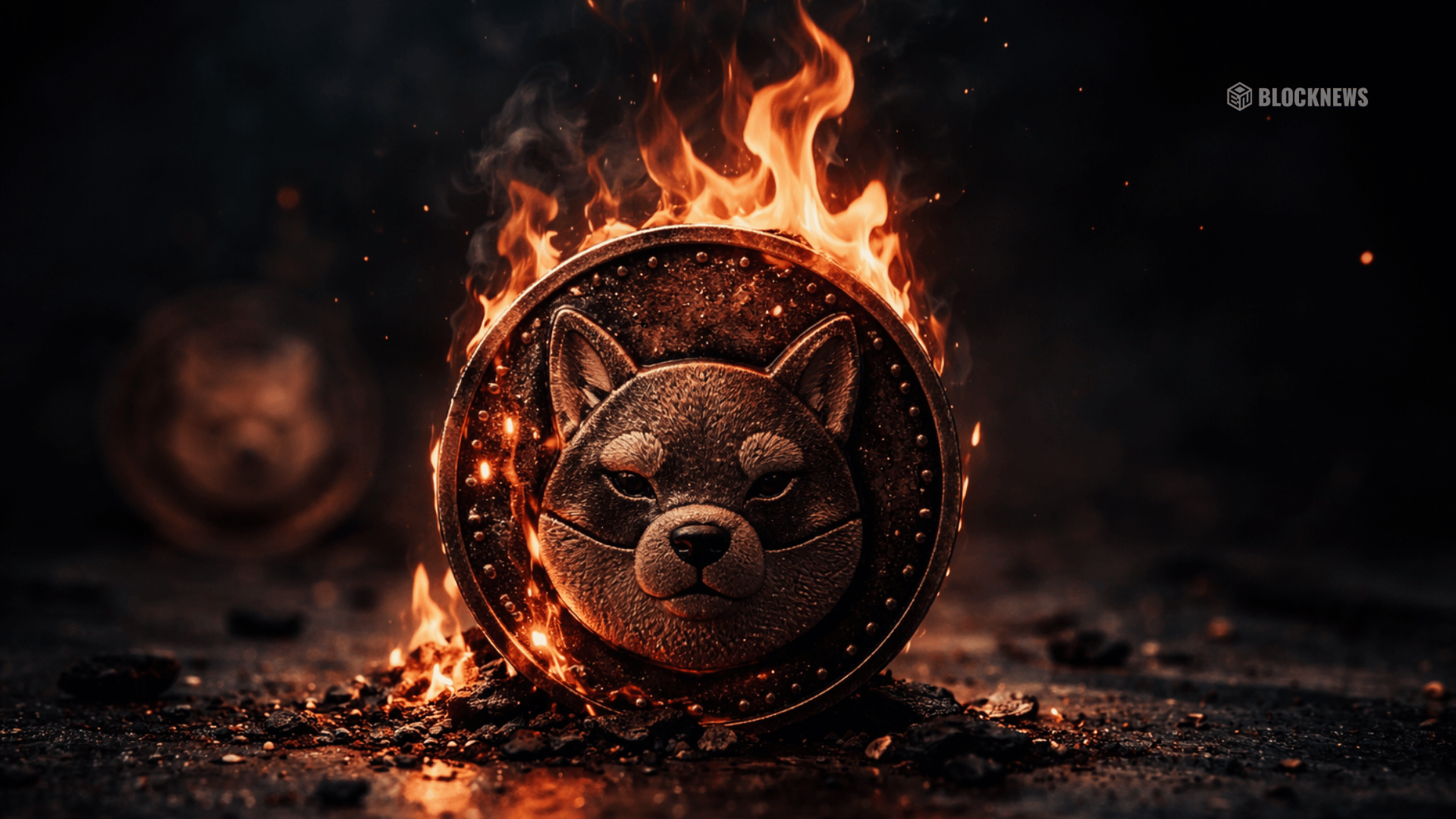
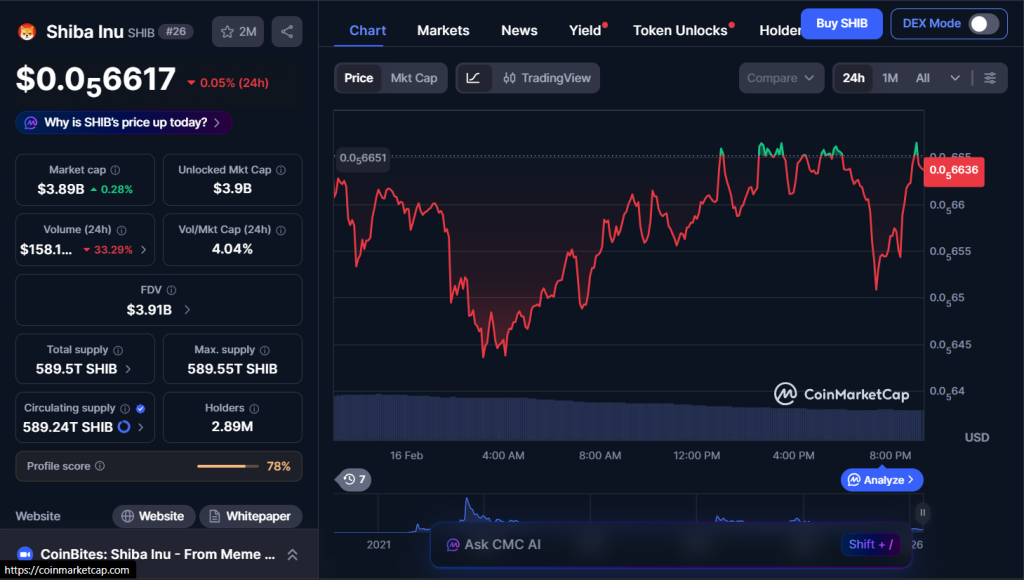
Shiba Inu didn’t just have a slow burn weekend. It had no burn weekend. According to SHIBburn data, SHIB recorded 0% burns during Valentine’s Day weekend, meaning nothing meaningful was removed from circulation at all. The burn rate fell by 100%, and SHIB slid to a yearly low around $0.0000056 shortly after.
That’s not a technical issue. It’s a confidence issue. The entire “burn” thesis only works if scarcity is actually being created, and right now, it isn’t.
The Numbers Show Why Investors Aren’t Feeling It
Even when SHIB does burn tokens, the scale has been borderline irrelevant. On Monday, around 3 million SHIB tokens were burned, which works out to roughly $19 to $20 in value. That’s basically pocket change relative to a supply that still sits in the hundreds of trillions.
So yes, burns exist on paper. But the reality is harsher: at this pace, the burn mechanism is symbolic, not structural.
And markets are starting to treat it that way.
Why Scarcity Still Isn’t Happening
The core problem is simple. Shiba Inu is not reducing supply at a rate that could ever change the long-term math. Without meaningful scarcity, demand doesn’t get a tailwind. Bitcoin has scarcity baked in. Ethereum has a burn mechanism tied to real network usage. SHIB has burns tied to hype and inconsistent activity.
That difference is why BTC and ETH can create long-term investor conviction, while SHIB keeps drifting into “fun trade” territory.
The $0.01 Dream Requires a Burn Scale That Feels Unreal
The article’s point is blunt but accurate: for SHIB to even begin approaching $0.01, more than 90% of the supply would likely need to be burned. Even after that, the token would still have tens of trillions in circulation. That’s the part that makes the one-cent narrative feel more like a community slogan than a realistic target.
It’s not impossible in theory. It’s just wildly improbable in practice, unless the ecosystem shifts into extreme burn mode.
Shibarium Was Supposed to Be the Engine, But Activity Isn’t There
Shibarium was marketed as the solution that would make burns real. But network activity has not reached the level needed to drive aggressive burn rates. Without high usage, fees stay low. Without fees, burns stay tiny. And without burns, the entire scarcity pitch collapses back into wishful thinking.
That’s why so many SHIB holders are frustrated. The mechanism exists, but it’s not producing outcomes.
Conclusion
Shiba Inu’s 0% burn weekend wasn’t just a bad statistic, it was a reminder of the project’s biggest weakness. SHIB needs consistent, large-scale burn activity to support its long-term price narratives, and right now the numbers aren’t even close. Unless Shibarium usage ramps hard or the burn model changes dramatically, SHIB may remain trapped in a cycle of hype bursts followed by long stretches of disappointment.