- SBF is seeking a new trial, arguing fresh witness testimony could alter key findings
- The motion alleges prosecutors misrepresented or failed to disclose critical details
- A retrial would reopen a case many thought was legally settled
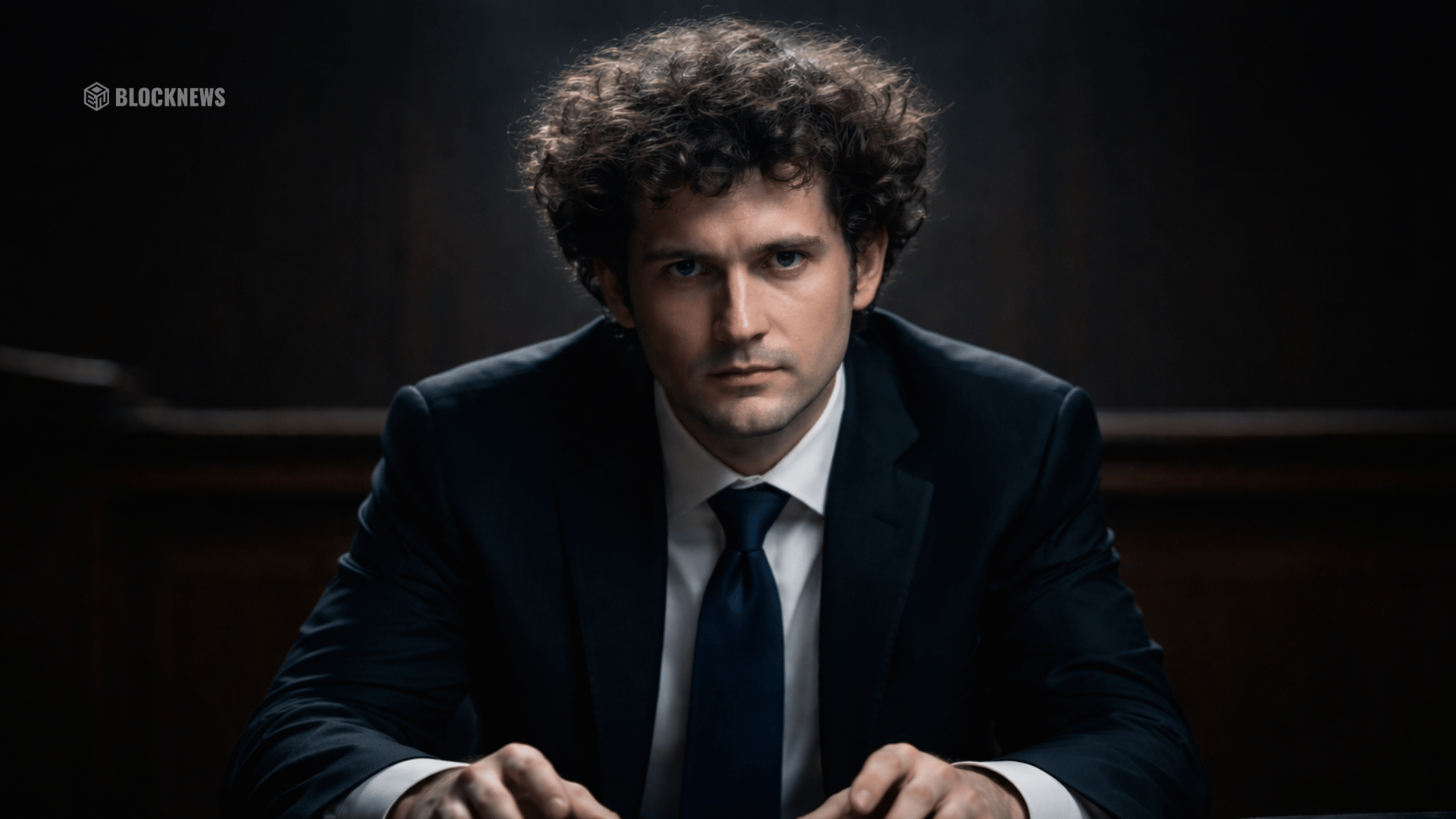
Sam Bankman-Fried is attempting to reopen his FTX fraud case by requesting a new trial, arguing that newly surfaced witness testimony could undermine core elements of the prosecution’s narrative. After being convicted on multiple counts tied to the collapse of FTX, this move represents more than a routine appeal. According to reporting, SBF claims the jury never had access to a full or accurate picture of certain evidence that shaped how intent and knowledge were interpreted.
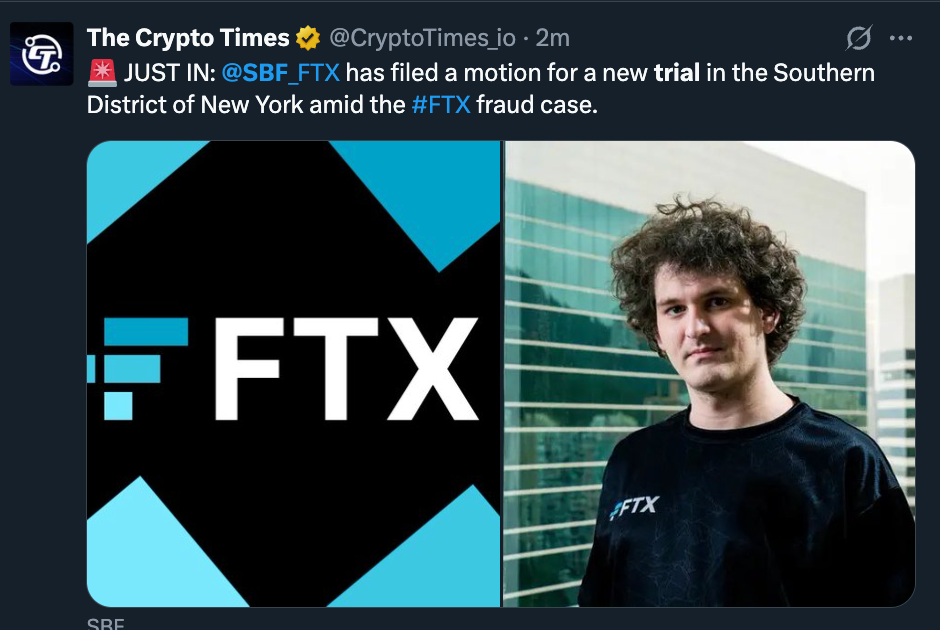
The filing frames the issue as procedural, not philosophical. In Bankman-Fried’s telling, this isn’t about disagreeing with the verdict. It’s about whether the trial itself was compromised by incomplete or mishandled information.
The Core Argument Centers on Due Process
At the heart of the motion is an accusation that prosecutors either mischaracterized testimony or failed to disclose information that could have materially helped the defense. In legal terms, that rises to a due process claim, one of the few avenues that can justify a retrial if proven.
Defense filings suggest the new witness may offer insight into how specific transactions and internal communications were understood at the time. The implication is that these interpretations could weaken the prosecution’s claims around intent, a critical pillar of the fraud conviction. If the court determines this testimony was both material and genuinely unavailable during the original trial, the request becomes harder to dismiss outright.
Why a Retrial Would Matter Beyond One Defendant
A granted retrial wouldn’t just affect Bankman-Fried. It would ripple across white-collar enforcement, particularly in crypto-related cases. Prosecutors have leaned heavily on the FTX conviction as proof that existing fraud statutes are sufficient to police digital asset markets.
If the court finds flaws serious enough to warrant a do-over, it raises uncomfortable questions about how aggressively narratives were constructed and how evidence was handled. Defense attorneys across finance and crypto would study the ruling closely, especially those representing executives facing similar charges.
Prosecutors Are Unlikely to Give Ground
That said, the bar for a new trial is extremely high. Judges don’t grant retrials simply because a defendant found a new angle or a more favorable witness after the fact. The prosecution is almost certain to argue that the evidence was either cumulative, immaterial, or available during the original proceedings.
The judge will have to weigh not only what the new witness claims, but why that testimony wasn’t presented earlier and whether it would realistically have changed the jury’s conclusions. That’s a narrow gate to pass through.
A Closed Case Is Suddenly Back in Motion
This filing doesn’t mean Bankman-Fried is close to overturning his conviction. But it does reintroduce uncertainty into a case many assumed was finished. In high-profile trials, finality often feels absolute until it isn’t.
Whether the motion succeeds or fails, it’s a reminder that even the most scrutinized legal outcomes can be revisited when procedure itself is challenged. And in the shadow of FTX, that alone is enough to draw attention back to a story many thought was over.