- XRP’s bull case depends on ETF inflows, institutional adoption, and Ripple building a true global payment network.
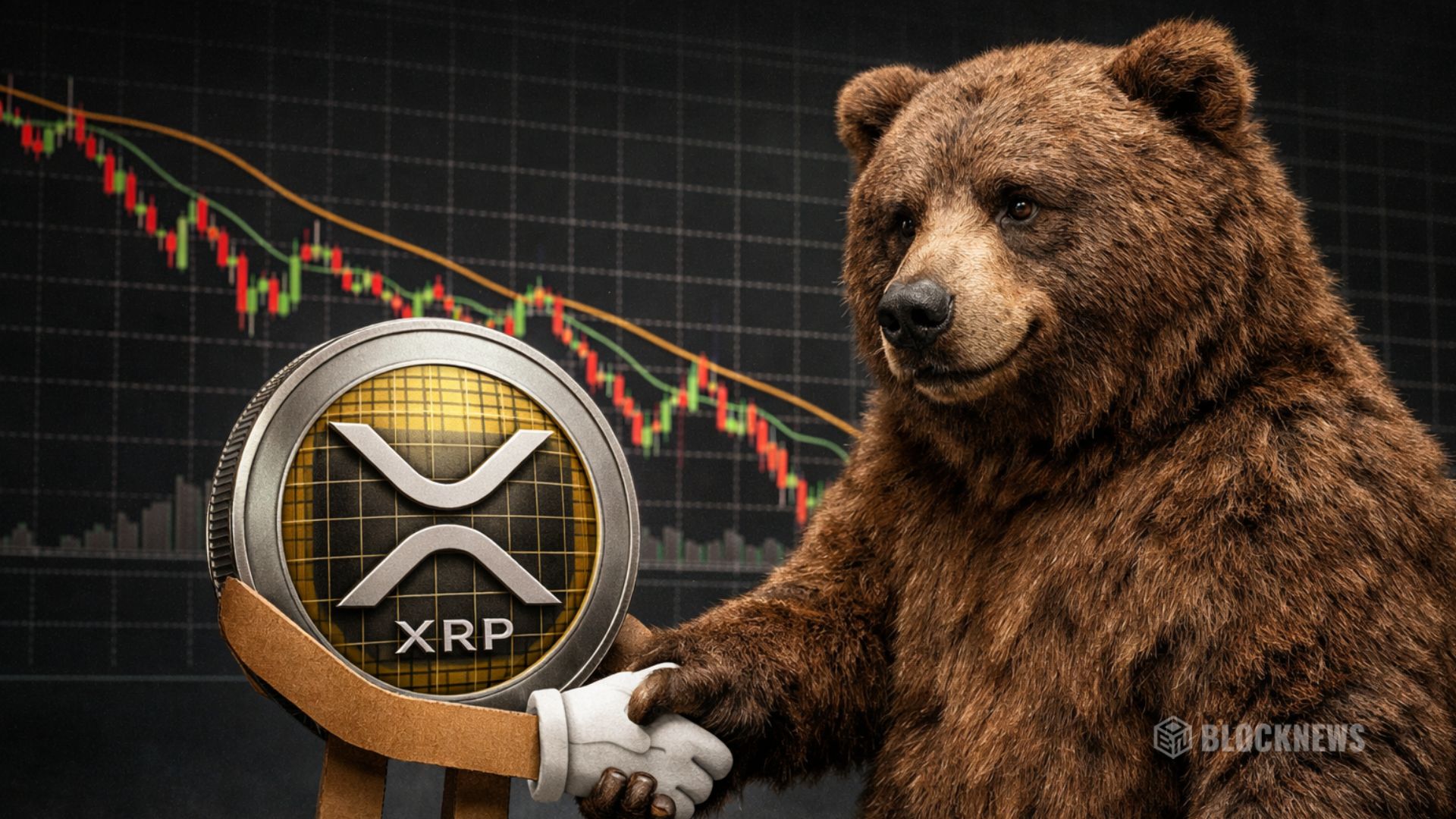
- The bear case includes fading ETF demand, weaker adoption, regulatory uncertainty, and stablecoins replacing XRP’s use case.
- Ripple’s 2025 acquisitions and how well they integrate may be the key factor deciding whether XRP can reach $10 by 2028.
New catalysts for XRP keep popping up, and on paper they look pretty exciting. But the real question is the same one XRP investors have been asking for years: are these catalysts actually strong enough to push the token meaningfully higher, or is this just another round of hype that fades out quietly? XRP has always been a strange case in crypto, because it’s been around forever, it has serious brand recognition, and yet it’s never managed to break cleanly into that “top-tier long-term winner” category the way Bitcoin or Ethereum did.
If there’s one thing XRP has done consistently, it’s tease people with upside potential. Despite never trading above $4 in more than a decade, you can still find optimistic price targets floating around that go as high as $100, which is… ambitious, to put it politely. The problem is that to land on a realistic price target, you have to separate signal from noise, and that’s harder with XRP than with most large-cap coins because the narrative changes constantly.
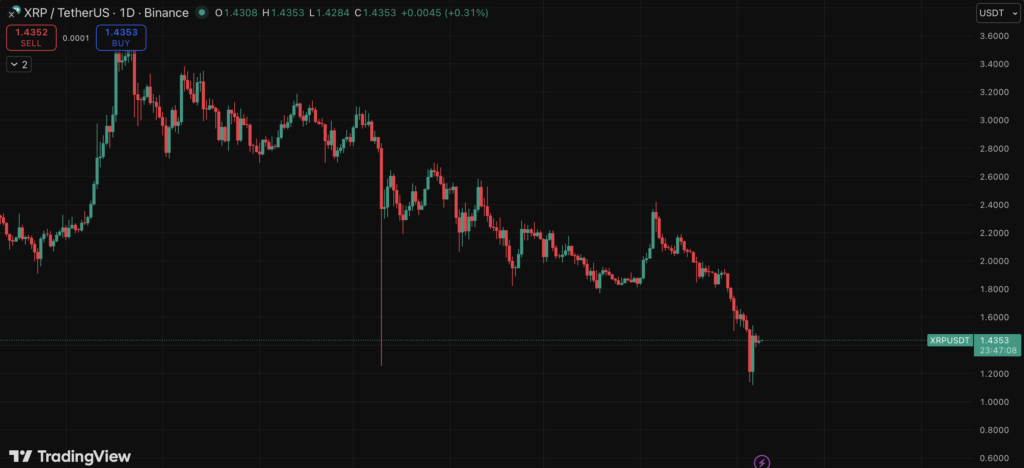
Why XRP Still Has Bulls in 2026
The bull case for XRP is basically the “everything goes right” scenario. In that world, the new spot XRP ETFs keep pulling in fresh investor capital, institutions continue adopting Ripple’s payment infrastructure, and XRP becomes a core asset inside a global financial settlement network. That’s the dream, and it’s the reason people still hang around this token even after years of sideways frustration.
If that scenario actually plays out, XRP could realistically hit $10 or more by the end of 2028. Standard Chartered has already floated a forecast that XRP could hit $8 this year, and then climb toward $12.50 by the end of 2028. That’s not a random Twitter prediction either, it’s coming from a major bank, so naturally people take it seriously.
At the same time, XRP is currently trading under $2, so those numbers can sound like fantasy at first glance. But XRP has always been a “narrative coin,” meaning when sentiment flips, it can move fast, sometimes unreasonably fast. And Ripple itself has been acting like a company that expects something big, spending roughly $2.5 billion on blockchain and crypto acquisitions in 2025.
Ripple’s Acquisition Spree Could Change the Game
That $2.5 billion figure matters because it suggests Ripple is not just sitting around waiting for the market to save it. If Ripple is able to integrate these acquisitions properly and squeeze real synergies out of them, XRP could end up sitting at the center of something bigger than just a token people trade. The most optimistic version of the story is that Ripple builds an end-to-end payments ecosystem where XRP is the glue, the liquidity layer, the settlement asset, the thing that makes the whole machine run.
And honestly, that’s the only kind of scenario where XRP gets to $10+ in a believable way. XRP doesn’t need retail hype alone, it needs infrastructure adoption, and it needs it at scale. Without that, the upside targets start looking like pure hopium again.
The Bear Case: XRP Overpromises Again
The bear case is also easy to imagine, because we’ve kind of seen versions of it before. In this scenario, inflows into spot XRP ETFs start strong, then slow down as investors move on to the next shiny thing. Institutional adoption doesn’t accelerate the way bulls expect, and regulatory clarity around XRP, instead of improving, gets murkier again. That’s a huge risk, because XRP’s price has always been heavily tied to the perception of legal and regulatory stability.
There’s also another threat that keeps getting bigger: stablecoins. If stablecoins become the dominant way to send money globally, cheaply, and instantly, then XRP’s role as a “bridge asset” starts looking less essential. Not impossible, just less necessary, and in markets, “less necessary” is a killer.
If the bear case plays out, XRP dipping below $1 is not some crazy idea. It was still trading around $0.50 back in November 2024, and for a long stretch between early 2021 and late 2024, it rarely held above $1 for long. XRP has a history of falling back into the basement when the hype cycle ends, and anyone pretending otherwise is rewriting history.
The Most Likely Scenario: Institutions Decide XRP’s Fate
The most realistic path forward sits somewhere in the middle. XRP’s future, more than almost any other major crypto, depends on institutional adoption. If big financial institutions and Wall Street banks don’t want to use Ripple’s ledger and payment rails, then there’s no magical route where XRP goes to $10 just because retail wants it to.
So the real thing to watch isn’t a chart pattern or a meme trend. It’s how well Ripple integrates the acquisitions it made in 2025, and whether those deals actually translate into new customers, new transaction volume, and deeper financial partnerships. If that machine starts working, XRP could make its way back toward the $4 level again, and from there, a move to $10 by the end of 2028 becomes at least plausible.
But if Ripple stumbles, or institutions stay lukewarm, XRP will probably keep doing what it has always done. It’ll pump hard in bursts, break hearts, and then drift sideways while everyone argues about whether the “real breakout” is still coming.