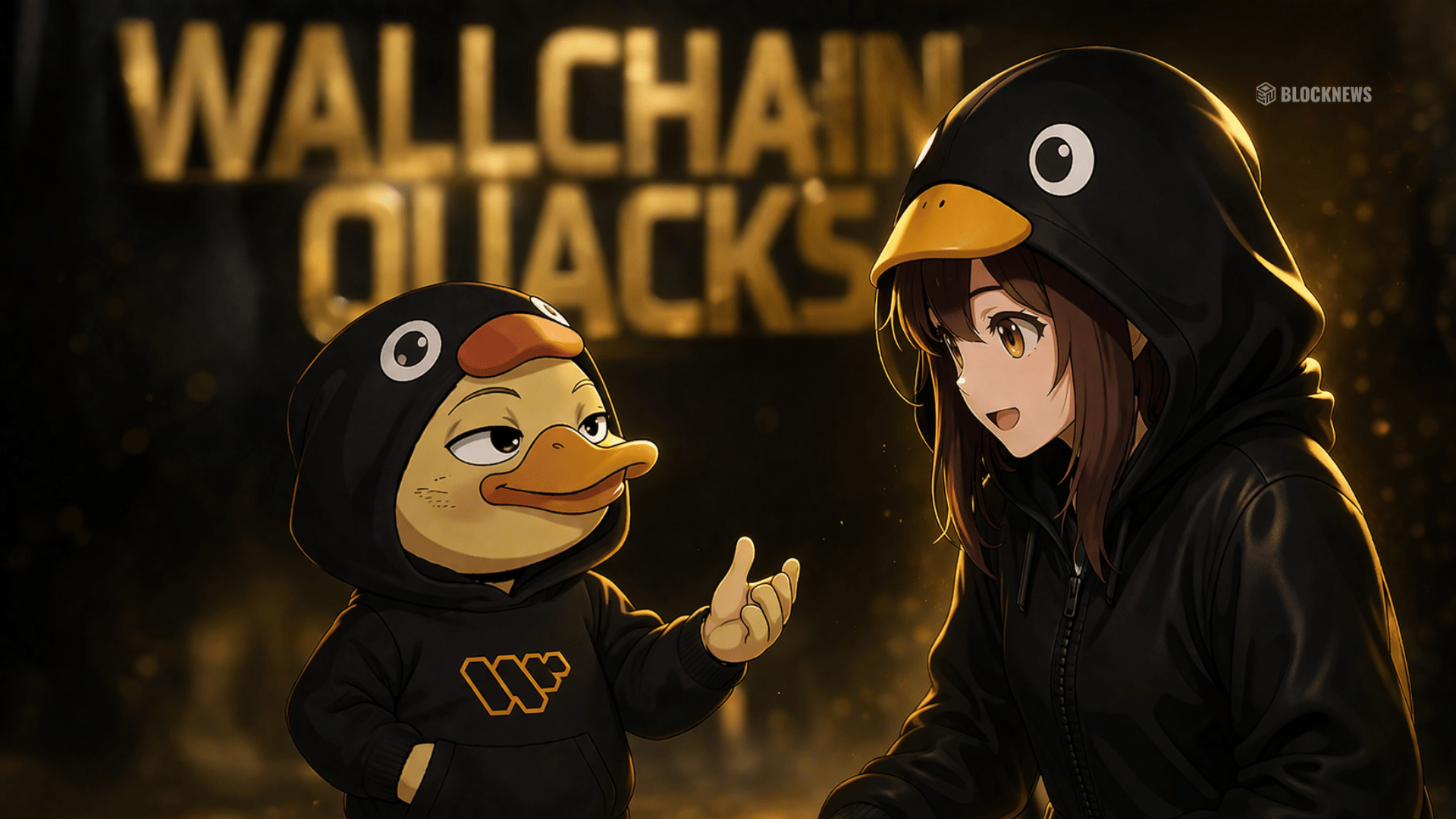
- Wallchain introduces “Quacks” as NFT-based onchain identity system
- Targets spam-heavy AttentionFi and bot-driven engagement loops
- Rewards real users through gated, behavior-based participation
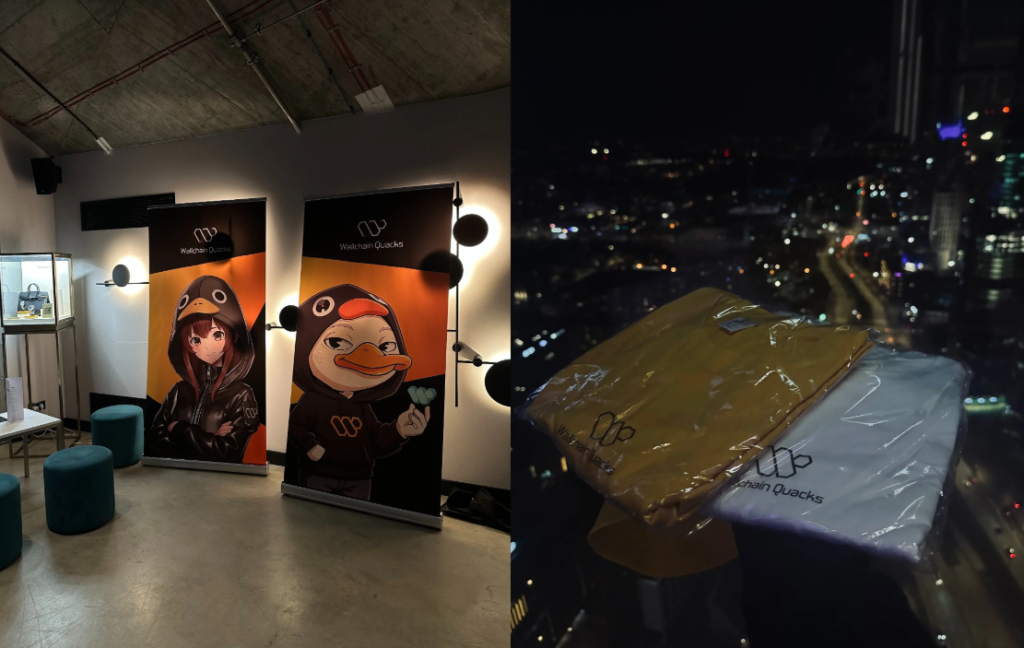
At first glance, “Wallchain Quacks” sounds… a bit unserious. But what it’s actually trying to solve is one of crypto’s more annoying problems, fake engagement everywhere. These NFTs aren’t meant to be collectibles or flex pieces. They act more like identity layers, tying onchain behavior and social activity into something persistent.
Think of it less like a profile picture and more like a passport. If you’ve used a protocol, held tokens, or contributed to a community, that history gets attached to your identity. And suddenly, participation isn’t just something you can fake with a few burner accounts.
AttentionFi’s Spam Problem Is Getting Hard to Ignore
AttentionFi promised a system where visibility equals value. In practice, it often turned into endless low-effort content, threads, replies, and posts that look active but don’t actually say much. A lot of noise, not much signal.
That’s the gap Wallchain is trying to address. Instead of rewarding whoever posts the most, its system filters participation. Not everyone gets in. Only users who meet certain criteria, like holding tokens or actively using a product, are included.
Gated Leaderboards Change the Incentive Structure
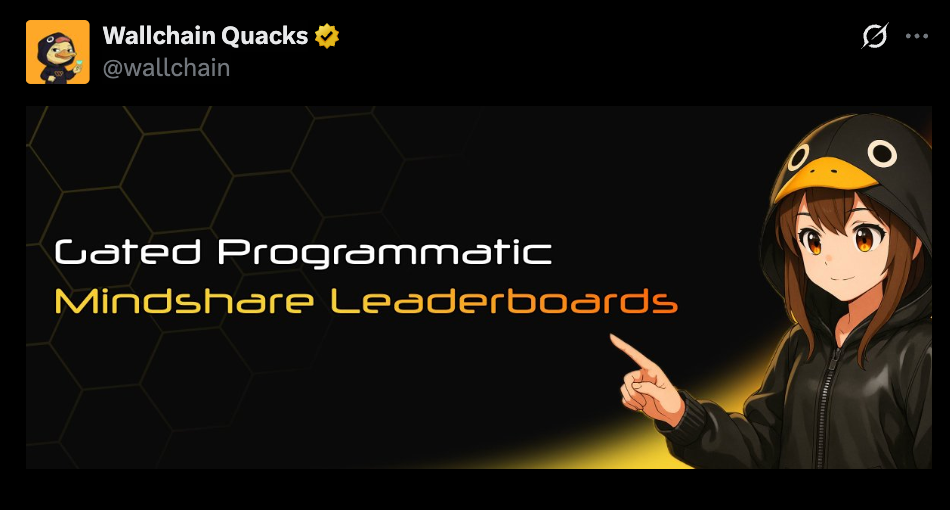
The “Gated Programmatic Mindshare Leaderboards” are where this idea takes shape. Projects can define who qualifies to participate, whether that’s holders, contributors, or specific user groups.
It’s a subtle shift, but an important one. Instead of open systems that attract spam, this creates smaller, more focused environments where participation is tied to actual involvement. It doesn’t eliminate gaming entirely, but it raises the cost of faking it.
NFTs Start Looking Like Infrastructure Again
This is where NFTs start to make more sense again, not as speculative assets, but as credentials. Quacks aren’t about rarity or floor price. They’re about proving behavior over time.
Because that data is tied onchain, it’s harder to replicate artificially. You can’t just spin up thousands of accounts and expect them to carry the same weight. At least, not without doing the work behind it.
A Step Toward More Meaningful Participation
If it works, systems like this could improve the quality of engagement across crypto platforms. Better participants tend to produce better content, which leads to better outcomes for projects.
It’s not a perfect fix, and people will still try to game it, they always do. But it’s one of the first attempts that doesn’t rely on pretending spam is the same thing as engagement.
NFTs May Survive as Quiet Infrastructure
NFTs aren’t going away, but they are changing. The speculative phase has cooled, and what’s left is a search for real utility. Identity, reputation, access, those use cases are starting to look more relevant.
If that trend continues, NFTs won’t feel like products anymore. They’ll feel like infrastructure. And systems like Quacks might be early signs of that shift.