
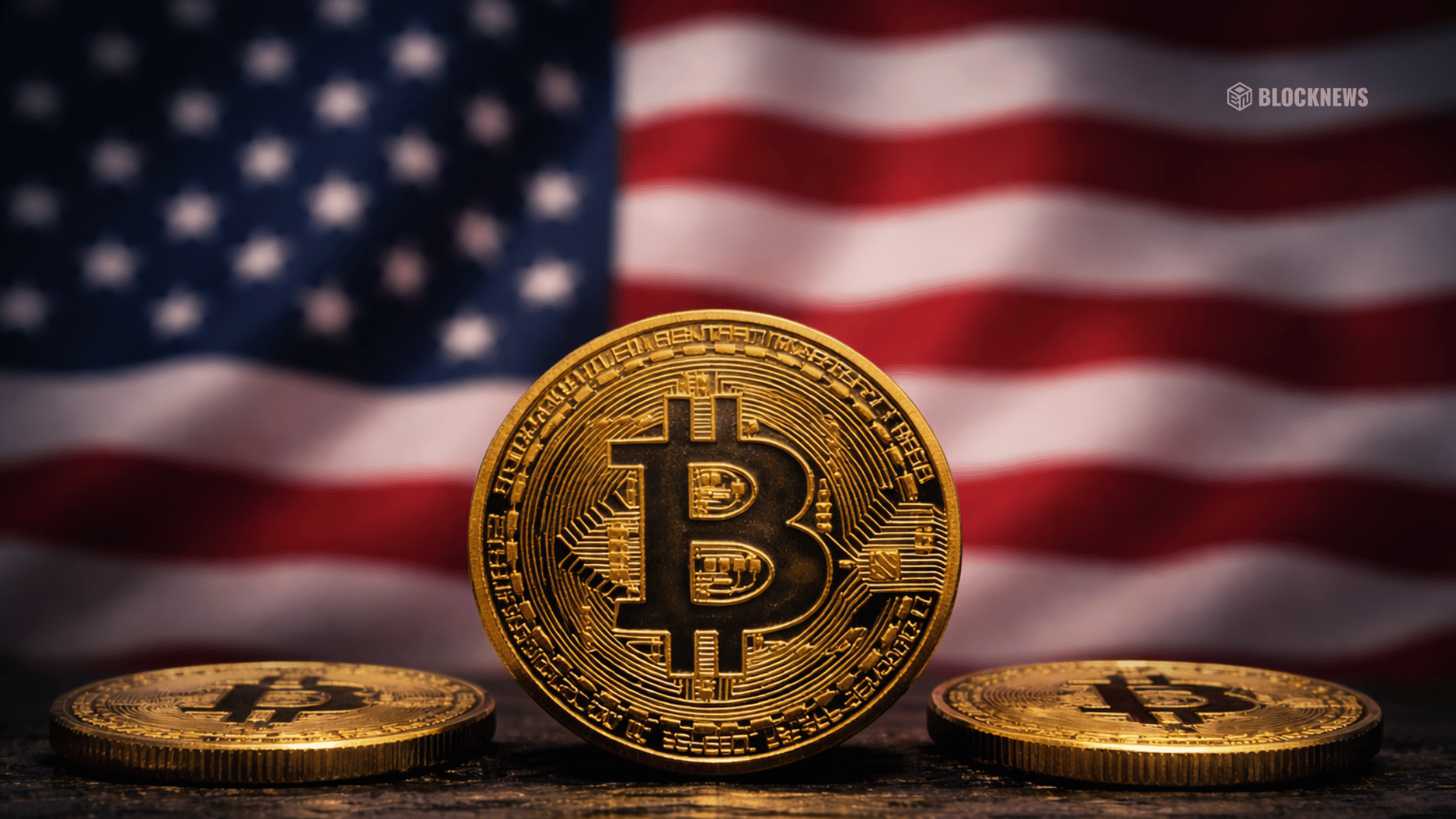
- A US-linked wallet transferred 0.04 BTC in a test-like move
- The government now holds over 328,000 BTC in total reserves
- Lawmakers may formalize a Strategic Bitcoin Reserve this year
A crypto wallet associated with the US government moved roughly 0.04 Bitcoin on Tuesday, worth just over $2,500. On its own, the amount is small. But when the sender is the largest sovereign holder of Bitcoin, even minor transfers draw attention.

According to on-chain data tracked by Arkham Intelligence, the funds originated from assets seized in the Miguel Villanueva case. The wallet currently holds nearly 0.3 BTC, valued at over $20,000. Observers speculate that the transaction may represent testing activity ahead of larger operational adjustments.
Strategic Bitcoin Reserve Expands
The timing is notable. Federal authorities have been building infrastructure around the Strategic Bitcoin Reserve, established by executive order in March 2025. By early 2026, the US government had accumulated approximately 328,372 BTC through criminal and civil forfeitures.
That total makes the United States the largest sovereign Bitcoin holder globally. Unlike past cycles, where seized BTC was often auctioned off, the current framework suggests a more structured approach to custody and management.
Bitcoin Act Could Formalize Purchases
Lawmakers are expected to debate the proposed Bitcoin Act this year. The legislation would authorize annual purchases of 200,000 BTC beginning in the fourth quarter, treating Bitcoin as a strategic reserve asset similar to gold. If enacted, this would mark a significant policy shift from reactive seizure management to proactive accumulation.

Such a move could institutionalize Bitcoin within national reserve strategy. It would also formalize operational structures around custody, transfers, and reporting — making even small test transactions part of a broader systems buildout.
From Selling Seized BTC to Holding It
Historically, the US government opted to liquidate confiscated Bitcoin through public auctions. In hindsight, that approach may have left substantial upside unrealized as BTC appreciated dramatically over the past decade.
The latest transfer does not indicate selling pressure. Instead, it appears procedural. But in a market sensitive to government wallet movements, even minor on-chain activity fuels speculation. For now, the signal seems technical rather than strategic — though the broader policy direction suggests Bitcoin’s role in sovereign finance is evolving.