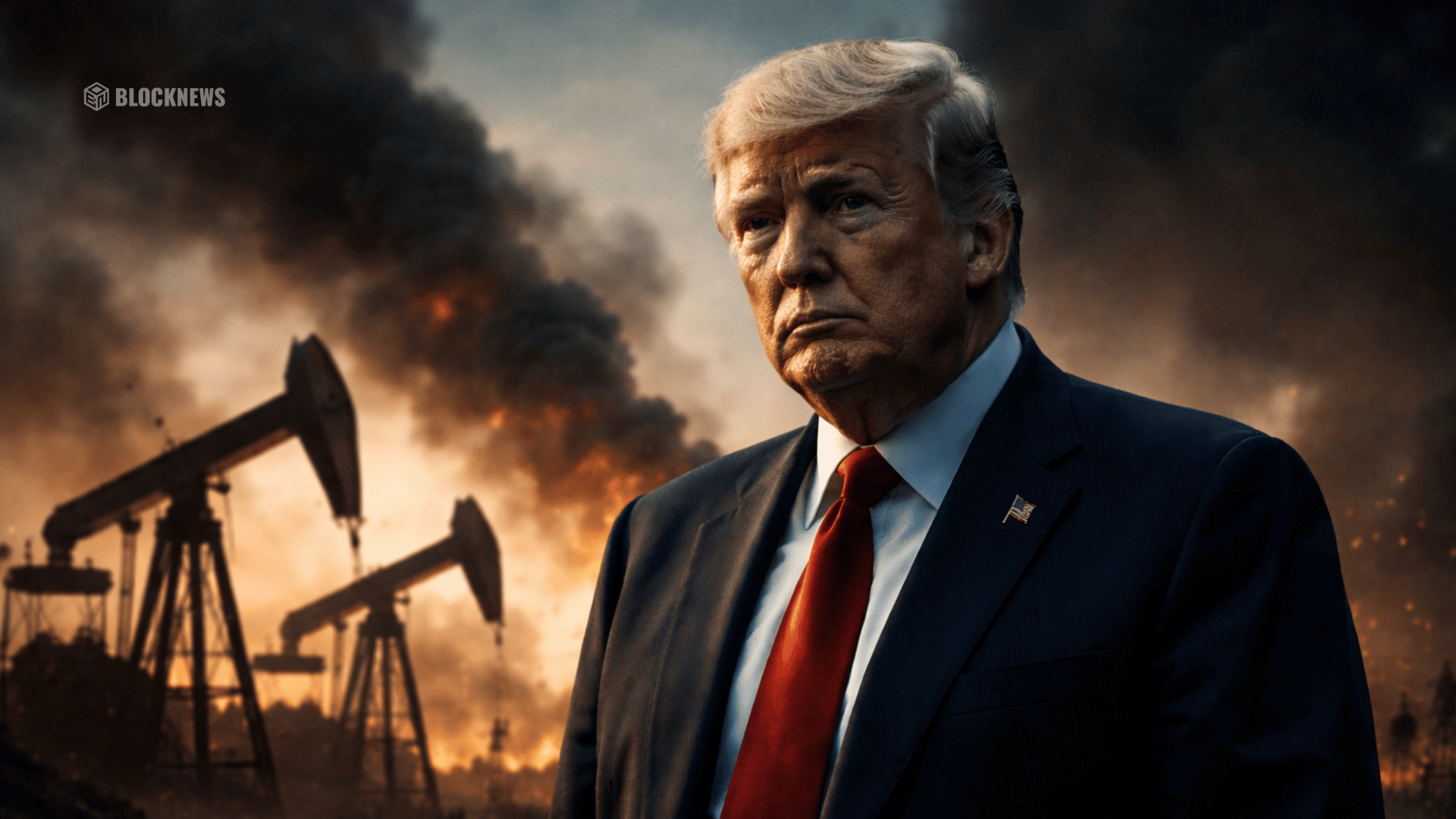
- Oil prices surged above $100 as the Iran conflict disrupts global supply
- The White House is reviewing emergency options to stabilize energy markets
- Rising energy costs could ripple into inflation, stocks, and crypto
President Donald Trump is expected to review a range of emergency policy options aimed at controlling surging oil prices as the conflict involving Iran continues to disrupt global energy markets. Crude prices have climbed above $100 per barrel, raising concerns inside the White House that prolonged energy inflation could impact businesses, consumers, and the broader economy.
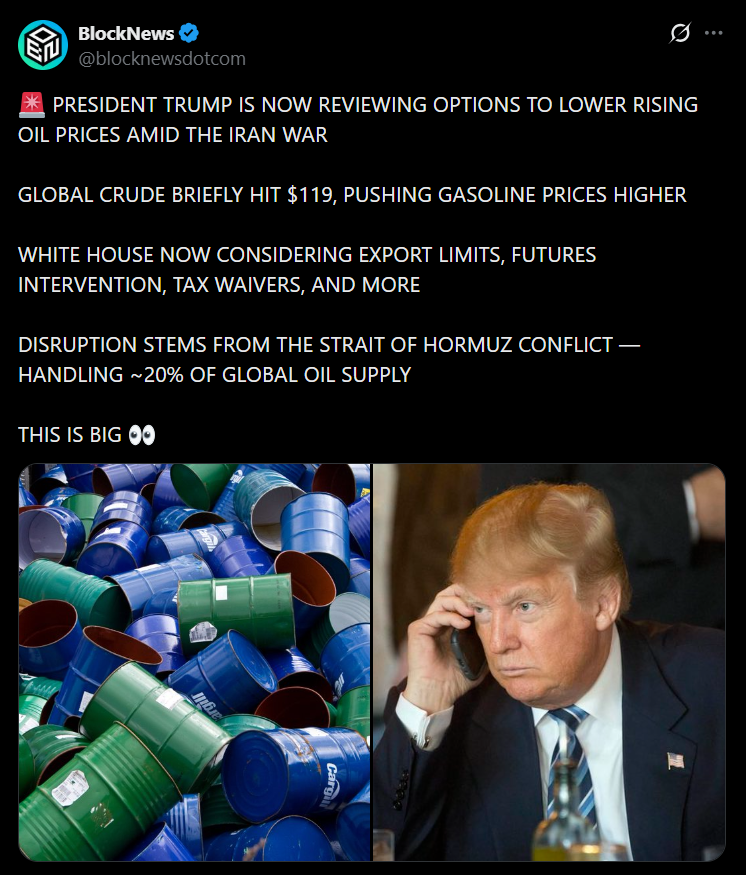
According to people familiar with the discussions, administration officials have been preparing multiple proposals to reduce pressure on oil markets. The urgency reflects worries that rising gasoline and energy costs could become a political liability ahead of the November midterm elections, when Republicans are trying to maintain control of Congress.
Strategic Reserves and Export Controls Under Discussion
One of the most widely discussed options involves a coordinated release of crude oil from strategic reserves among the Group of Seven (G7) major economies. Such a move could temporarily boost global supply and calm market fears about shortages.
Officials are also considering restricting U.S. crude exports, intervening in oil futures markets, and waiving certain federal fuel taxes. Another option under review includes lifting requirements under the Jones Act, a U.S. law that requires fuel transported between domestic ports to be carried on American-flagged vessels.
Each of these proposals is designed to increase supply flexibility or reduce costs at the pump, though their effectiveness remains uncertain.
Diplomatic Pressure on Gulf Producers
Beyond domestic policy tools, the White House is also working through diplomatic channels. U.S. officials have reportedly been urging Gulf allies to increase production and restore oil shipments disrupted by the conflict.
The war has already disrupted tanker traffic through the Strait of Hormuz, a narrow but critical waterway between Iran and Oman that carries roughly one-fifth of the world’s oil supply. Any sustained blockage there could dramatically tighten global energy markets.
Despite these risks, the White House has so far avoided confirming which specific policy options may be implemented. Trump is scheduled to hold a press conference Monday evening, though officials have not said whether the president will announce concrete measures.
Analysts Say Policy Tools May Have Limited Impact
Energy analysts caution that even aggressive policy actions may not immediately stabilize global oil markets if shipping through the Strait of Hormuz remains restricted.
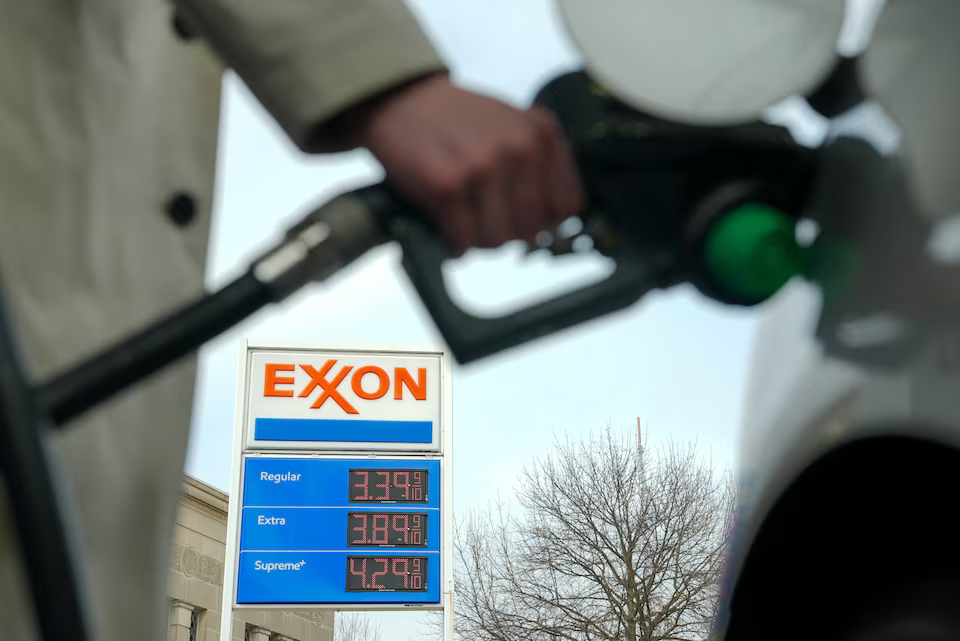
Some experts say many of the potential interventions range from symbolic to only marginally effective. Without restoring normal tanker traffic in the region, global supply constraints could continue pushing oil prices higher.
Meanwhile, the administration has also explored providing naval escorts and insurance support for oil tankers moving through the waterway. So far, however, that effort has not significantly increased shipping activity.
Rising Energy Prices Could Ripple Through Markets
The surge in oil prices comes at a sensitive moment for the U.S. economy. Higher fuel costs can quickly spread through transportation, manufacturing, and consumer goods, potentially pushing inflation higher.
Financial markets, including cryptocurrencies, often react to geopolitical instability and inflation pressures. Rising energy costs and ongoing conflict in the Middle East have already contributed to increased volatility across stocks, commodities, and digital assets.
For now, investors are waiting to see whether the White House’s next move can calm energy markets or if geopolitical tensions will continue driving prices higher.