
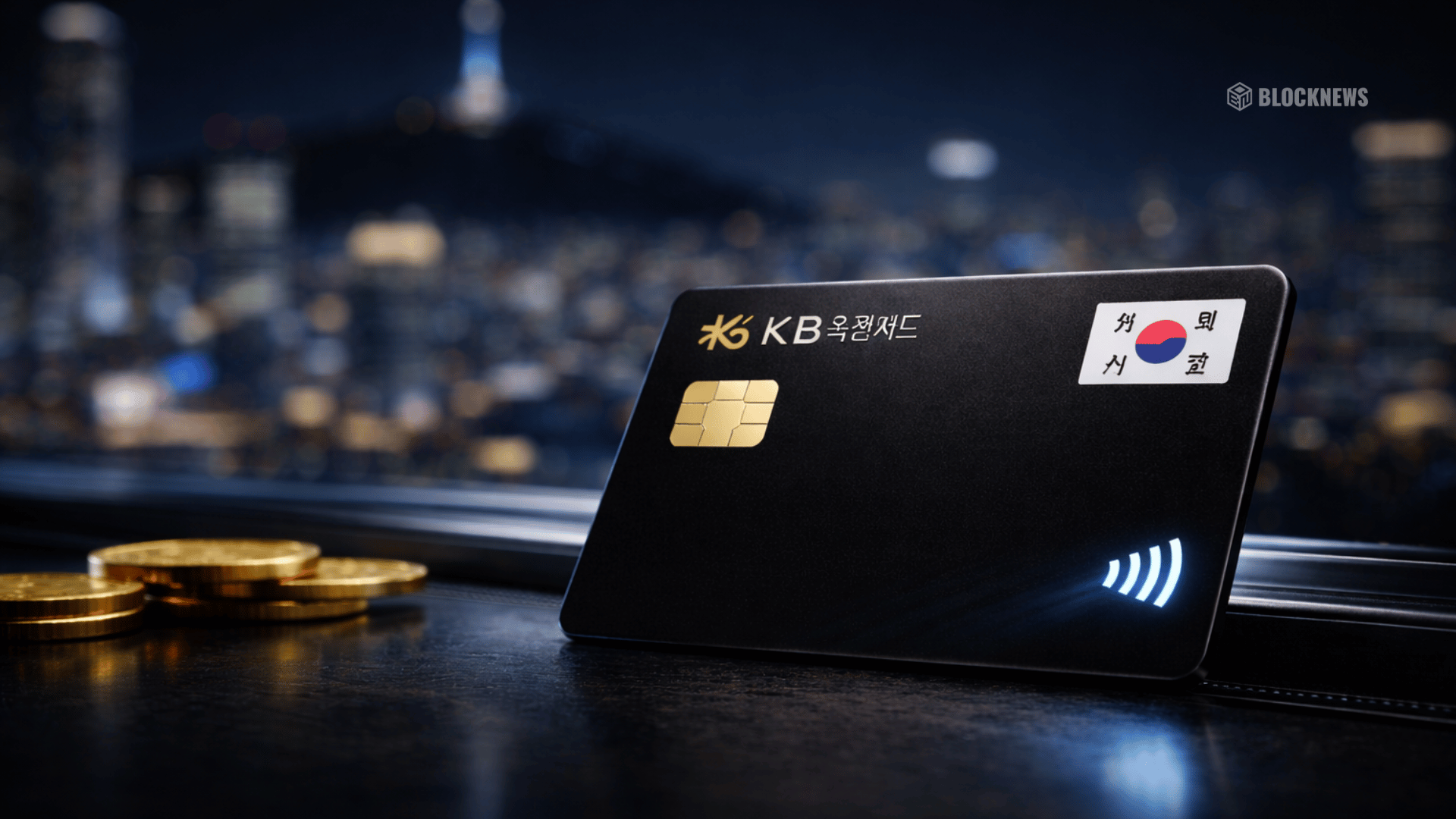
- KB Card’s stablecoin-enabled credit card is infrastructure, not a marketing stunt.
- South Korea is finalizing regulation before rolling out consumer products.
- Stablecoins may enter daily spending quietly, without changing user behavior.
At first glance, KB Card filing a patent for a hybrid credit card that supports stablecoins doesn’t feel dramatic. There’s no flashy launch, no marketing push aimed at crypto natives, and no new app to download. That’s exactly why it matters. This isn’t a crypto card trying to break into the mainstream. It’s a standard credit card quietly gaining a new capability inside South Korea’s largest financial group. When infrastructure like this gets built, it signals expectation, not experimentation.

Payments First, Speculation Later
South Korea’s approach to crypto has always leaned pragmatic, and this move fits the pattern. The country is finalizing rules for KRW-backed stablecoins, with strong political backing and lawmakers aiming to complete the framework in Q1. The order is important. Regulation comes first, then products, then adoption. Unlike markets that debate theory endlessly, Korea is laying rails before traffic arrives. KB Card isn’t guessing where policy might land — it’s positioning itself for what comes next.
Credit Cards as the Trojan Horse
Much of the crypto debate still circles wallets, self-custody, and onboarding friction. None of that applies here. Credit cards already sit at the center of consumer trust and daily behavior. By letting stablecoins settle behind the scenes while the card experience stays the same, KB removes nearly all friction. Users don’t need to understand crypto, or even care about it. They just swipe, while settlement becomes faster and cheaper under the hood.

Quiet Adoption Is the Most Powerful Kind
This patent isn’t about stablecoins going mainstream overnight or triggering speculative mania. It’s about them slipping into everyday spending quietly — groceries, transit, utilities — backed by regulation and trusted institutions. Once habits form, they’re hard to undo. By the time most people realize stablecoins are part of the system, the transition will already be complete.