- XRP is down nearly 30% in 2026 and over 60% from last year’s highs
- Ripple is shifting toward a broader ecosystem beyond payments
- Institutional adoption and regulatory clarity could support long-term growth
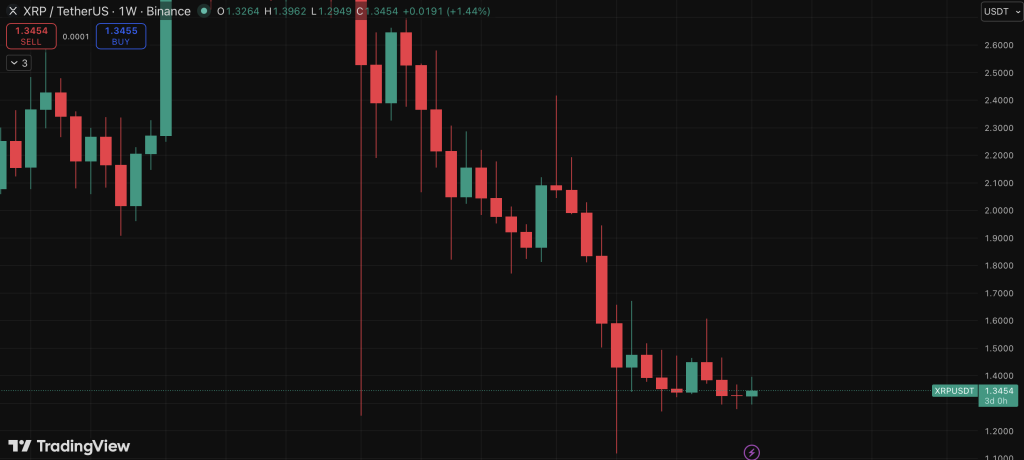
It hasn’t been a great stretch for XRP holders, not even close. Since the start of 2026, the token has dropped nearly 30%, and if you zoom out a bit further, it’s down more than 60% from last summer’s highs. That kind of decline usually shakes confidence… and it has.
But at the same time, this is exactly the kind of setup that gets long-term investors paying attention again. Not because things look strong right now—but because something underneath might be changing.
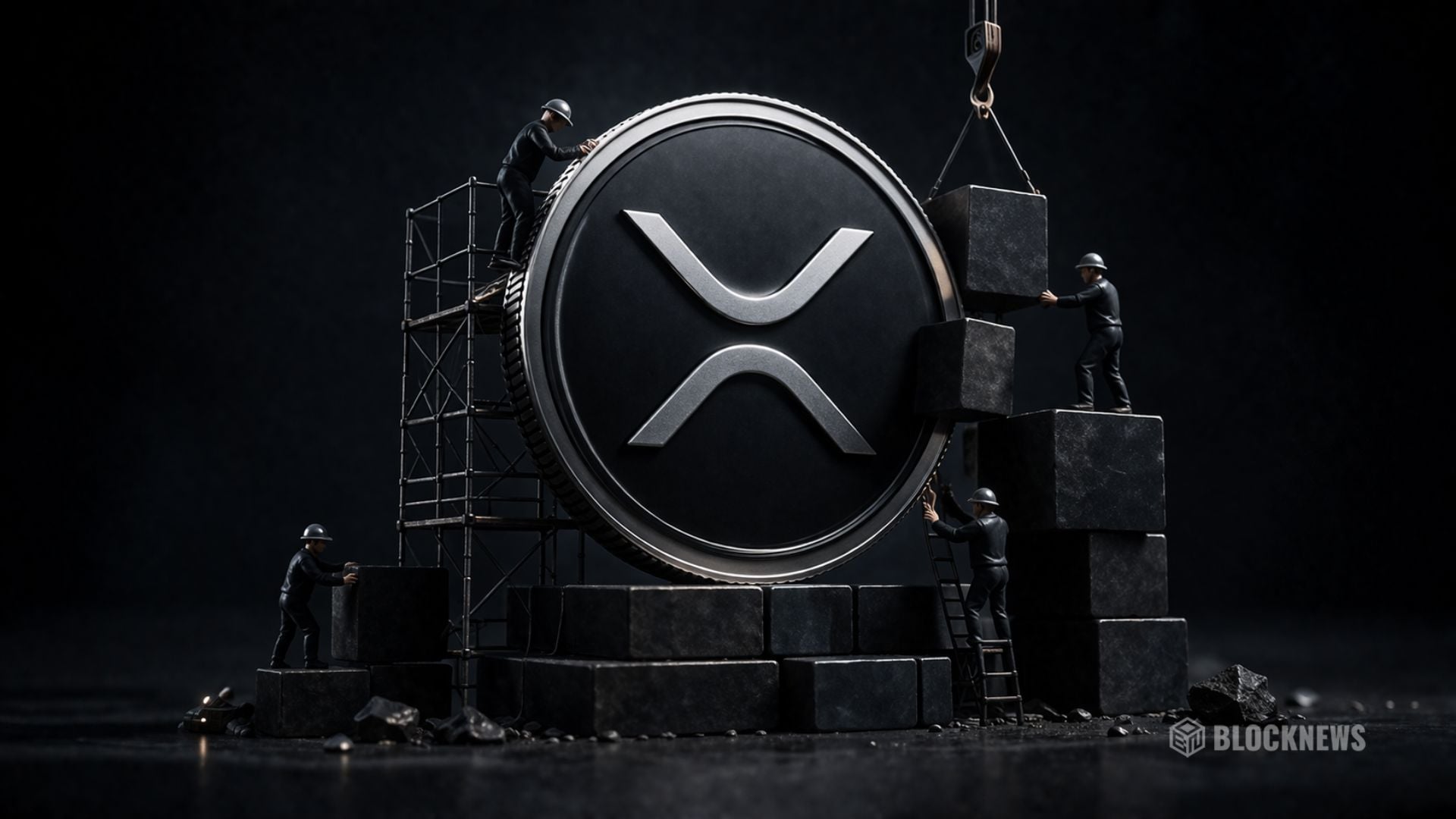
Ripple Is Slowly Becoming More Than Just Payments
For years, Ripple’s pitch was pretty straightforward. It wanted to compete with systems like SWIFT, the decades-old network banks use to move money across borders. And while that idea made sense on paper, getting institutions to switch over wasn’t easy. In fact, it barely happened at scale.
So Ripple adjusted. Instead of focusing on one use case, it started building an ecosystem around its technology. That shift matters more than people realize. It’s no longer just about payments—it’s about creating a network where other projects, tools, and services can plug in.
One example is the XAO DAO, launched to fund new projects built on Ripple’s infrastructure. It’s a small step, maybe, but it signals a bigger direction. Over time, Ripple could start to look less like a single-purpose network and more like something closer to Ethereum… broader, more flexible.
Institutional Adoption Is Starting to Look Real
One of Ripple’s biggest hurdles has always been institutional adoption. Not the idea of it—but the actual execution. Banks and financial firms don’t move fast, and they don’t jump into new systems unless they’re proven.
That’s where the ecosystem approach could change things. Instead of offering just one feature, Ripple can now provide multiple layers—compliance tools, fraud prevention, asset tokenization, even potential ETF integration. All of that makes the network more usable at scale.
And then there’s regulation. Ripple’s recent settlement with the SEC removed a major cloud that had been hanging over the project for years. At the same time, new legislation like the GENIUS Act and progress around the Clarity Act suggest regulators are shifting from resistance to implementation.
That doesn’t guarantee success… but it removes a lot of uncertainty.

The Setup Feels Risky—But Also Timely
Of course, none of this means XRP is suddenly about to explode higher. The price is still weak, momentum is still questionable, and execution still matters a lot. Ripple has a vision—but it hasn’t fully proven it yet.
Still, the combination of a lower price and a shifting narrative is what makes this moment interesting. If the ecosystem continues to grow and institutions start engaging more seriously, the current price levels might not last forever.
Or they might. That’s the risk.
A Turning Point, or Just Another Phase?
Right now, XRP feels like it’s sitting at a crossroads. The past year has been rough, no way around that. But the future is starting to look… different. Not guaranteed, not clear, but different enough to watch closely.
And sometimes, that’s where the biggest opportunities start.