- Senator Cynthia Lummis says Kraken’s Fed access advances crypto banking integration
- Banks and crypto firms could eventually merge services under one roof
- Lawmakers are considering a $300 tax exemption for small crypto payments
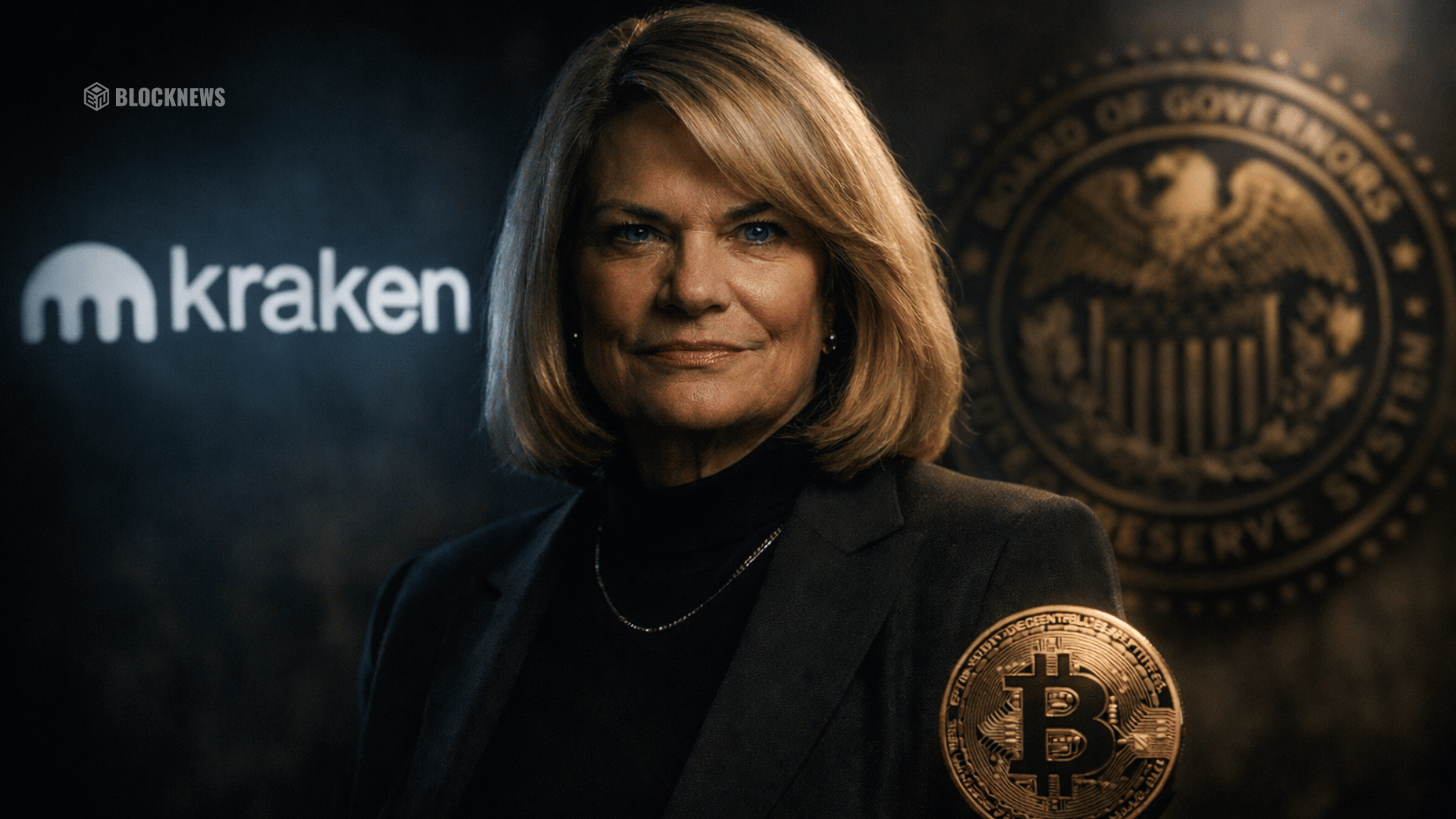
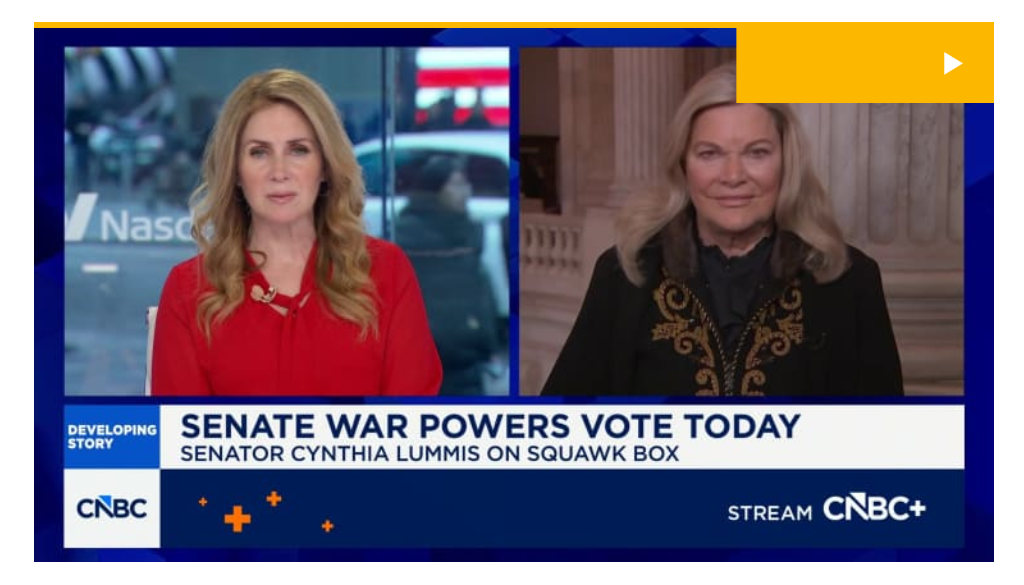
Senator Cynthia Lummis believes Kraken’s new Federal Reserve master account access represents a major step toward integrating Bitcoin with the traditional banking system. Speaking on CNBC, the Wyoming Republican said the development signals that regulators are beginning to recognize the importance of digital assets within the U.S. financial landscape.
Kraken secured the approval through Wyoming’s special-purpose depository institution framework. The move makes it the first crypto-native company to gain direct access to the Federal Reserve’s payment rails, giving it the ability to integrate digital asset operations with U.S. dollar settlement infrastructure.
Crypto and Traditional Banks May Converge
Lummis predicted that the approval could accelerate convergence between traditional banks and crypto companies. As regulatory frameworks mature, financial institutions may begin offering both fiat and digital asset services from a single platform.
In the long term, she suggested the lines between the two industries could blur. Banks may acquire crypto firms to expand their digital asset capabilities, while crypto companies could pursue banking licenses or acquisitions to gain direct access to financial infrastructure. The result, according to Lummis, could be a fully integrated financial system combining traditional currencies and digital assets.
Proposed Tax Reform for Everyday Crypto Use
Lummis also discussed a tax reform proposal aimed at making Bitcoin easier to use for everyday transactions. The legislation she introduced last year includes a potential $300 de minimis exemption for small crypto payments.

Under the proposal, transactions below that threshold would not trigger capital gains taxes. The goal is to remove a major barrier that currently discourages people from using Bitcoin and other digital assets for routine purchases. As it stands, even small transactions can technically create taxable events.
Regulatory Negotiations Continue
On the broader push for crypto regulation, Lummis said lawmakers have made significant concessions in negotiations over digital asset legislation. The House has already passed its version of a regulatory framework, but discussions in the Senate are ongoing.
According to the senator, Republican lawmakers on the Senate Banking Committee have incorporated many requests from Democratic colleagues in an effort to reach consensus. Despite those compromises, final agreement has not yet been reached.
Lummis maintains that establishing clear regulatory rules will be essential for integrating digital assets into the financial system. Developments like Kraken’s Fed access, she said, demonstrate that crypto and traditional finance are moving steadily toward a shared infrastructure.