
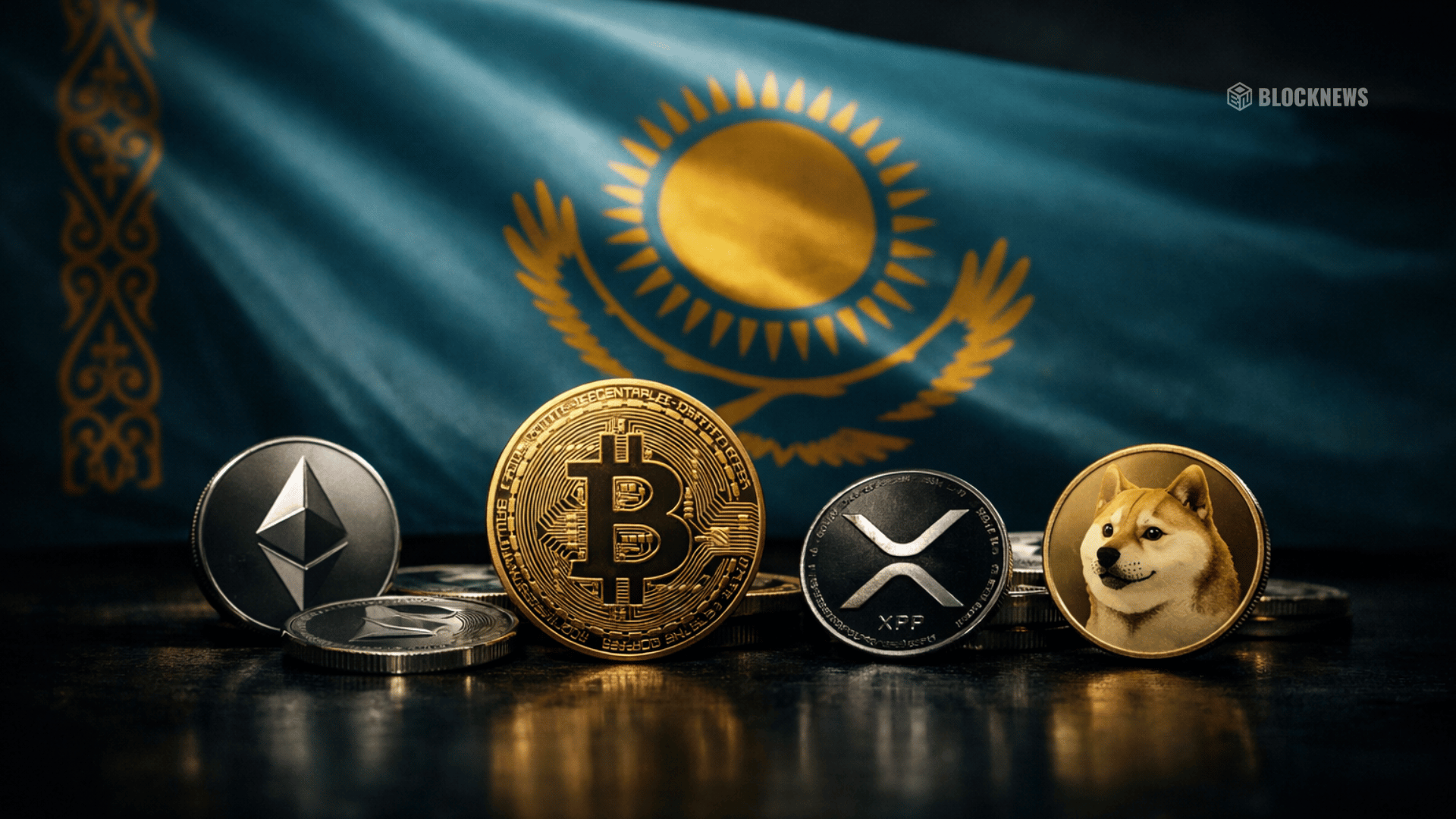
- Kazakhstan now allows crypto exchange top-ups via bank QR payments
- The U.S. is still stuck debating frameworks instead of building rails
- Faster integration abroad is turning caution into competitive drag
Kazakhstan has taken a quietly important step by allowing users to top up crypto exchange accounts directly through bank POS terminals using QR codes. This isn’t a workaround or a loophole. It’s a regulated connection between banks, licensed exchanges, and monitored payment flows. Crypto trading is being treated as a real activity that needs proper rails, not something to be tolerated at the edges.
The central bank’s position is pragmatic. People already use crypto. The role of regulation is to bring that activity into systems regulators can see, supervise, and gradually improve. This is infrastructure-first thinking, not ideology.
Regulation as an Enabler, Not a Freeze
Kazakhstan is not opening the floodgates. Crypto payments remain restricted. Asset lists are curated. Limits and compliance checks apply. But the direction is clear. Access is expanding while oversight tightens. Banks, payment firms, and exchanges are all involved in building something usable now, not waiting for perfect laws later.

This is what regulated adoption looks like when execution matters more than rhetoric. The rails get built while the rulebook continues to evolve.
Why the U.S. Is Falling Behind
The contrast with the United States is uncomfortable. In the U.S., crypto integration through banks still feels defensive. Agencies argue over jurisdiction. Banks hesitate. Lawmakers debate structure while users rely on fragmented onramps. Leadership is discussed endlessly, but implementation lags.
Kazakhstan isn’t trying to win narratives. It’s fixing plumbing. And that difference matters.
What This Signals Going Forward
Capital and users don’t wait forever. Jurisdictions that integrate crypto into everyday banking will attract liquidity, builders, and relevance. Those that stall will eventually adopt solutions built elsewhere, on terms they didn’t set.
Conclusion
Kazakhstan’s move isn’t flashy, but it’s meaningful. While the U.S. debates control and theory, smaller markets are embedding crypto into daily finance. If America wants to lead, it will need to shift from arguing to building. Otherwise, catching up becomes the plan.