- Jamie Dimon sees similarities between today’s markets and the 2005–2007 buildup
- Concerns center on excessive leverage and inflated asset prices
- AI spending and debt-fueled growth are adding new layers of risk
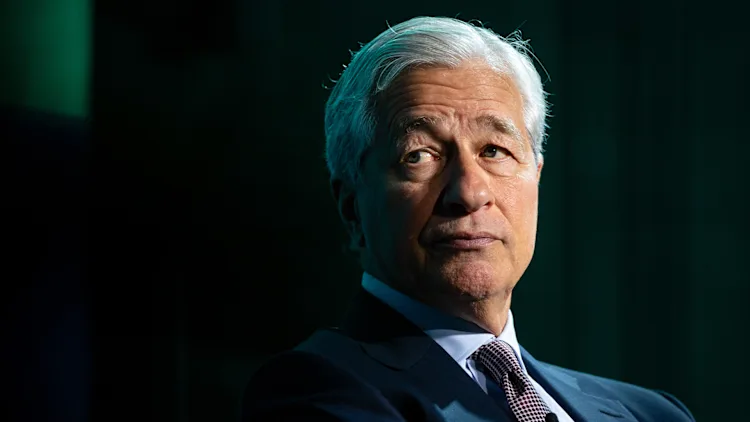
Jamie Dimon, CEO of JPMorgan Chase, has raised concerns that today’s financial environment is starting to resemble the period leading up to the 2008 financial crisis. Speaking at the firm’s annual investor day in New York, Dimon said he is observing patterns similar to those seen in 2005, 2006, and 2007 — a period marked by rising asset prices, heavy leverage, and widespread optimism.
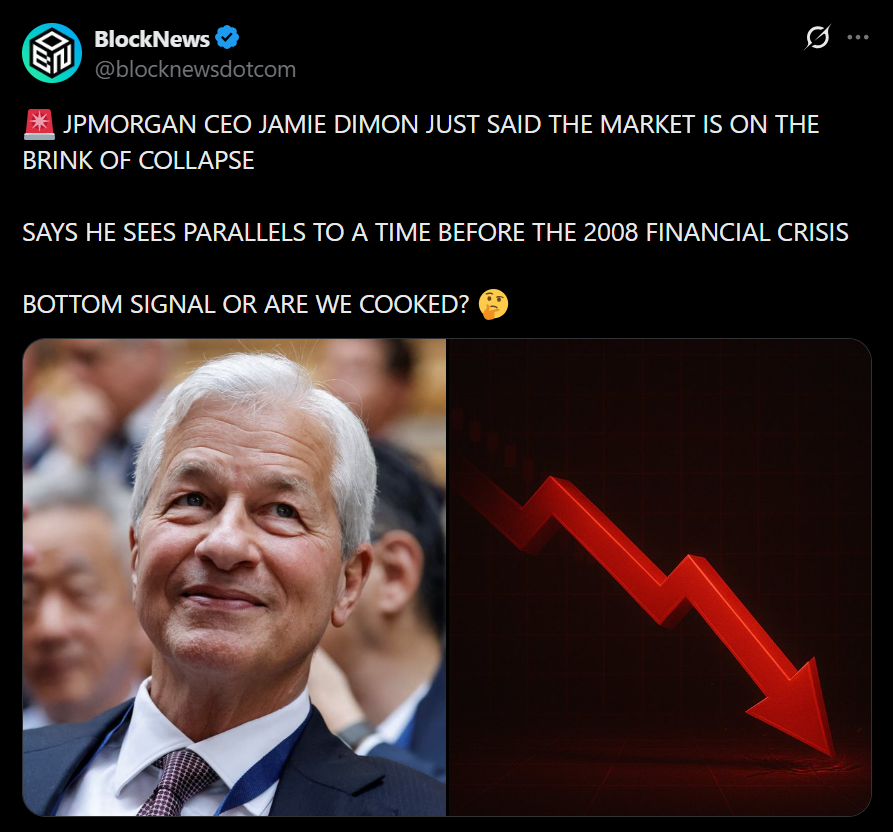
He described an environment where “the rising tide” appears to be lifting all boats, with investors and institutions making significant profits and increasing risk exposure. While he did not single out specific firms, Dimon warned that some market participants may be engaging in reckless behavior.
Leverage and Asset Inflation at the Center
Dimon’s concerns focus primarily on two factors: excessive borrowing and elevated asset valuations. In his view, banks and other financial players may once again be extending risky loans in a competitive environment where short-term gains overshadow long-term prudence.
This warning comes as asset prices across various sectors remain elevated. Equity markets have shown resilience, and alternative assets have attracted strong inflows. Historically, periods of broad optimism combined with leverage have created systemic vulnerabilities.
AI Spending Adds a Modern Twist
One key difference between now and 2008 is the role of technology investment. Major technology firms are currently engaged in an aggressive AI expansion race, spending billions of dollars to build infrastructure and secure dominance in artificial intelligence.
Much of this spending is debt-financed. While AI may prove transformative, rapid capital deployment funded through borrowing can amplify financial risk if revenue projections fall short. Dimon’s remarks suggest that concentrated investment cycles may introduce structural fragility.
Lessons From the 2008 Crisis
The 2008 financial crisis stemmed largely from risky lending practices, particularly in the housing market. Banks issued subprime mortgages to borrowers with weak credit profiles, and when defaults surged, the collapse cascaded through global financial markets.
Major institutions teetered on insolvency, with Lehman Brothers ultimately declaring bankruptcy. The U.S. government intervened with roughly $700 billion in bailout funds under the belief that certain institutions were “too big to fail.” The resulting Great Recession lasted from December 2007 to June 2009 and marked the most severe downturn since the Great Depression.
Why This Warning Matters
Dimon’s comments do not signal an imminent crash, but they highlight growing concerns about complacency. Financial cycles often appear stable until leverage and overconfidence intersect with an unexpected shock.
Markets today differ structurally from 2008, with stronger regulatory oversight and higher capital requirements. However, the underlying risks of excessive borrowing and asset inflation remain relevant.
Investors are now weighing whether today’s optimism is sustainable growth or the early stage of another overheated cycle.