- Iran reportedly requires Bitcoin payments for ships crossing Hormuz
- $1 per barrel toll applies to loaded vessels during ceasefire period
- Move signals crypto entering real-world geopolitical trade systems
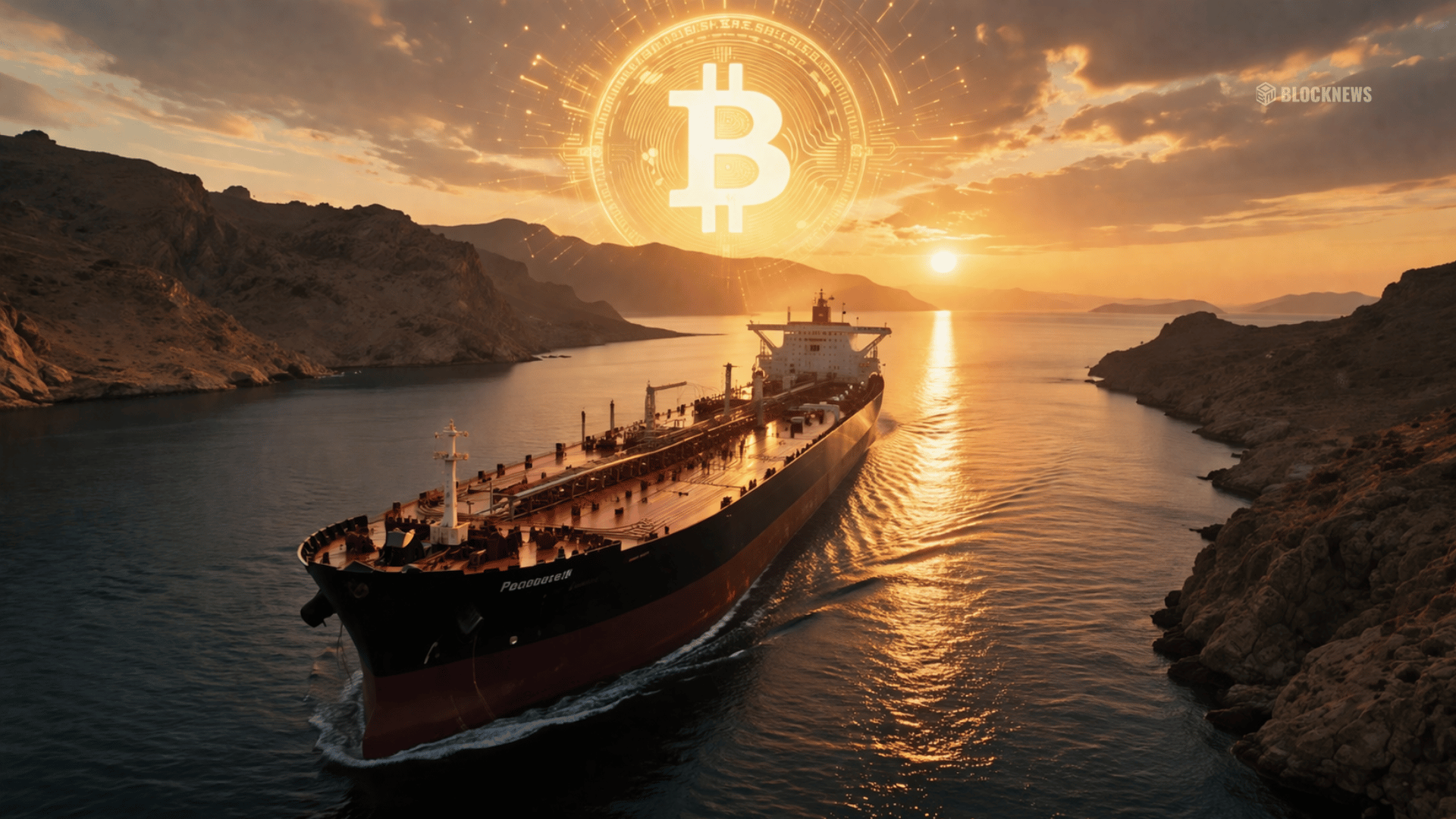
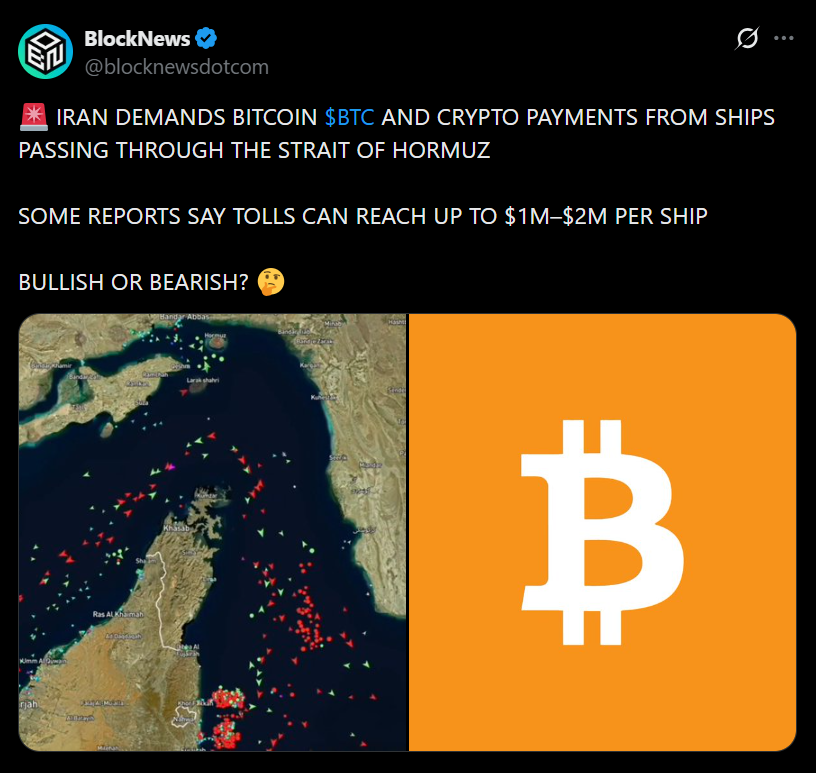
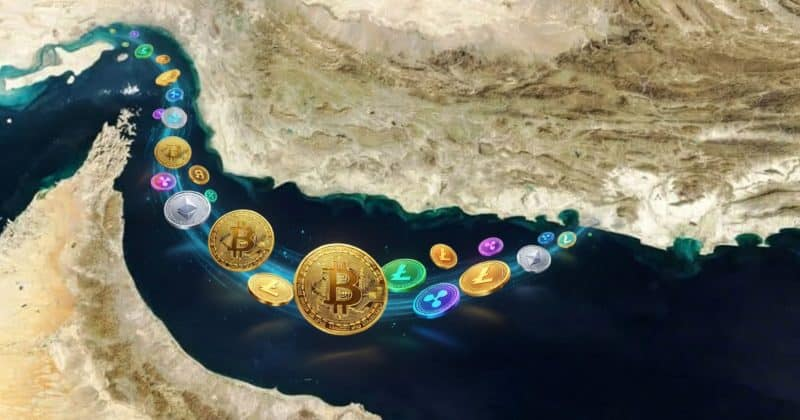
In a move that feels almost surreal, Iran is reportedly demanding Bitcoin payments from ships passing through the Strait of Hormuz. According to statements tied to its oil export sector, vessels carrying cargo must now pay a toll, roughly $1 per barrel, in crypto before being allowed to transit.
At first glance, it sounds like a one-off wartime measure. But the implications run a bit deeper than that.
Bitcoin Steps Into a Real-World Trade Route
The Strait of Hormuz isn’t just any shipping lane, it’s one of the most critical energy corridors in the world. A significant portion of global oil supply passes through it, which makes any change in how access is managed… notable.
Requiring Bitcoin as payment, even temporarily, introduces crypto into a system that has traditionally relied on state-controlled currencies and banking networks. It’s not theoretical adoption, it’s functional.
A Controlled, Slower Transit System
The process itself isn’t exactly seamless. Ships must submit cargo details, wait for approval, and then follow designated routes along Iran’s northern coastline. Only a limited number of vessels are being allowed through each day.
That bottleneck is already creating delays. Shipping firms are moving cautiously, trying to understand the rules while balancing operational risk. It’s less a smooth system and more a tightly controlled checkpoint.
Enforcement Comes With Real Consequences
What makes this situation more serious is enforcement. Reports suggest vessels that ignore the rules could face warnings, or even military action. That adds a layer of urgency for compliance, regardless of how unusual the payment method might be.
Empty ships are exempt, but loaded ones are being closely monitored, partly under the justification of preventing weapons smuggling during the ceasefire period.
Crypto as a Sanction Workaround?
There’s also a broader angle here. Using Bitcoin could be seen as a way to bypass traditional financial systems, especially in a region heavily impacted by sanctions.
Crypto doesn’t rely on banks, which makes it harder to block or control in the same way. That flexibility is exactly why it’s being considered in situations like this.
Markets Will Be Watching Closely
For now, this is still developing, and details may change quickly. But even as a short-term measure, it highlights something important, crypto is starting to appear in places it wasn’t originally designed for.
Whether this becomes a one-time event or part of a larger trend is unclear. But the fact that it’s happening at all… that’s already a shift.