

- Hoskinson criticized Ripple’s CEO for supporting the CLARITY Act as written
- Industry leaders are split between passing something now or waiting
- Stablecoin yield and regulatory authority remain the core sticking points
Cardano founder Charles Hoskinson has publicly criticized Ripple CEO Brad Garlinghouse for backing the CLARITY Act in its current form, exposing a growing divide among crypto industry leaders. The dispute highlights how fractured the industry has become over U.S. crypto legislation, especially as concerns mount that the bill could entrench unfavorable policies rather than fix them. While some executives are pushing for progress at any cost, others argue that a flawed framework could do more long-term harm than no bill at all.

Why Hoskinson Took Aim at Garlinghouse
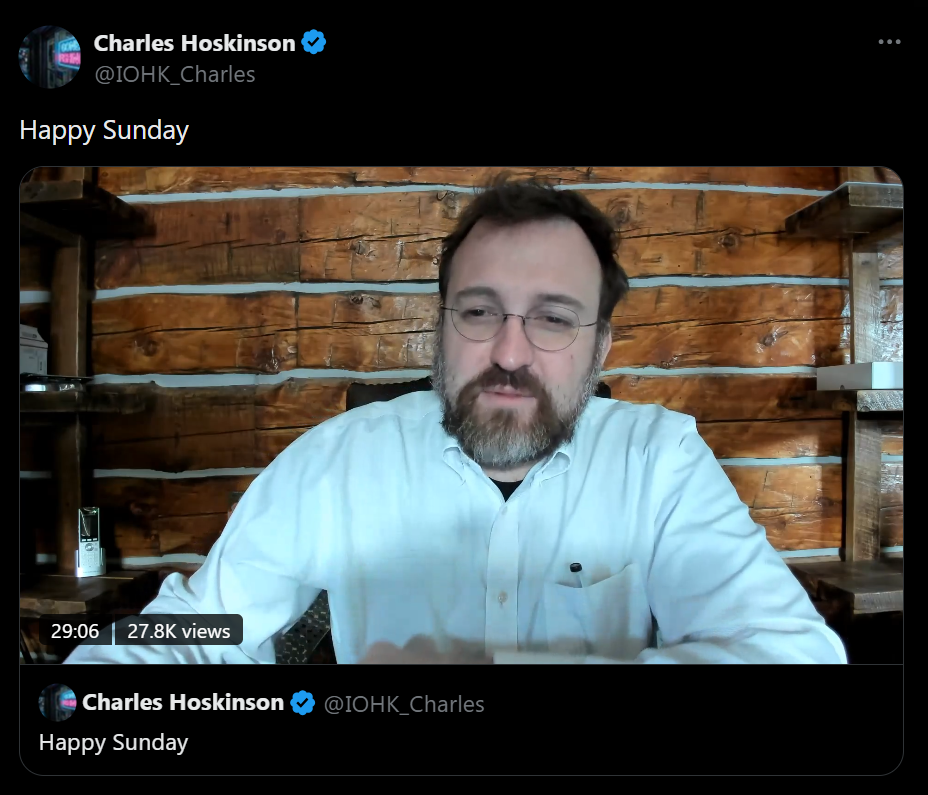
In a live broadcast on X, Hoskinson openly questioned Garlinghouse’s support for the CLARITY Act, calling it surprising given Ripple’s own history with U.S. regulators. Garlinghouse has argued that imperfect clarity is better than none, but Hoskinson strongly disagrees. He pushed back on the idea of handing more authority to the same regulatory bodies that previously sued major crypto companies, warning that doing so could repeat past mistakes under a new label.
Hoskinson’s frustration was clear. From his perspective, accepting weak legislation simply to say something passed risks locking the industry into years of unfavorable oversight with little room to course-correct.
Industry Leaders Are Split
Hoskinson’s stance contrasts sharply with views from other executives. Coinbase CEO Brian Armstrong has distanced himself from the current draft, citing serious concerns around stablecoin yield and regulatory overreach. That puts Coinbase closer to Hoskinson’s camp than Ripple’s, despite all parties nominally wanting regulatory clarity.
At the same time, optimism still exists. Galaxy Digital CEO Mike Novogratz has suggested the CLARITY Act could advance within weeks, pointing to ongoing bipartisan discussions. The divide isn’t about whether regulation is needed, but about whether this version is worth passing.
Politics Are Complicating the Path
Hoskinson has repeatedly argued that the political environment has made progress far harder. He previously blamed President Trump’s launch of memecoins for turning crypto into a partisan issue and slowing legislative momentum. He has also criticized the administration’s crypto leadership, saying accountability is lacking if the bill continues to stall. In his view, the window for meaningful reform is closing fast and could easily slip into the next quarter or beyond.
The White House and Coinbase Push Back
Amid reports that White House support for the CLARITY Act was wavering, Brian Armstrong pushed back publicly, calling those claims inaccurate. He said discussions with the administration have been constructive, though he acknowledged that unresolved issues around stablecoin yield remain the core sticking point. Journalist Eleanor Terrett stood by her reporting, noting that the White House had indeed asked Coinbase to help broker a solution on yield, underscoring just how central that issue has become.
Why This Fight Matters
The Hoskinson–Garlinghouse clash isn’t personal. It reflects a deeper question facing crypto in the U.S.: is it better to accept a compromised framework now, or risk waiting longer for something structurally sound? As the CLARITY Act hangs in the balance, that question is dividing even the industry’s most influential voices.