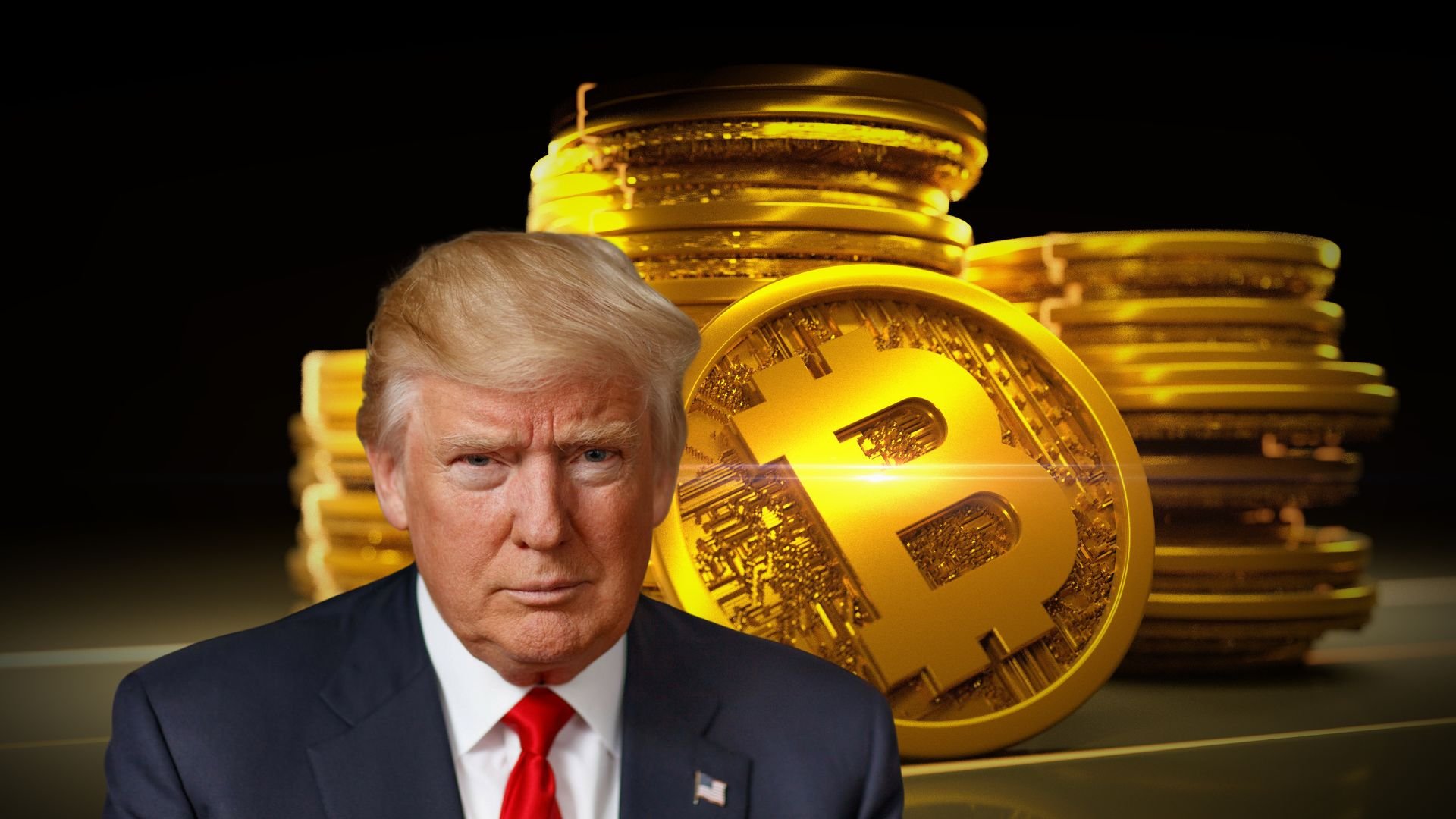
Trump Establishes Strategic Bitcoin Reserve – The U.S. government will hold Bitcoin as a permanent asset, funded exclusively through seized crypto from forfeiture cases, ensuring no taxpayer burden.
Debate Over Inclusion of Altcoins – While Trump’s reserve includes ETH, XRP, SOL, and ADA, Bitcoin supporters argue that only BTC should be recognized as a true store of value.
Institutional Confidence in Bitcoin Grows – The move reinforces Bitcoin’s legitimacy, with officials aiming for budget-neutral acquisition strategies to strengthen U.S. leadership in crypto finance.
In a historic shift for U.S. digital asset policy, President Donald Trump signed an executive order on Thursday, establishing a Strategic Bitcoin Reserve—a move that cements Bitcoin’s role as a key national asset.
Bitcoin-Powered Reserve—No Taxpayer Burden
White House Crypto & AI Czar David Sacks, a prominent Silicon Valley investor, revealed that the reserve will be exclusively funded with Bitcoin seized from criminal and civil forfeiture cases. This ensures that taxpayers won’t foot the bill, a major relief for critics wary of government spending on crypto initiatives.
Estimates suggest that the U.S. government currently holds around 200,000 BTC, though no full audit has ever been conducted. Trump’s executive order mandates a comprehensive review of federal digital asset holdings and prohibits the sale of Bitcoin from the reserve—solidifying its status as a permanent store of value.
Beyond Bitcoin, the order also creates a U.S. Digital Asset Stockpile, managed by the Treasury Department, to store other confiscated cryptocurrencies.
Bitcoin Maximalists Push Back on Inclusion of Other Cryptos
While Bitcoin supporters celebrated the move, Trump’s Truth Social post over the weekend raised some eyebrows when he announced that, in addition to Bitcoin, the reserve would also include Ethereum (ETH), XRP, Solana (SOL), and Cardano (ADA).
Bitcoin billionaire Tyler Winklevoss was quick to voice his concerns, stating:
“I have nothing against XRP, SOL, or ADA, but I do not think they are suitable for a Strategic Reserve. Only one digital asset in the world right now meets the bar, and that digital asset is Bitcoin.”
Crypto analyst Nic Carter echoed similar sentiments in an interview with CNBC, arguing that a Bitcoin-only reservewould be a global statement akin to ratifying Bitcoin as a gold-like asset.
“The U.S. is the most important nation in the world, and their stamp of approval on Bitcoin alone would solidify its status globally,” Carter noted. “Including other digital assets makes it feel more like a speculative hedge fund than a true reserve.”
Bitcoin’s Institutional Legitimacy Just Got a Boost
Ryan Gilbert, a fintech investor, believes this move sends a strong message to institutional investors that Bitcoin is here to stay.
“For over a decade, Bitcoin believers have insisted it’s the future—this move validates that.”
However, he also warned that the U.S. must be cautious in how it manages the reserve.
“The last thing we want is the government actively trading Bitcoin,” Gilbert said. “A reserve should be a long-term store of value, not a tool for market manipulation.”
A Strategic Shift for U.S. Crypto Leadership
David Sacks, who has long been vocal about the U.S. becoming the global crypto hub, called the decision a milestone in making America the “crypto capital of the world.”
He previously criticized the government’s handling of seized Bitcoin, highlighting how the U.S. lost over $17 billion in potential value by selling Bitcoin prematurely instead of holding it.
Looking ahead, Treasury Secretary Scott Bessent and Commerce Secretary Howard Lutnick will oversee the development of budget-neutral Bitcoin acquisition strategies to further expand the Strategic Bitcoin Reserve.
While some questions remain, one thing is certain—this bold shift in policy has put the U.S. at the forefront of institutional Bitcoin adoption, setting the stage for a new era in digital finance.
Disclaimer: BlockNews provides independent reporting on crypto, blockchain, and digital finance. All content is for informational purposes only and does not constitute financial advice. Readers should do their own research before making investment decisions. Some articles may use AI tools to assist in drafting, but every piece is reviewed and edited by our editorial team of experienced crypto writers and analysts before publication.
Gary has been active in the crypto space since 2019, developing hands-on experience in trading, airdrop hunting, and identifying emerging narratives in low-cap tokens. For over four years, he has contributed research and editorial content with Aiur Labs and BlockNews, focusing on market analysis and community insights. His work reflects both transparency and independent reporting, with an emphasis on simplifying complex ideas for readers. Gary is a long-term believer in Bitcoin, Sui, Hype, Litecoin, XRP, AVAX, and select meme tokens, combining personal trading knowledge with professional editorial standards.
To provide the best experiences, we use technologies like cookies to store and/or access device information. Consenting to these technologies will allow us to process data such as browsing behavior or unique IDs on this site. Not consenting or withdrawing consent, may adversely affect certain features and functions.
Functional
Always active
The technical storage or access is strictly necessary for the legitimate purpose of enabling the use of a specific service explicitly requested by the subscriber or user, or for the sole purpose of carrying out the transmission of a communication over an electronic communications network.
Preferences
The technical storage or access is necessary for the legitimate purpose of storing preferences that are not requested by the subscriber or user.
Statistics
The technical storage or access that is used exclusively for statistical purposes.The technical storage or access that is used exclusively for anonymous statistical purposes. Without a subpoena, voluntary compliance on the part of your Internet Service Provider, or additional records from a third party, information stored or retrieved for this purpose alone cannot usually be used to identify you.
Marketing
The technical storage or access is required to create user profiles to send advertising, or to track the user on a website or across several websites for similar marketing purposes.
To provide the best experiences, we use technologies like cookies to store and/or access device information. Consenting to these technologies will allow us to process data such as browsing behavior or unique IDs on this site. Not consenting or withdrawing consent, may adversely affect certain features and functions.
Functional
Always active
The technical storage or access is strictly necessary for the legitimate purpose of enabling the use of a specific service explicitly requested by the subscriber or user, or for the sole purpose of carrying out the transmission of a communication over an electronic communications network.
Preferences
The technical storage or access is necessary for the legitimate purpose of storing preferences that are not requested by the subscriber or user.
Statistics
The technical storage or access that is used exclusively for statistical purposes.The technical storage or access that is used exclusively for anonymous statistical purposes. Without a subpoena, voluntary compliance on the part of your Internet Service Provider, or additional records from a third party, information stored or retrieved for this purpose alone cannot usually be used to identify you.
Marketing
The technical storage or access is required to create user profiles to send advertising, or to track the user on a website or across several websites for similar marketing purposes.