

- U.S. introduces clearer categories for crypto assets under securities law
- Safe harbor proposal could revive early-stage crypto funding
- Regulators retain strong control through flexible enforcement powers
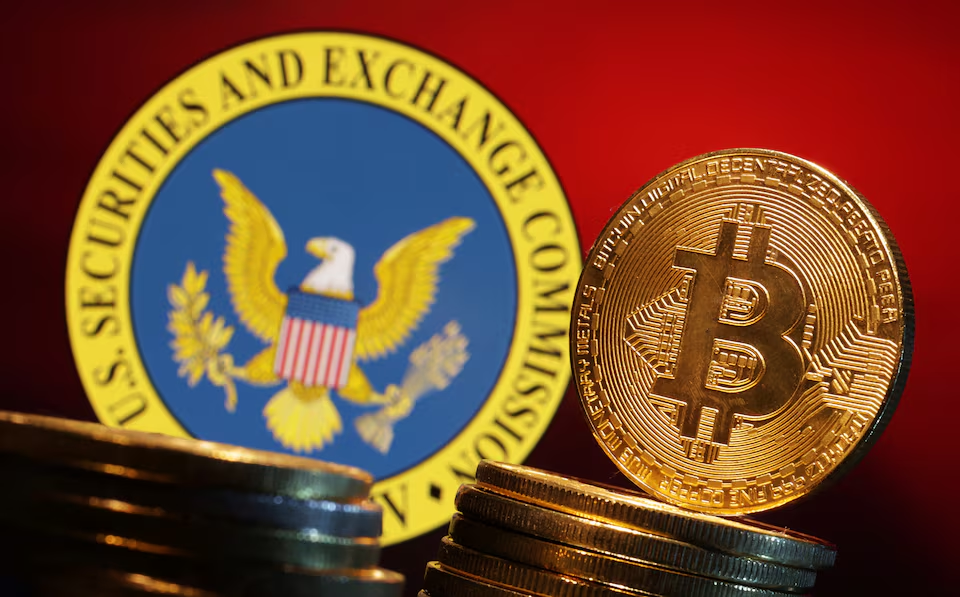
After years of uncertainty and regulation-by-enforcement, U.S. authorities have finally drawn clearer lines around how crypto assets are classified. The biggest shift is simple, but important, not every token is automatically treated as a security anymore. Instead, classification now depends on how a token is structured, issued, and presented to investors, which, honestly, changes the game more than it might seem at first glance.

For a long time, crypto in the U.S. operated in a gray zone where even well-intentioned projects could face retroactive enforcement. That uncertainty pushed capital away, or at least made it hesitant. With clearer rules now in place, behavior starts to adjust, because capital prefers structure, even if that structure comes with constraints.
Capital Formation Gets a Much-Needed Release Valve
The proposed safe harbor framework is where things start to get interesting. It gives early-stage crypto projects a defined window to launch, grow, and refine their networks before being subjected to full securities compliance. That breathing room could make a real difference, especially for smaller teams that previously faced immediate legal risk.
More importantly, it could reopen funding channels that had slowed down under regulatory pressure. Venture capital and onchain funding both rely on some level of predictability, and this framework begins to restore that. It’s not just about protecting builders, it’s about making risk measurable again, which is what investors actually care about.
Regulatory Control Hasn’t Disappeared
Despite the more optimistic tone, regulators haven’t stepped back from oversight. If anything, control has become more precise. Even tokens that fall outside traditional security definitions can still be pulled into that category depending on how they are marketed, sold, or positioned.
That keeps enforcement flexible and, at times, unpredictable. The rules may be clearer on paper, but interpretation still sits firmly with regulators. So while projects now have a roadmap, they also need to be careful, because small missteps in communication or structure could still trigger scrutiny.
Crypto Enters a More Structured Phase
This shift doesn’t represent a full victory for the crypto industry, and it’s probably not meant to. It’s more of a recalibration than a reset. The new framework rewards projects that are designed with compliance in mind from the beginning, rather than those trying to retrofit later.
For everyone else, clarity may come with tighter boundaries. The upside is that capital can flow more confidently into the space again. The tradeoff is that innovation will need to operate within more defined lines, and how projects adapt to that reality will shape the next phase of crypto growth.