- Bitcoin remains range-bound near $90,000 as institutional capital pulls back
- Long consolidation phases have historically preceded major BTC rallies
- Patience and disciplined risk management matter most in sideways markets
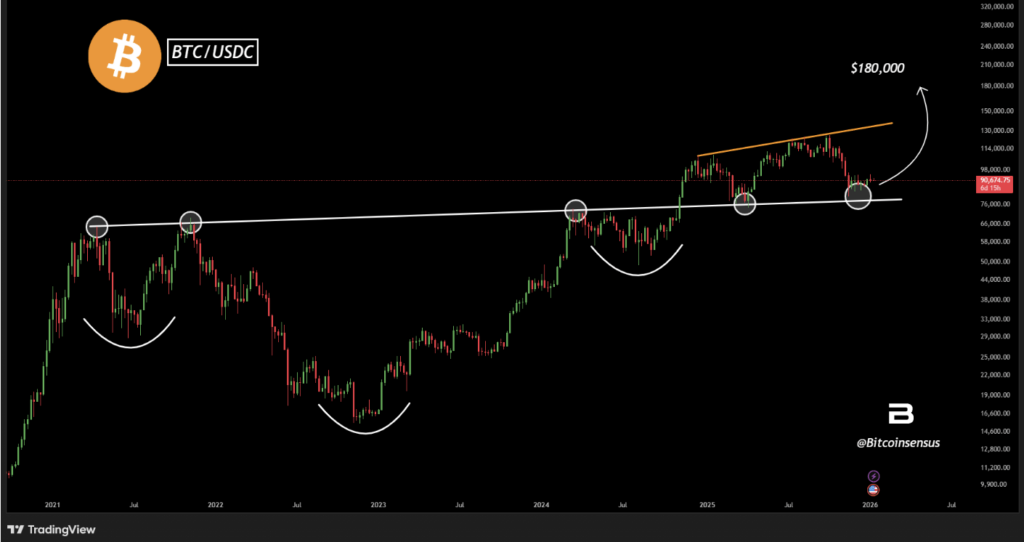
Bitcoin’s price action has slipped into a familiar, and for many traders, frustrating phase. After weeks of volatility earlier in the cycle, BTC is now hovering near the $90,000 mark, roughly 30% below its October peak around $126,000. Buyers and sellers appear locked in a stalemate, and according to a major mining firm, this sideways behavior may stick around a bit longer.
The broader backdrop doesn’t help much. Interest rates remain tight, global political tensions are simmering, and capital has been drifting toward perceived safety, especially gold. In that environment, Bitcoin isn’t collapsing, but it isn’t catching a strong bid either.
Why Bitcoin Feels Stuck Right Now
The warning comes from BitRiver, one of the larger Bitcoin mining firms that closely monitors network flows and market behavior. Miners often spot changes in demand or selling pressure before those shifts show up clearly on price charts, which is why their outlook tends to carry weight.
Put simply, Bitcoin is consolidating. That’s the market term for a long stretch where price moves sideways while traders wait for new information. Bitcoin has been in this mode for roughly 195 days, making it one of the longest quiet periods in its history. It feels slow, but it’s not unusual.
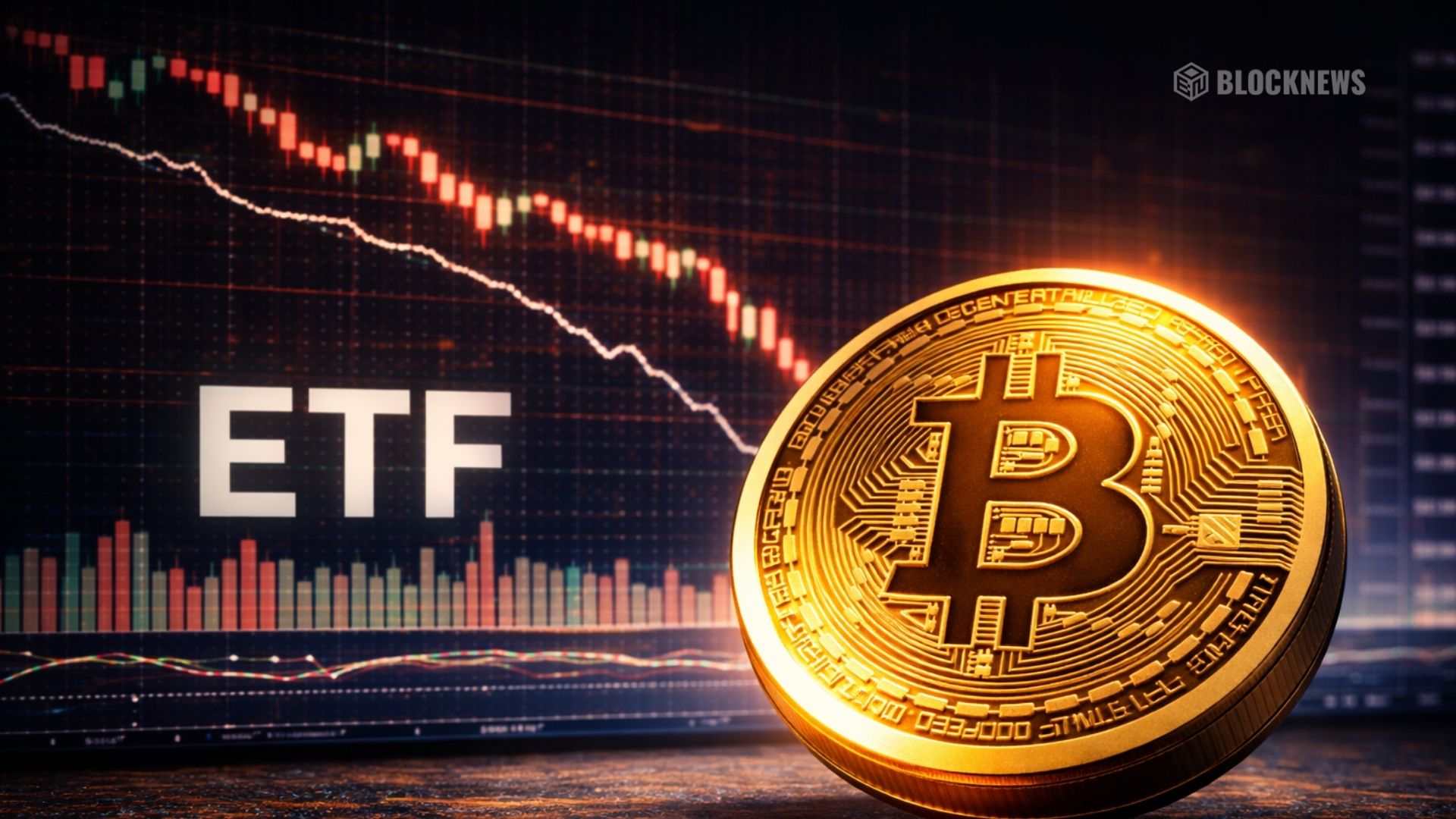
What’s missing is fresh capital. Institutional investors have been pulling money out of spot Bitcoin ETFs, with about $1.37 billion leaving between January 6 and January 9 alone. When large players step back, momentum fades quickly, even if long-term conviction hasn’t disappeared.
What This Means for Everyday Buyers
For newer investors, flat markets can feel uncomfortable. Price isn’t going up, headlines sound cautious, and it’s easy to wonder if something is wrong. Historically, though, Bitcoin has always gone through long pauses like this. The major cycles in 2013, 2017, and 2021 all included extended sideways periods before strong rallies followed.
Right now, two outside forces are shaping behavior. First, interest rates. Higher rates make cash and savings accounts more attractive, pulling money away from risk assets like crypto. Second, geopolitics. Rising global tension has pushed investors toward gold, which recently surged past $4,500 an ounce.
This is also why Bitcoin often mirrors stock market behavior. When equities freeze, crypto tends to wait. According to BitRiver, many traders are simply unwilling to make big bets until stock markets show clearer direction.
The Bigger Bitcoin Thesis Still Stands
A quiet market doesn’t mean a broken one. On-chain data shows reduced panic selling and fewer forced liquidations, signs that holders are choosing patience over fear. Supply dynamics also matter here. The 2024 Bitcoin halving cut new issuance in half, slowing supply growth in a way that historically supports higher prices over time.
Some analysts remain optimistic about the second half of 2026. If the U.S. dollar weakens or institutional money returns through ETFs, Bitcoin could regain momentum. One London-based crypto research group has even pointed to a potential strong move later in the year, though timing remains uncertain.
This isn’t a fast-money phase. Sideways markets tend to punish impatience and reward discipline, which isn’t glamorous but often proves effective.
A Simple Risk Check for Beginners
Bitcoin is still volatile, even when it looks calm. A move above $95,000 could ignite rapid upside, while a sharp global shock could push price lower just as quickly. That’s why basic rules matter. Don’t invest money you can’t afford to lose, especially rent or emergency funds.
For many beginners, the smartest approach feels boring. Learn how cycles work. Set clear rules. Use dollar-cost averaging instead of chasing headlines. Quiet markets test confidence before they reward patience.
For now, Bitcoin is waiting. History suggests that when risk appetite returns, the calm rarely lasts very long.