- Yuga Labs settles trademark dispute over RR/BAYC NFT collection
- Case centered on satire vs trademark infringement in NFTs
- Settlement avoids jury trial and reinforces NFT brand protections
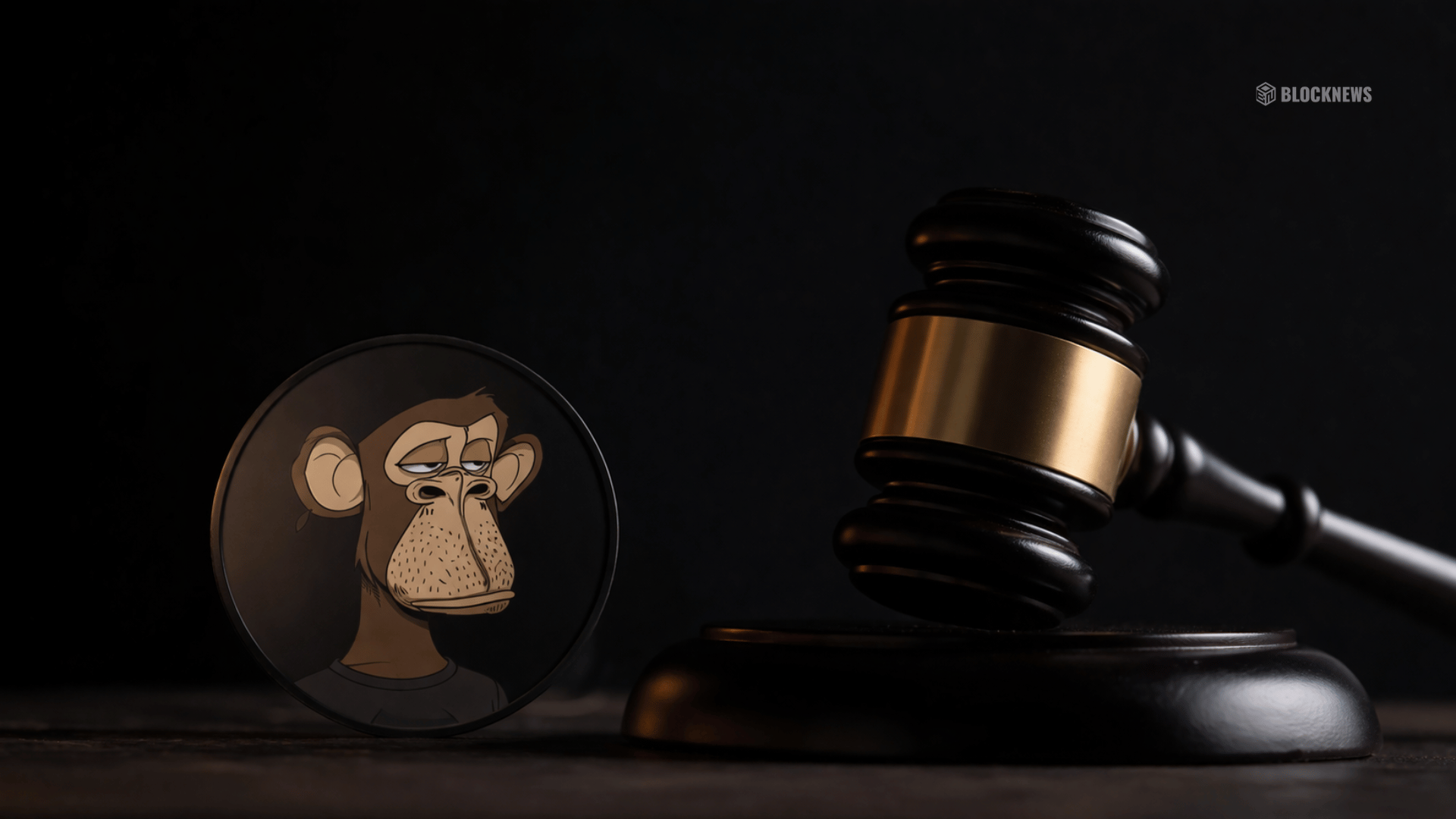
Yuga Labs has officially closed one of the NFT space’s most watched legal battles, settling its lawsuit against artist Ryder Ripps and Jeremy Cahen over their RR/BAYC collection. The project reused Bored Ape imagery, sparking a two-year fight over whether it was satire… or outright infringement.
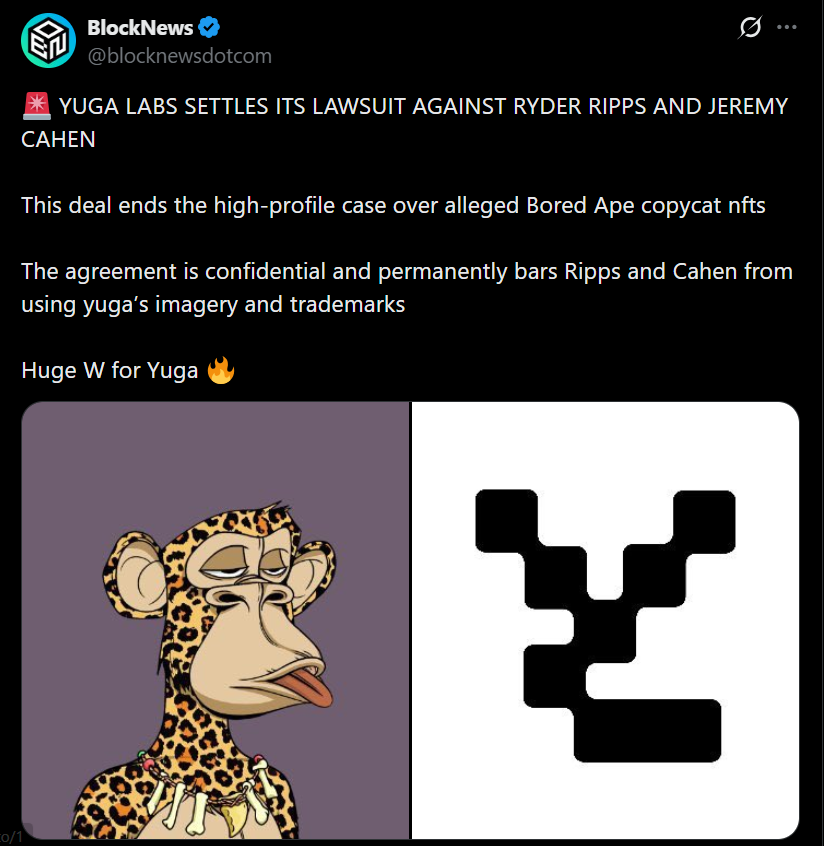
The settlement ends that debate without a final court ruling. But it still says quite a bit about where NFT ownership and IP rights are heading.
Satire vs Infringement Was the Core Fight
At the heart of the case was a familiar but messy question, where does parody end and trademark violation begin? Ripps and Cahen argued their collection was a critique of Bored Ape Yacht Club, framing it as artistic commentary.
Yuga Labs, on the other hand, saw it differently. The company claimed the project confused buyers and profited from its brand recognition. And in a market where visuals are everything, that confusion carries real financial weight.
Courts Weren’t Fully Aligned Either
The legal path wasn’t exactly straightforward. A district judge initially ruled in Yuga’s favor, awarding nearly $9 million in damages. That seemed like a clear outcome, at least for a moment.
But then an appeals court stepped in and reversed that decision, saying the case should go to a jury to determine whether buyers were actually misled. That added uncertainty, and likely pressure on both sides to settle.
The Settlement Draws a Line on Trademark Use
While financial terms weren’t disclosed, the key outcome is clear. Ripps and Cahen are now permanently barred from using Yuga’s trademarks and imagery.
That matters more than the dollar figure. It reinforces that NFT projects tied to recognizable brands can’t simply be replicated and rebranded under the label of satire without legal risk.
NFT IP Rights Are Becoming More Defined
This case highlights something bigger happening in the space. NFTs are moving beyond just ownership of tokens, they’re increasingly tied to intellectual property rights.
As brands grow stronger and more recognizable, protecting that IP becomes more important. And legal cases like this start to define where those boundaries sit.
Avoiding Trial, But Not the Bigger Question
By settling, both sides avoid a jury decision that could have set a broader legal precedent. That leaves some questions unresolved, particularly around how satire is treated in NFT contexts.
But it also reflects a practical reality. Litigation is expensive, uncertain, and slow. Sometimes ending the fight is more valuable than winning it outright.
A Signal for the Next Phase of NFTs
Bored Ape Yacht Club isn’t just a collection, it’s a brand. And this case reinforces that NFT brands are being treated more like traditional intellectual property than experimental digital assets.
That shift changes how projects operate. It raises the stakes for creators, but also adds legitimacy to the space as a whole.