

- Around 15–20% of Bitcoin miners are operating at a loss due to low hash prices
- Older mining hardware and rising costs are pushing many operators below breakeven
- BTC price recovery above $70K could ease pressure, while continued weakness may trigger further capitulation
The current hash price environment hasn’t been kind to Bitcoin miners, not even close. With hash prices sitting somewhere between $28 and $30 per PH/day, a noticeable chunk of the global mining fleet, around 15% to 20%, is now operating at a loss. That’s not a small number, and it hints at growing stress beneath the surface.
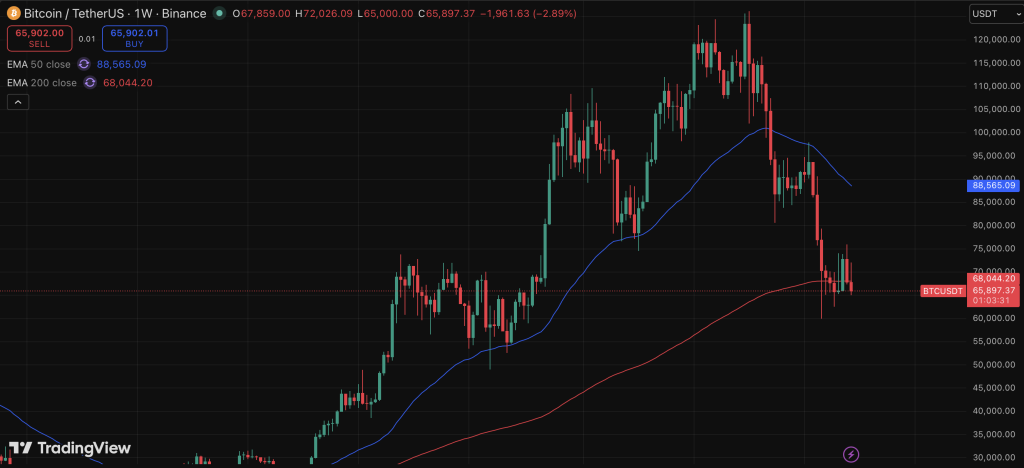
This pressure didn’t just appear overnight either. Back in Q4 2025, Bitcoin dropped sharply, nearly 31%, falling from its early October peak near $126,000 down to about $86,000 by December. Meanwhile, the network hash rate stayed elevated, which only made things worse, pushing hash prices down to post-halving lows.
Older Mining Hardware Feels the Squeeze
For miners running mid-generation rigs, especially anything below the S19 XP, things have become increasingly difficult. Unless they’re getting electricity at extremely low rates, somewhere under $0.05 per kWh, many are now facing negative cash flow. That’s a tough spot, and it’s forcing some operators to rethink their entire setup.
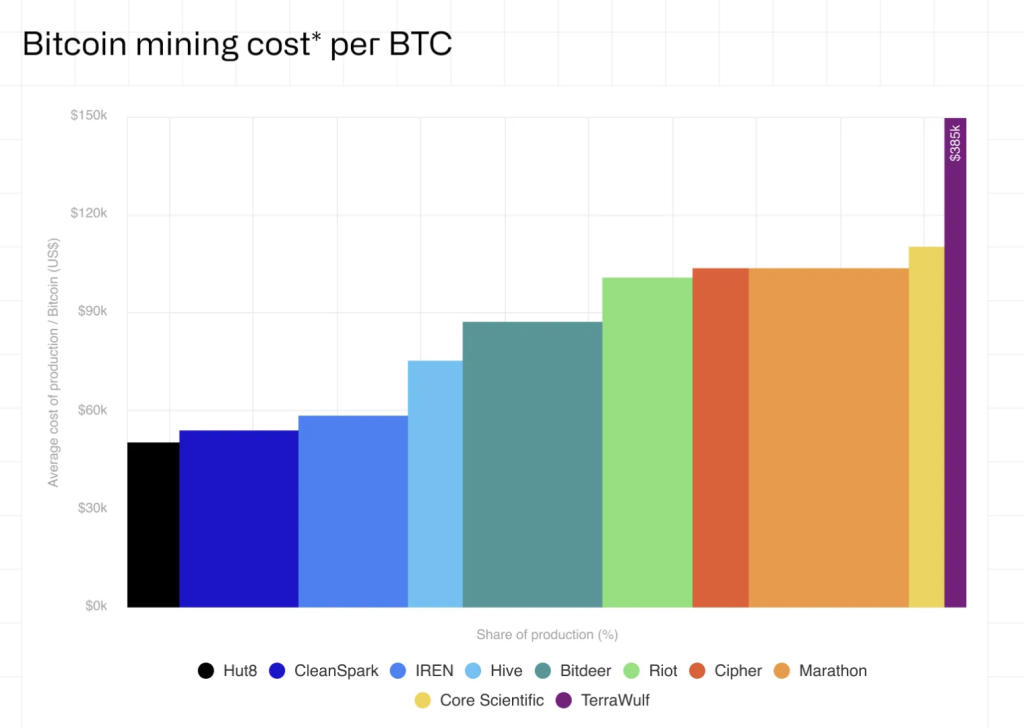
CoinShares estimates that roughly one-sixth to one-fifth of the global mining capacity is now below breakeven levels. That kind of imbalance tends to shake weaker players out over time, especially those relying on older equipment or higher energy costs. It’s not exactly a collapse, but it’s definitely a squeeze, slow and persistent.
Rising Costs and Network Difficulty Add Pressure
Production costs haven’t stayed still either. The average cost to mine one Bitcoin for publicly listed companies climbed to around $79,995 in Q4 2025, which is quite high when compared to current conditions. Electricity costs, depreciation tied to AI and high-performance computing infrastructure, and rising network difficulty have all contributed to that increase.
Interestingly, the network also saw three consecutive negative difficulty adjustments toward the end of 2025, something that hasn’t really happened since mid-2022. That’s often interpreted as a sign of miner capitulation, where less efficient participants start dropping off. And in colder regions, especially where energy costs spike during winter, mining has become even less economical.
Diversification Becomes a Survival Strategy
With margins tightening, some miners are starting to shift strategies, not entirely abandoning Bitcoin, but branching out. There’s been a noticeable move toward AI and high-performance computing workloads, which tend to offer more stable and sometimes higher returns. It’s a practical pivot, especially when mining alone no longer guarantees profitability.
Still, despite all this pressure, the Bitcoin network itself hasn’t collapsed. Hash rate peaked around 1,160 EH/s in October 2025, then dipped about 10% into early 2026. That drop wasn’t dramatic, more like a recalibration, influenced by uneconomic operations shutting down and even regulatory inspections in regions like Xinjiang.
Stronger Players Hold While Others Exit
By early March 2026, the network stabilized near 1,020 EH/s, suggesting that stronger operators are still very much in the game. Those with access to cheaper energy, better infrastructure, or next-gen ASICs continue to mine profitably, even as others struggle. It’s a bit of a survival-of-the-fittest scenario, honestly.
At the same time, publicly listed miners have started reducing their Bitcoin holdings, likely to manage tighter margins. Companies like Core Scientific, Bitdeer, and Riot have already sold portions of their reserves, which says a lot about current conditions.
What Needs to Change for Relief
Right now, recovery largely depends on Bitcoin’s price. At around $30 per PH/day, only the most efficient miners are staying above water, while older setups continue to bleed. If BTC can hold above $70,000 consistently, that could ease some of the pressure.
But if prices stay weak for too long, more miners may be forced offline, leading to further capitulation. It’s a delicate balance, and for now, the sector feels like it’s holding on, but just barely.