- The Bangko Sentral ng Pilipinas (BSP) has introduced stricter token listing requirements for licensed crypto platforms.
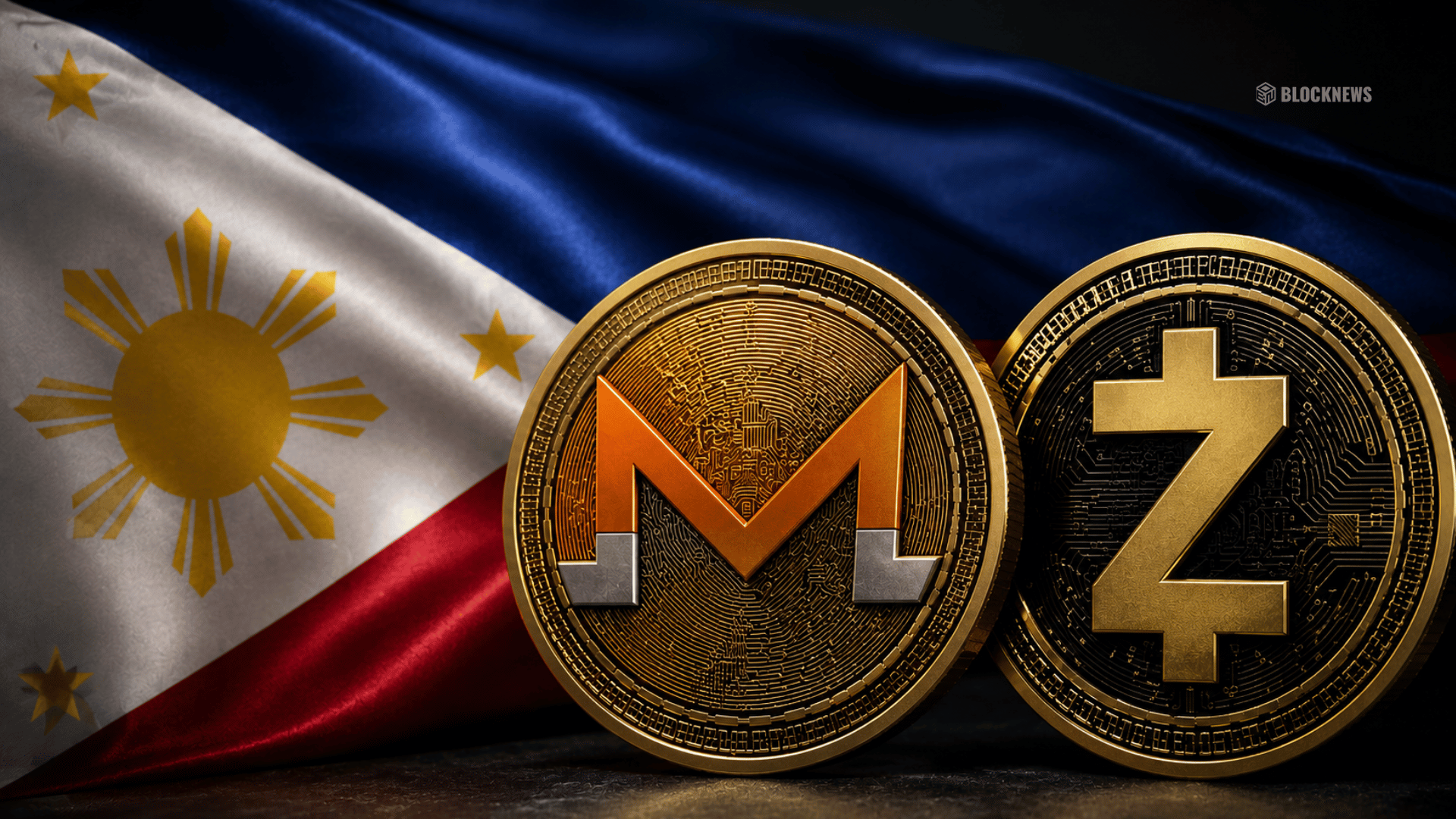
- Privacy-focused cryptocurrencies such as Monero and Zcash are effectively barred from being listed by regulated exchanges.
- The move signals the country’s continued push toward a more regulated and compliance-focused crypto market.
In a newly issued memorandum, the Bangko Sentral ng Pilipinas (BSP) directed all licensed Virtual Asset Service Providers (VASPs) to implement stricter screening, accreditation, and monitoring procedures before offering cryptocurrencies to customers. The central bank says the objective is straightforward: strengthen consumer protection, improve market integrity, and reduce risks tied to digital asset trading.
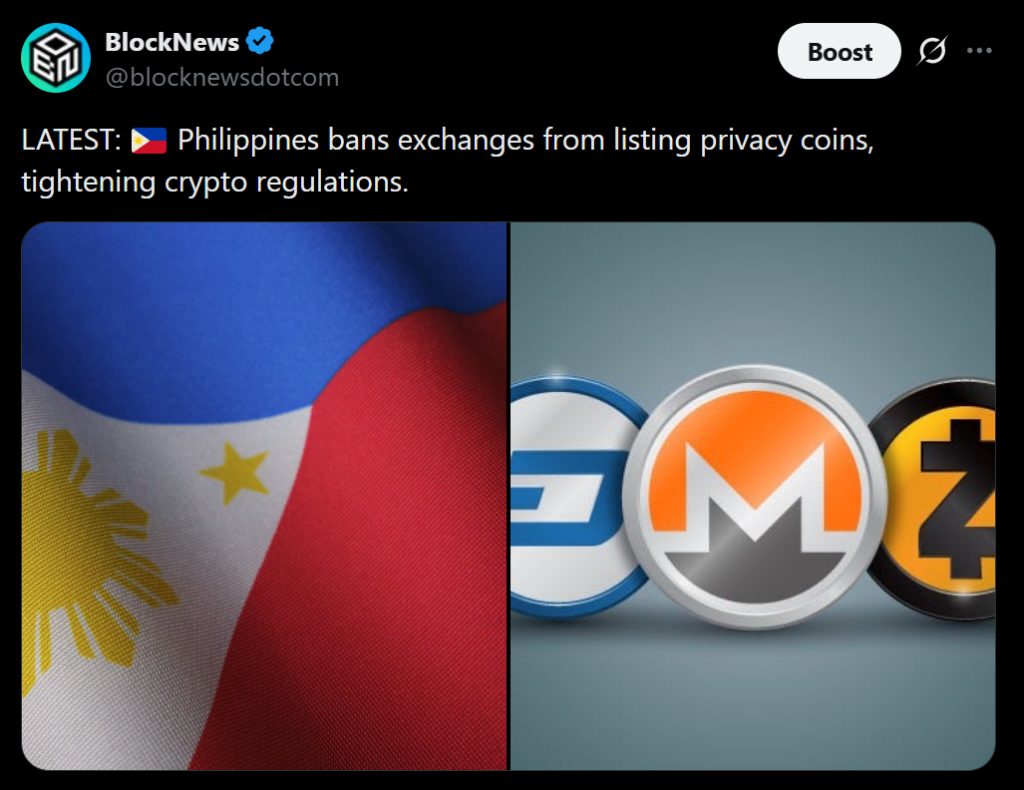
The new framework also delivers a significant blow to privacy-focused cryptocurrencies. Assets designed to obscure transaction details, often referred to as privacy coins, will no longer be allowed on BSP-regulated platforms.
New Listing Standards Raise The Bar
Under the updated rules, crypto exchanges and other licensed VASPs must conduct extensive due diligence before listing any digital asset.
The BSP wants platforms to move beyond simple listing reviews and establish formal accreditation procedures that evaluate the legitimacy, transparency, security, and overall viability of each token before it becomes available to retail investors.
But the requirements don’t stop there.
Platforms must continuously monitor listed assets even after approval. If certain risk thresholds are breached, exchanges may be required to suspend trading or completely remove an asset from their platform.
Those triggers include severe liquidity problems, issuer insolvency, major security breaches, scams, misleading disclosures, de-pegging events, or reputational issues that could put customers at risk.
In short, listing a token is no longer a one-time decision. It becomes an ongoing responsibility.
Privacy Coins Face A Major Setback
One of the most discussed aspects of the BSP memorandum is its prohibition on anonymity-enhancing cryptocurrencies.
Projects such as Monero (XMR), Zcash (ZEC), and similar privacy-focused assets are now effectively excluded from regulated crypto platforms operating under BSP supervision.
The decision reflects growing concerns among regulators worldwide regarding anti-money laundering compliance and transaction transparency.
Not everyone views the move the same way.
Alden Yburan, Head of Crypto at GCash, largely supported the tighter listing standards, arguing that stronger due diligence should already be standard practice for any platform serving retail customers.
At the same time, he acknowledged the complexity surrounding privacy-focused assets.
Privacy remains one of crypto’s original principles, and projects like Monero and Zcash were created to provide users with greater financial confidentiality. However, regulators continue to prioritize transparency, particularly in countries with large remittance markets like the Philippines.
That tension between privacy and compliance isn’t likely to disappear anytime soon.
Crypto Firms Must Answer To Two Regulators
The Philippines now operates under a dual-regulator structure for digital assets.
The BSP oversees Virtual Asset Service Providers that facilitate payments, transfers, and transaction services. Meanwhile, the Securities and Exchange Commission (SEC) regulates Crypto Asset Service Providers (CASPs) that may offer investment-related products or securities. That means many crypto businesses must satisfy both regulators independently. The SEC has already taken an aggressive stance in recent months.
Last year, the commission introduced new CASP regulations requiring local registration, minimum paid-up capital of approximately ₱100 million, local data storage, and reporting obligations to both the SEC and the Anti-Money Laundering Council.
Shortly afterward, regulators blocked access to several major offshore exchanges, including OKX, Bybit, Kraken, and KuCoin. Industry leaders have argued that these requirements create advantages for licensed domestic operators while gradually pushing users toward compliant platforms.
Binance’s Return Still Faces Regulatory Hurdles
Meanwhile, Binance continues trying to re-enter the Philippine market.
The exchange has been working with local partner BlockShoals Technologies Inc., which received preliminary approval through the SEC’s StratBox regulatory sandbox program. However, the BSP has clarified that participation in the sandbox does not replace the need for a full VASP license.
According to the central bank, neither Binance nor BlockShoals currently holds BSP authorization to operate as a licensed Virtual Asset Service Provider. The SEC has also narrowed its classification of Binance, referring to the company as a global crypto-asset service provider rather than a licensed VASP. Under current requirements, BlockShoals must integrate with a licensed local VASP before onboarding users through Binance-related infrastructure.
Conclusion
The BSP’s latest rules mark another major step in the Philippines’ evolving crypto regulatory framework. By imposing stricter listing requirements, banning privacy-focused assets, and strengthening ongoing oversight, regulators are clearly prioritizing compliance and consumer protection over rapid market expansion.
For crypto platforms, the message is clear: regulatory expectations are rising. For investors, the changes could mean fewer high-risk assets but potentially stronger safeguards. As one of the world’s most active crypto markets continues to mature, the Philippines appears determined to build a digital asset ecosystem that operates under increasingly strict rules rather than regulatory gray areas.