
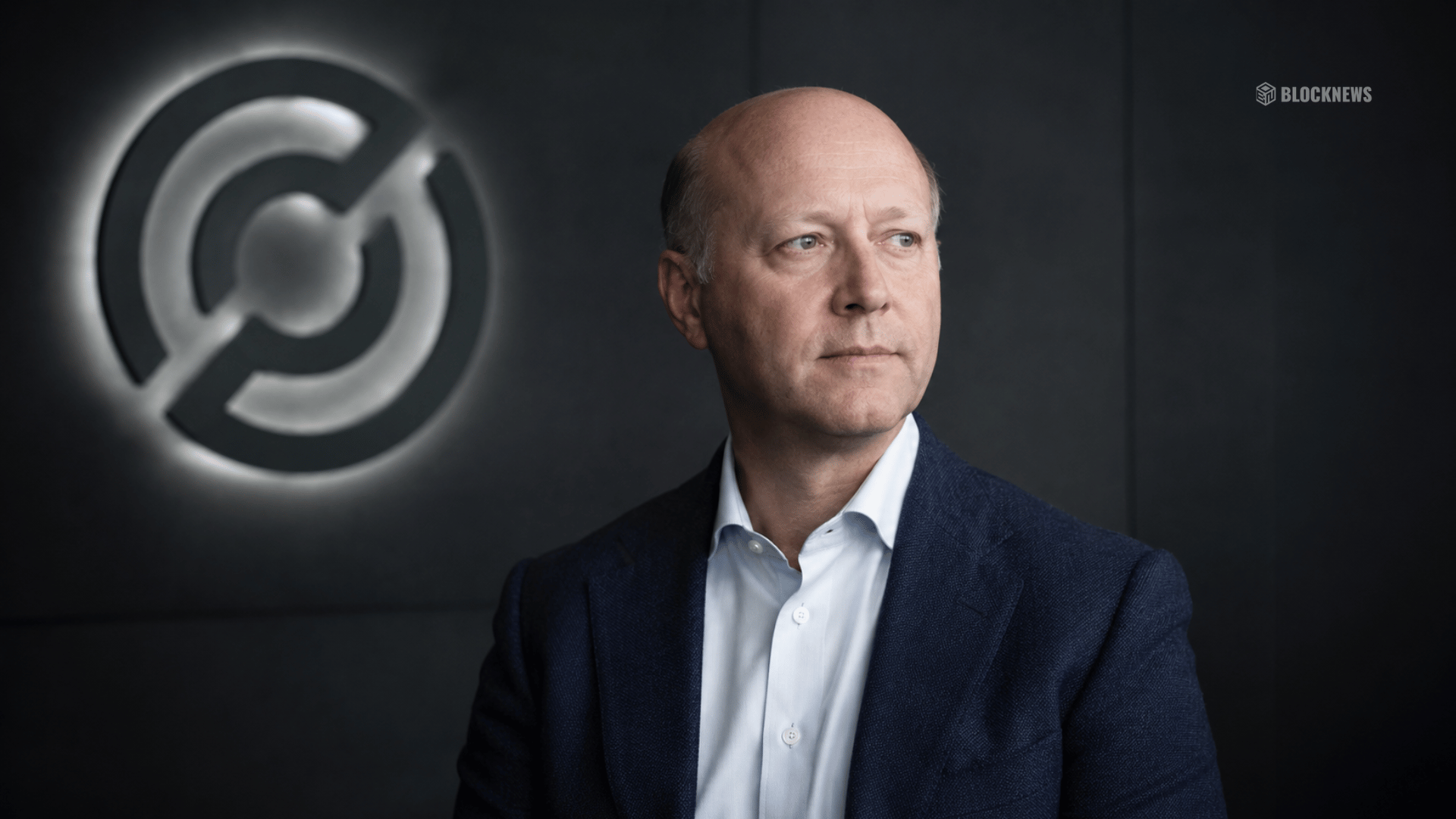
- Circle CEO Jeremy Allaire says major financial institutions now have digital asset mandates
- Stablecoins and tokenized finance are becoming key priorities for banks and payment firms
- Crypto’s next major growth phase may center on infrastructure instead of speculation
Crypto may finally be entering its most important phase yet, and ironically, it looks a lot less like memecoin mania and a lot more like traditional finance quietly rebuilding itself underneath the surface.
Circle CEO Jeremy Allaire said this week that “literally every financial institution in the world” now has some form of digital asset mandate internally. That’s a remarkable shift considering many banks spent years treating crypto like a toxic mix of regulatory headaches and internet gambling culture.

Now, suddenly, everybody wants blockchain infrastructure. Funny how that works.
Stablecoins Are Becoming The Real Story
According to Allaire, the biggest driver behind institutional interest is not speculative trading or volatile crypto assets. It’s stablecoins, tokenized finance, and blockchain-based payment infrastructure capable of modernizing financial systems that still move surprisingly slowly in 2026.
Banks and payment companies increasingly see blockchain rails as a way to improve settlement speed, reduce cross-border friction, streamline treasury operations, and create programmable financial systems that operate far more efficiently than traditional legacy infrastructure.
Circle’s USDC stablecoin sits directly in the middle of that conversation. The company continues positioning regulated digital dollars as foundational infrastructure for modern financial systems rather than purely speculative crypto products.
And honestly, the pitch makes sense from a banking perspective. Most institutions are not interested in chasing meme coin volatility. They are interested in faster settlements, lower operational costs, and new revenue opportunities tied to digital financial products.
Banks Don’t Love Crypto — They Love Efficiency
One important distinction here is that traditional finance still does not necessarily embrace the ideological side of crypto. Most large institutions are not suddenly becoming decentralization maximalists overnight.
What they do love, however, is efficiency. They like programmable money, automated settlements, tokenized assets, and financial systems that reduce operational friction while opening new markets.
That’s why stablecoins increasingly function as crypto’s “Trojan horse” into traditional finance. They offer many of blockchain’s practical advantages without requiring institutions to fully embrace the volatility or philosophical culture historically tied to crypto markets.
Nobody inside JPMorgan is seriously asking how to integrate Dogecoin into pension infrastructure. But tokenized dollars moving instantly across global settlement rails? That conversation is happening everywhere now.

Regulation Quietly Changed Everything
The shift also reflects how dramatically the regulatory environment evolved over the past year. For a long time, unclear rules around stablecoins and tokenized assets kept major financial institutions hesitant about deeper blockchain involvement.
Now, many jurisdictions are gradually providing more structured legal frameworks around digital asset infrastructure, making it easier for banks and payment firms to move forward without feeling like they’re stepping into regulatory minefields blindly.
That clarity removed one of the largest barriers preventing broader institutional participation previously. And once large financial firms believe infrastructure investment is politically and legally survivable, adoption tends to accelerate quickly.
Crypto’s Next Cycle May Look Completely Different
What’s becoming increasingly obvious is that crypto’s next major growth cycle may not resemble previous retail-driven bull runs at all. Less laser-eye profile pictures. More backend settlement infrastructure. Less obsession with speculative hype alone. More focus on tokenized financial systems quietly integrating into global banking operations.
Ironically, the technology many dismissed as speculative chaos may ultimately become invisible infrastructure powering parts of traditional finance itself.
The industry spent years asking when banks would come to crypto. At this point, it increasingly looks like crypto is slowly being absorbed directly into banking instead.