
- Analyst links XRP to broader theories about global financial system changes
- Narrative combines Spielberg remarks with claims about hidden technology
- XRP positioned as a potential bridge in a future digital financial infrastructure
A crypto analyst known as BullRunners (@BullRunnersHQ) recently shared a rather layered narrative, one that mixes comments attributed to filmmaker Steven Spielberg with broader claims about hidden technologies and, somehow, the future of global finance. It’s not your typical market take, honestly, it leans more speculative, almost cinematic in tone. At the center of it all sits XRP, positioned as a key piece in what the analyst describes as a coming shift in how money, assets, and systems operate worldwide.
Spielberg Remarks Spark Speculation
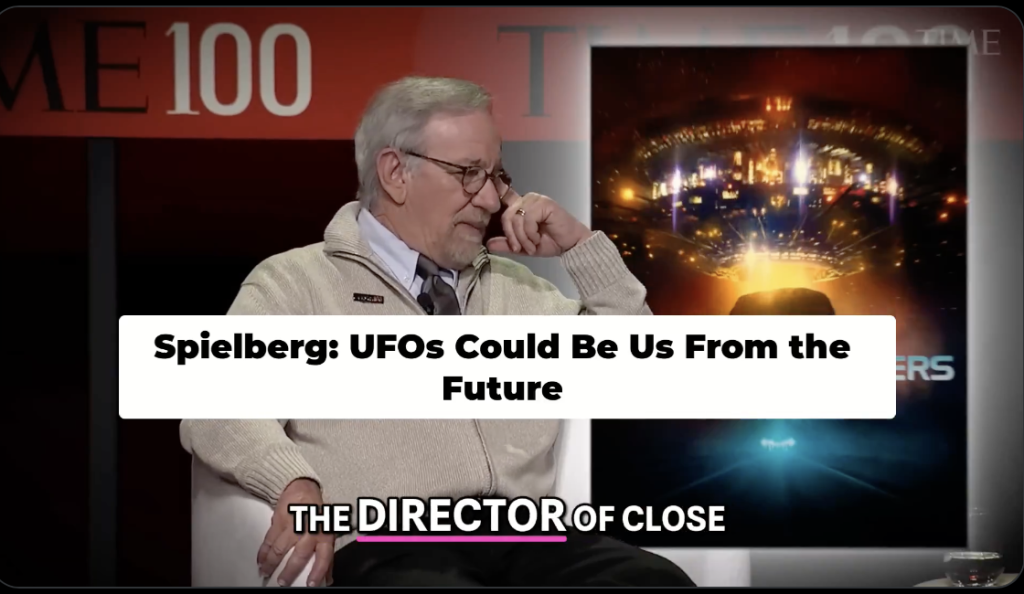
The video tied to the thread references statements attributed to Spielberg, where he suggests there may be undisclosed information not yet shared with the public. In that clip, he mentions that certain officials, including senators, have been briefed on matters they believe people are ready to understand, which, depending on how you take it, raises more questions than answers. There’s also a moment where a question is floated, “What if it’s us from the future?” which, well, definitely adds a different kind of tone to the discussion.
BullRunners uses these remarks as a starting point, framing them as hints of something bigger, though it’s not exactly clear how directly they connect. Still, the narrative leans into that ambiguity, encouraging viewers to think deeper, or at least pause for a second before moving forward.
Hidden Technology and Control Themes
From there, the argument shifts into the idea that advanced technologies, things like UFO-related systems, time manipulation, or even consciousness-linked developments, might already exist but remain hidden. According to the narrative, the release of such technologies would only happen once a new financial framework is fully in place, which feels like a pretty big assumption, but it’s part of the storyline.
There’s also a focus on control, specifically the idea that controlling access to technology means controlling its impact. That concept is then tied back to finance, suggesting that a new system could allow for transaction tracking, asset tokenization, and programmable money tied directly to individuals. It paints a picture of a highly interconnected system, one that manages not just money, but access itself, though again, it’s presented more as a theory than a confirmed direction.
XRP Positioned Within the Bigger Picture
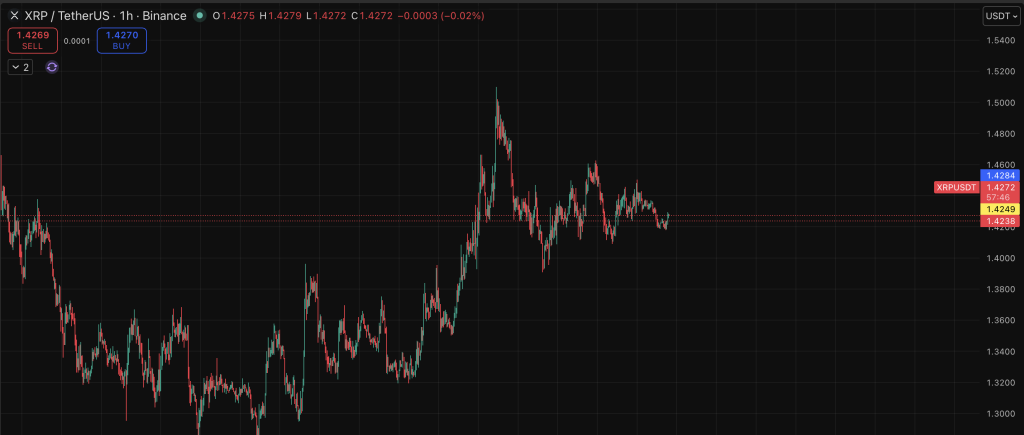
At the core of this narrative sits XRP, described as a bridge between traditional banking systems and a new digital infrastructure. BullRunners points to elements like the U.S. debt clock and global financial indicators, suggesting they hint at a broader shift in how value might be measured in the future, moving beyond just fiat currencies.
There’s also mention of global initiatives like Agenda 2030 and the ISO 20022 financial messaging standard, both of which are real developments, though their connection to XRP’s role is more interpretive here. The argument is that XRP’s compatibility with ISO 20022, combined with Ripple’s existing partnerships, places it in a position to potentially play a larger role, though that’s still a matter of perspective depending on who you ask.
A Timeline Built on Pressure and Transition
The narrative wraps up by pointing to growing global debt, concerns raised by financial figures like Ray Dalio, and declining trust in traditional systems as signs of pressure building beneath the surface. According to BullRunners, these factors suggest that the current financial structure may eventually need to evolve, or be replaced altogether.
In that context, the XRP Ledger is presented as a possible solution, capable of handling fast, cross-border transactions while supporting tokenized assets. The claim, essentially, is that its design aligns with what a future system might require, though it remains speculative and open to interpretation. It’s an interesting perspective, no doubt, but one that sits somewhere between analysis and theory, depending on how far you’re willing to follow it.