

- Tennessee bans Bitcoin ATMs, giving operators until July 1 to comply
- Law targets rising scams, especially those affecting older Americans
- More U.S. states are exploring similar restrictions as fraud cases grow
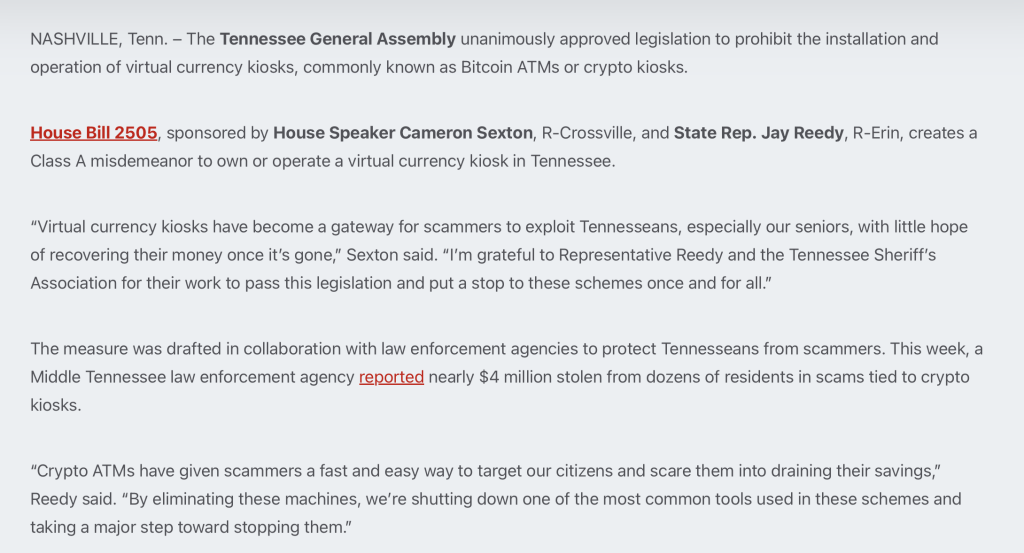
Tennessee has taken a firm, maybe even abrupt step, becoming the second U.S. state to outlaw Bitcoin ATMs entirely. The move makes it a criminal offense to own or operate these machines, which authorities have increasingly tied to scams, especially those targeting older residents. Under House Bill 2505, signed by Governor Bill Lee on April 13, operators have until July 1 to shut everything down, no exceptions really.
Lawmakers Point to Rising Fraud Concerns
The bill, introduced earlier this year, was backed by Republican representatives Cameron Sexton and Jay Reedy, both vocal about the risks tied to these kiosks. Sexton described them as a growing gateway for scammers, noting how easily seniors are being manipulated into sending funds they’ll likely never see again. Around that same time, local officials flagged a disturbing case where victims lost roughly $4 million to fraudsters pretending to be law enforcement, which, honestly, says a lot.
Harsh Penalties and Widespread Presence
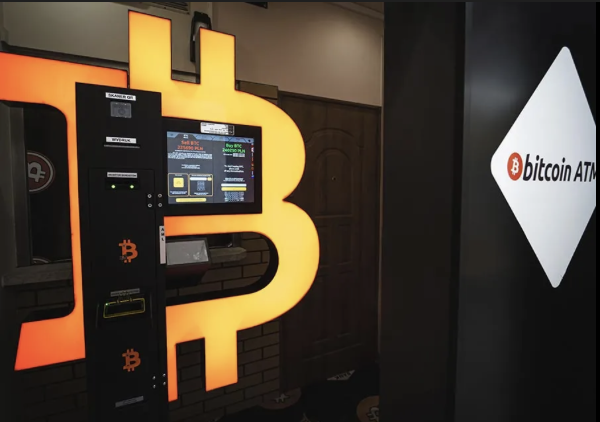
Reedy echoed similar concerns, saying these machines give criminals a quick and effective way to scare people into draining their savings. The law itself is short, just two pages, but the consequences are not light, classifying violations as a Class A misdemeanor, on par with offenses like simple drug possession or domestic assault. Tennessee currently has around 651 Bitcoin ATMs scattered across the state, mostly concentrated in Nashville, tucked into everyday spots like gas stations, liquor stores, and even smoke shops.
A Broader Trend Across the U.S.
The crackdown isn’t happening in isolation, either, it reflects a wider trend as scams tied to crypto ATMs continue to rise. FBI data shows Americans over 60 lost $257 million through these scams last year, a sharp 58% jump, while younger victims under 30 lost significantly less at $6.6 million. Indiana already moved first with a full ban back in March, and now other states like Minnesota are considering similar measures, suggesting this issue is far from settled.