- Tether launches wallet using usernames instead of complex addresses
- Supports USDT, Bitcoin, gold tokens, and Lightning payments
- Brings a direct consumer product to over 570 million users
Sending crypto has always felt a bit more complicated than it should be, almost unnecessarily so. You copy a long string of characters, double-check it, then check it again, and still hesitate before hitting send, just in case something goes wrong.
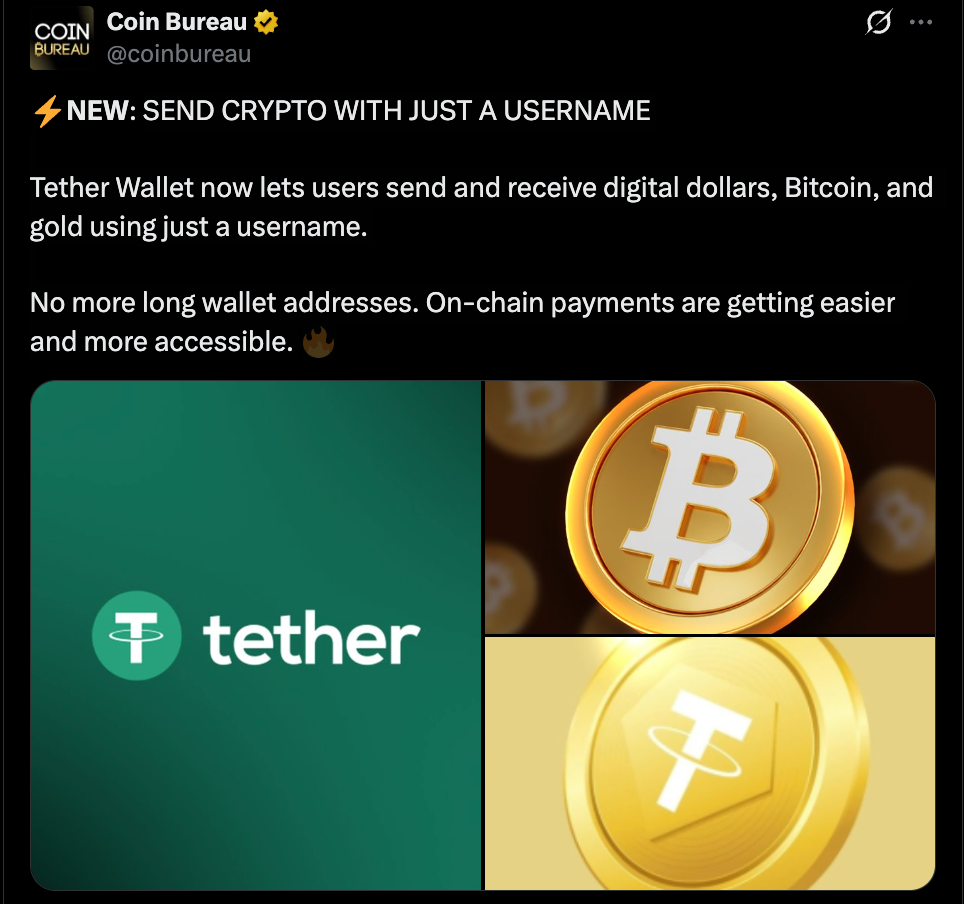
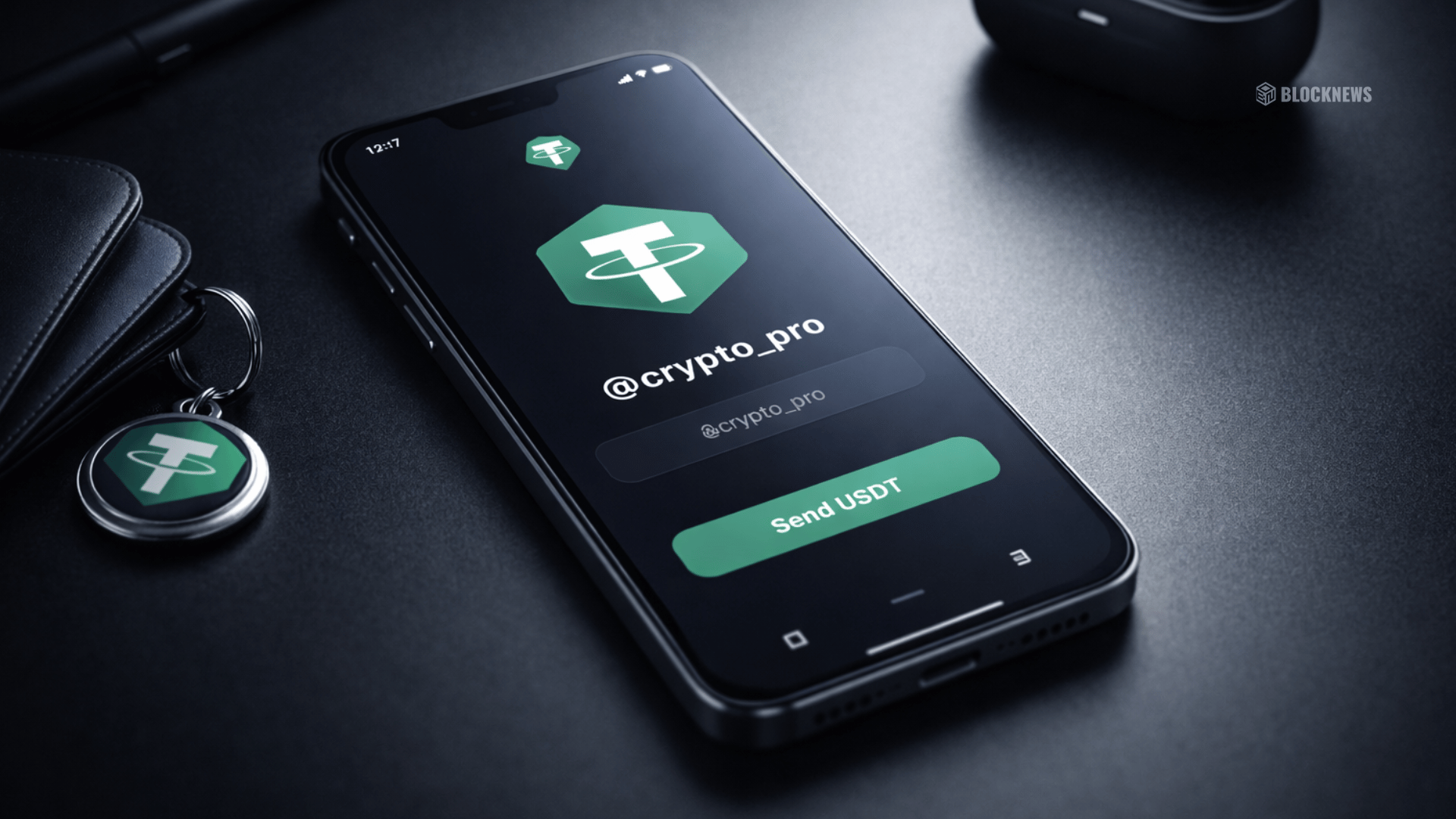
Tether’s new wallet is trying to fix that, and honestly, it might be one of the simplest ideas with the biggest impact. Instead of wallet addresses, users can now send funds using usernames like name@tether.me, which feels a lot closer to how normal payments should work.
What the Wallet Actually Does
Under the hood, the wallet supports a wide range of assets, including USDT, Bitcoin, tokenized gold through XAUT, and even Lightning Network payments for faster Bitcoin transfers. It’s built to work across multiple blockchains, which quietly removes another layer of friction users usually have to deal with.
There’s also a small but important improvement, users can pay transaction fees in the same asset they’re sending, instead of needing a separate gas token. That alone removes one of the most confusing parts of crypto for new users, the whole “why do I need ETH to send USDT” problem.
A Bigger Shift for Tether
This isn’t just another product launch, it signals a shift in how Tether positions itself in the market. For years, it mostly operated behind the scenes as infrastructure, powering liquidity across exchanges, but now it’s stepping directly into the consumer space.

By offering a self-custodial wallet, Tether is putting control back into users’ hands while also tapping into its massive existing reach. With over 570 million users already interacting with its ecosystem, the distribution is already there, now it just has a front-end people can actually use.
Making Crypto Feel Normal
Crypto has struggled with usability since the beginning, and most fixes have been technical rather than practical. This approach feels different because it focuses on how people actually behave, not just how systems are designed.
It won’t solve every issue overnight, but replacing complex addresses with simple usernames is the kind of change that makes crypto feel less intimidating. And if adoption really depends on ease of use, this might be one of those quiet turning points people look back on later.