
- Meta is restructuring its metaverse efforts after heavy losses and weak adoption
- Horizon Worlds’ shift toward mobile reflects a gap between VR ambition and user behavior
- Yuga Labs’ Otherside now has a clearer path to shape the metaverse narrative
Meta Platforms is no longer treating the metaverse as its core growth story. Horizon Worlds, once central to its VR push, is being removed from the Quest store and shifted toward a mobile-first experience.
While Meta initially planned to fully remove VR support, it reversed course after feedback from existing users, keeping limited VR functionality while prioritizing mobile. The move suggests Meta is maintaining the platform rather than expanding it.
The financial backdrop is significant. Since 2020, Reality Labs has generated more than $80 billion in losses, including multi-billion dollar quarterly deficits. Adoption has lagged as well. Horizon Worlds never moved beyond a few hundred thousand monthly users, and monetization has remained minimal despite millions of mobile downloads.
Where the Thesis Fell Apart
Meta’s strategy relied on VR as the main gateway. That hasn’t played out. Headset adoption remains limited, and demand has not scaled as expected. Layoffs, studio closures, and restructuring inside Reality Labs reflect that shift.
The product also leaned heavily on centralized control. Users could interact and build, but ownership and economic upside were constrained within Meta’s system. Platforms like Roblox show that participation tends to grow when creators have incentives and flexibility, though even there, growth took years.
Meta tried to accelerate adoption through investment. Engagement did not follow.
What Otherside Is—and Why It’s Different
Yuga Labs entered the metaverse conversation from a very different starting point. Instead of building a platform first and hoping users would come, Yuga built a large, engaged community through NFT ecosystems like Bored Ape Yacht Club, then extended that into Otherside metaverse.
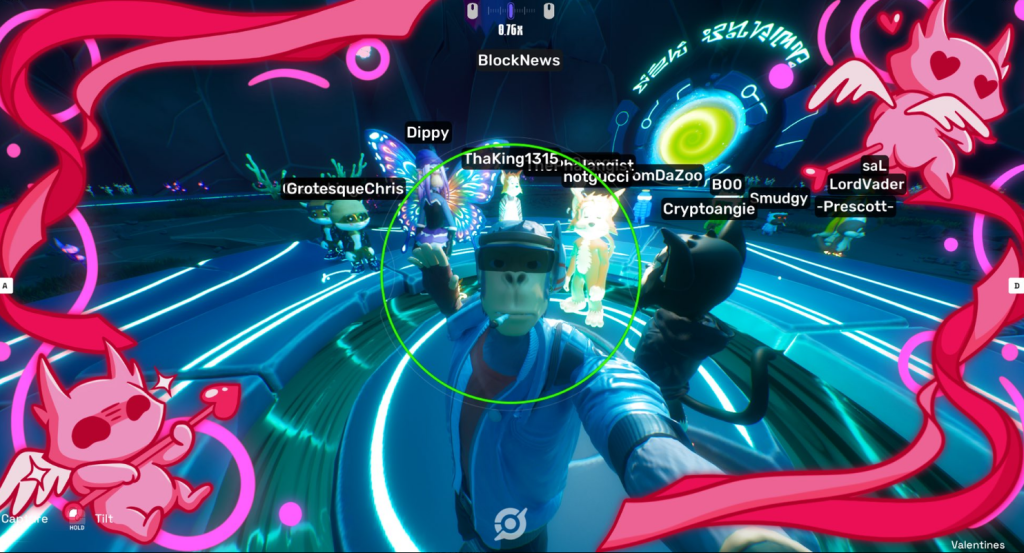
Otherside is designed as a persistent virtual world tied to digital ownership. Land parcels (Otherdeeds), avatars, and in-game assets are meant to be owned by users and potentially interoperable across experiences. The project blends gaming, social interaction, and digital economies, with a focus on participation rather than passive use.
This approach changes the starting conditions. Users are not just signing up—they already have a stake in the ecosystem. That alignment can matter more than technical sophistication in early-stage platforms.
Why This Is Bullish for Otherside
Meta’s pullback removes the largest and most visible corporate competitor in the metaverse category. For years, the concept itself was closely tied to Meta’s vision. With that anchor weakening, the narrative becomes more open.
At the same time, Meta’s experience highlights what may not work: heavy reliance on VR hardware, top-down control, and unclear user incentives. Otherside is not dependent on a single device and is structured around ownership from the outset.
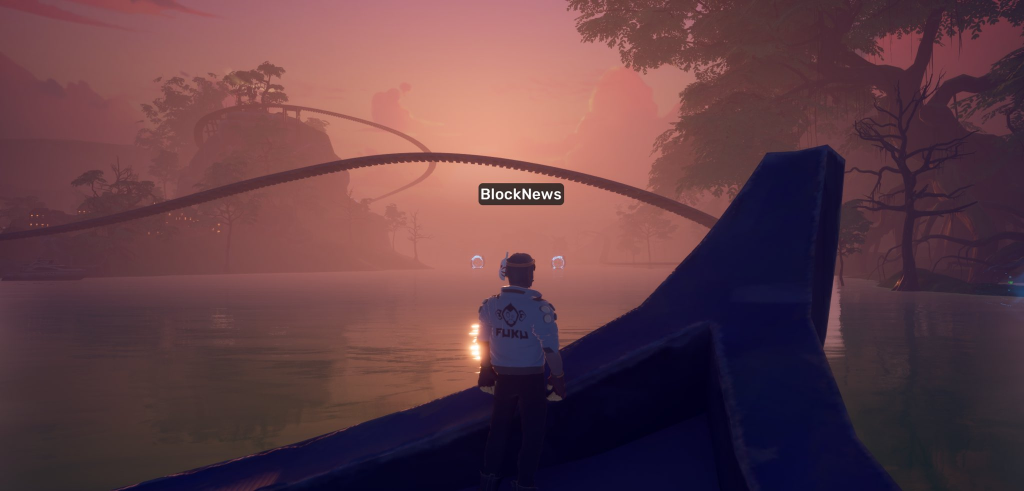
There is also a timing element. Building a metaverse is less about a single launch and more about sustained iteration. As Meta scales back, Otherside continues to add features, including new gameplay loops like the Mega Koda room, challenge systems with visible leaderboards, HUD-based task navigation, and minigames tied to daily engagement. These are incremental, but they are the types of systems that typically drive retention.
Fewer well-funded competitors also means less noise. Attention, developers, and capital tend to concentrate when a category consolidates. Otherside stands to benefit from that shift if it can continue executing.
Can Yuga Shape the Narrative?
Yuga Labs is not guaranteed to “win” the metaverse, but it is now in a stronger position to influence how it develops. Without a dominant Web2 player defining expectations, the category is more open to experimentation.
Yuga’s advantage lies in its existing culture and community. It does not need to convince users that digital assets have value—that assumption is already embedded in its ecosystem. The challenge is translating that into a broader platform that attracts users beyond its initial base.
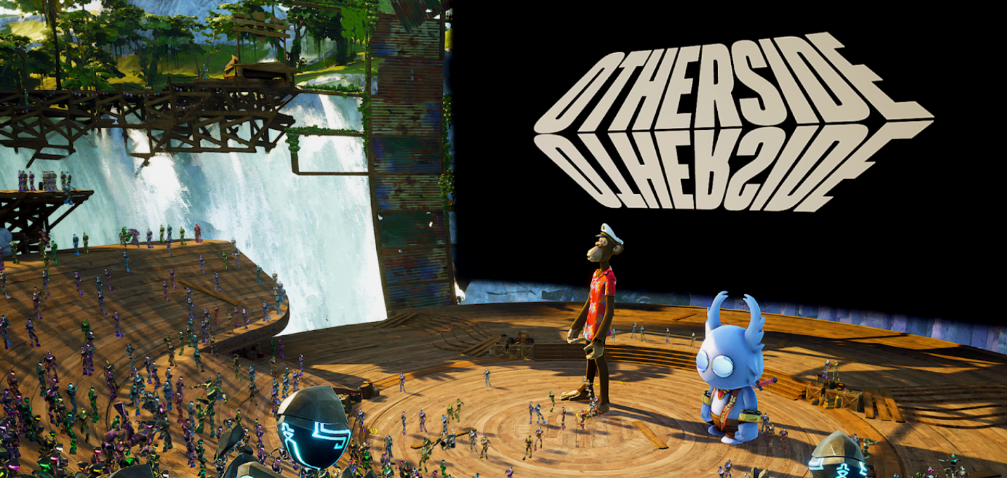
If Otherside can expand access, improve usability, and maintain consistent development, it could help define a version of the metaverse that is less about hardware and more about ownership and participation.
Conclusion
Meta’s pullback highlights the limits of a hardware-first, centralized approach.
That creates an opening. Otherside is still early and faces execution risks, but it is building with different assumptions about users and incentives. In a more open field, those differences may matter more than scale alone.