
- Stablecoin supply continues expanding across global crypto markets
- Regulators say stablecoins will not receive bank-style deposit insurance
- Governments may view them as tools for global dollar dominance
Stablecoins are once again moving into the spotlight as their role in the crypto ecosystem continues to grow. Tether recently minted another $1 billion USDT, adding fresh liquidity to a system that already relies heavily on stablecoins to move capital across exchanges and decentralized finance platforms. The process is fairly straightforward: dollars enter the ecosystem, stablecoins are issued, and that liquidity spreads rapidly through trading venues and blockchain networks.

Over time, these assets have quietly become one of the main plumbing systems of the digital asset economy. Traders rely on them for liquidity, exchanges use them as settlement rails, and decentralized applications depend on them for stable pricing mechanisms. In many ways, stablecoins now function like the internet’s version of the U.S. dollar, even if the structure behind them is very different from traditional banking.
Stablecoins Exist Outside the Banking Safety Net
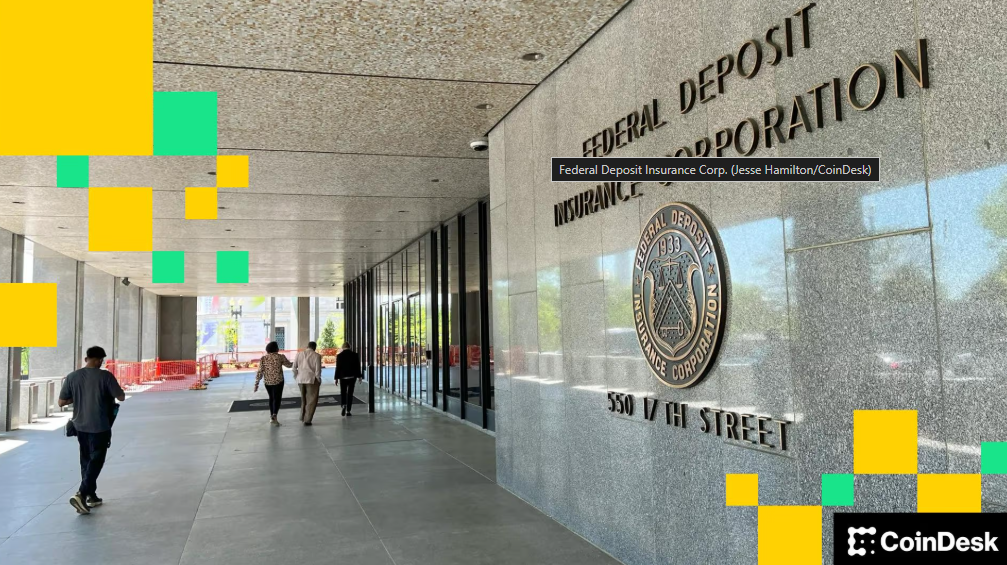
Despite their dollar-like behavior, regulators are making it clear that stablecoins will not come with the same protections as bank deposits. U.S. policymakers recently emphasized that stablecoins issued under proposed regulatory frameworks will not receive federal deposit insurance. That means holders will not enjoy the same guarantees provided to customers who keep funds in insured bank accounts.
The distinction is important, and regulators want it understood. Stablecoins may move like digital dollars and serve similar functions in crypto markets, but they are not traditional bank accounts. Without deposit insurance, users ultimately bear more responsibility for the risks associated with holding them.
Stablecoins Could Strengthen the Dollar Globally
At the same time, policymakers recognize that stablecoins could have strategic value for the United States. Some officials argue that regulated, dollar-backed stablecoins could increase global demand for U.S. dollars and Treasury assets. If people around the world begin holding stablecoins rather than local currencies, the dollar effectively expands its reach through the internet.
This possibility places stablecoins in a unique geopolitical position. They operate within the crypto ecosystem, yet their underlying reserves often depend on traditional financial assets tied to the U.S. economy. In that sense, stablecoins could become a digital extension of the dollar’s global influence.
Stablecoins Are Reshaping Digital Dollar Liquidity
Stablecoins now occupy an unusual middle ground between finance and technology. They are not banks, but they facilitate money movement across borders and markets at speeds traditional systems rarely match. Traders use them as settlement layers, decentralized platforms use them for collateral, and global users rely on them to access dollar-denominated liquidity.
Whether regulators fully embrace them or continue approaching them cautiously, the reality is becoming difficult to ignore. Stablecoins are rapidly evolving into one of the primary ways dollars circulate within the digital economy. And as their supply continues expanding, their role in shaping the future of crypto markets will likely grow even more significant.