

- Former CFTC Chair says banks need crypto regulation more than startups
- The Digital Asset Market Clarity Act could unlock billions in bank investment
- Disputes over stablecoin rewards are slowing the bill in Washington
A surprising dynamic is emerging in Washington as lawmakers debate the Digital Asset Market Clarity Act. Publicly, many major banks often sound cautious when discussing cryptocurrency and blockchain technology. Behind the scenes, however, financial institutions are reportedly pushing hard for legislation that would finally establish clear rules for digital asset markets.
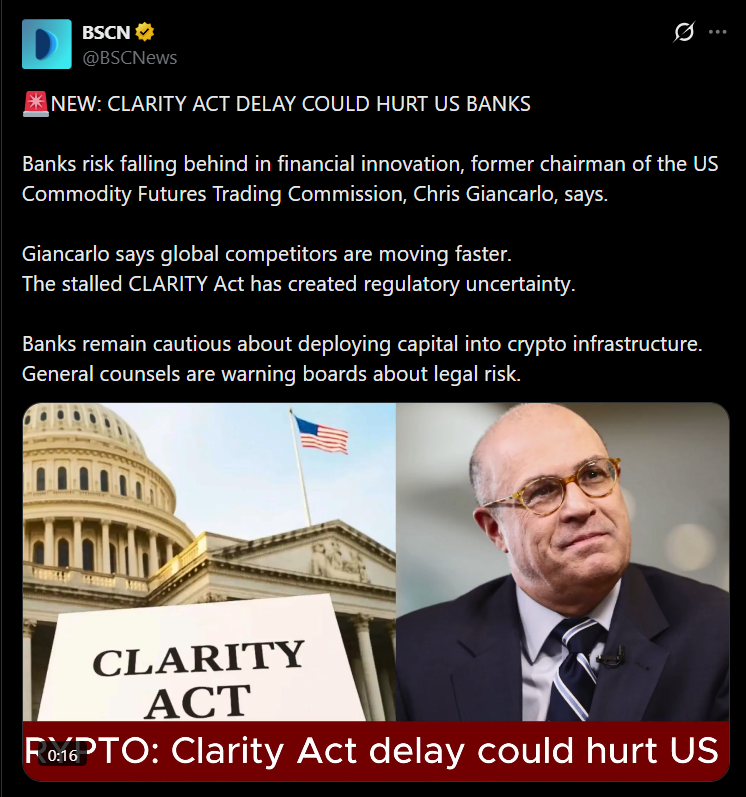
Former Commodity Futures Trading Commission Chair Christopher Giancarlo recently highlighted this contradiction. According to Giancarlo, banks may actually need the legislation more urgently than crypto companies themselves. While crypto firms have spent years building infrastructure and experimenting with blockchain systems, traditional banks face stricter legal constraints that limit how they can enter the market.
Banks Need Legal Certainty to Invest in Blockchain
For large financial institutions, regulatory clarity is not just helpful, it is essential. Banks operate under strict compliance requirements and cannot deploy billions of dollars into new financial infrastructure without clear legal frameworks. Corporate legal teams and general counsels typically require defined regulatory guardrails before approving major investments.
Without those guardrails, many banks remain stuck on the sidelines. Even institutions that believe blockchain could improve payments, settlement systems, and cross-border transfers are reluctant to commit capital until Washington provides clearer rules.
Stablecoin Rewards Have Become a Political Flashpoint
The biggest obstacle to passing the legislation centers on a specific issue: stablecoin rewards. Many crypto companies want the ability to offer incentives or yield programs for users who hold stablecoins. Banks strongly oppose that idea.
Their concern is that stablecoin rewards could pull deposits away from traditional banking systems. If users can earn incentives by holding blockchain-based dollar tokens, some may move funds out of regular bank accounts. That shift could weaken the deposit base that banks rely on to fund lending and other financial services.
Global Competition Is Accelerating
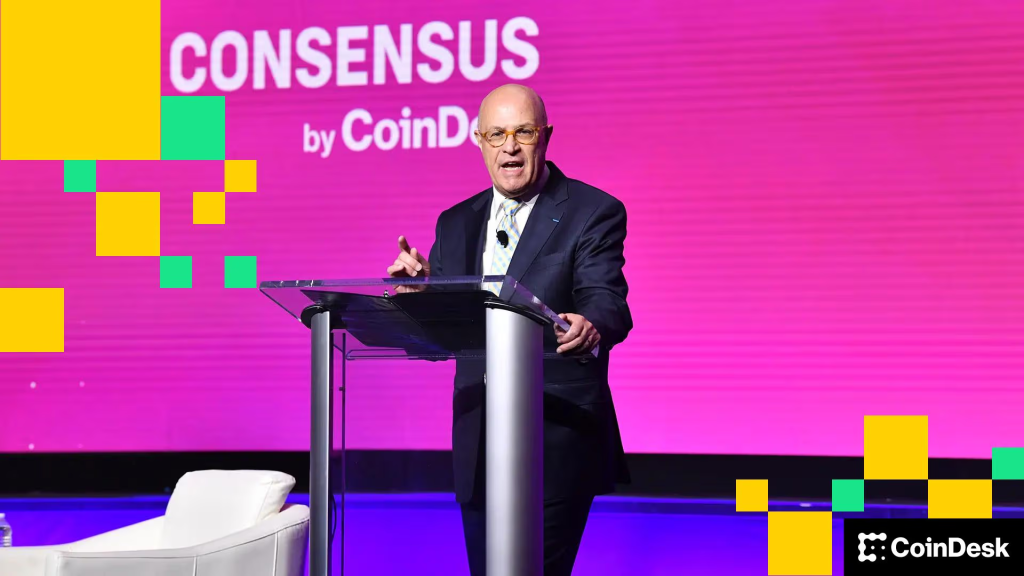
Giancarlo has also warned that delays in US legislation could have international consequences. Other regions, particularly parts of Europe and Asia, are already advancing regulatory frameworks for digital assets. If those systems mature first, blockchain-based financial infrastructure could grow outside US regulatory influence.
In that scenario, American financial institutions might find themselves playing catch-up while global competitors build new payment networks and digital asset markets. For a country that has historically led financial innovation, that possibility is raising concerns in policy circles.
The Pressure for Crypto Regulation Is Growing
The irony surrounding the Digital Asset Market Clarity Act is that crypto companies have already continued building despite regulatory uncertainty. Many startups operate globally and can experiment with blockchain-based systems outside the United States.
Banks do not have that flexibility. Without clear legislation, they cannot fully participate in the next generation of financial infrastructure. That reality explains why some of the strongest pressure for crypto regulation may be coming from the same institutions that once dismissed the technology.