

- Central banks are formally approving stablecoins for regulated settlement
- New stablecoins are reaching multi-billion dollar market caps
- Regulatory frameworks are turning stablecoins into real monetary tools
There was a time when stablecoins lived on the edge of crypto markets, mostly used for trading pairs, arbitrage, or yield strategies. That phase is ending fast. When a central bank like the UAE’s approves a USD-backed stablecoin for regulated settlement, it signals that stablecoins are no longer tolerated experiments. They are being positioned as part of the official payments stack.
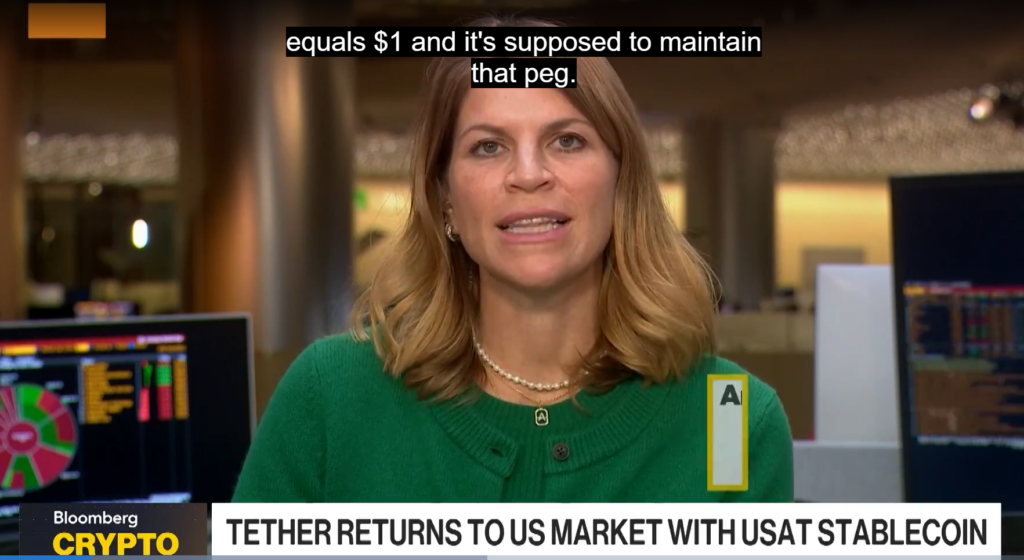
This is not symbolic approval. It is functional. Stablecoins are being allowed to move value inside regulated systems, which is the line crypto has been trying to cross for years.
Market Size Changes the Conversation
Scale forces legitimacy. Stablecoins like USD1 reaching $5 billion in market cap are no longer niche instruments. At that size, they become systemically relevant to exchanges, payment firms, and banks. Billions in circulation means liquidity, reliability, and constant scrutiny.
Institutions do not ignore assets of that scale. They build around them, hedge against them, and eventually integrate them. Market cap turns stablecoins from speculative tools into financial primitives.

Japan’s Regulatory Framework Matters More Than It Sounds
Japan’s move to consult on what qualifies as acceptable reserve assets for stablecoins may seem technical, but it’s foundational. Reserve rules define trust. They dictate how issuers manage risk, how redemptions work, and how resilient the system is during stress.
Countries that establish clear, credible reserve standards early will likely attract stablecoin issuers, capital, and fintech innovation. Regulation here is not suppression. It is infrastructure.
Conclusion
Stablecoins have crossed a quiet but important threshold. They are no longer just crypto plumbing. They are becoming regulated, scalable, and globally relevant money instruments. When central banks, regulators, and markets all start treating them seriously at the same time, that shift is no longer theoretical. It is structural.