
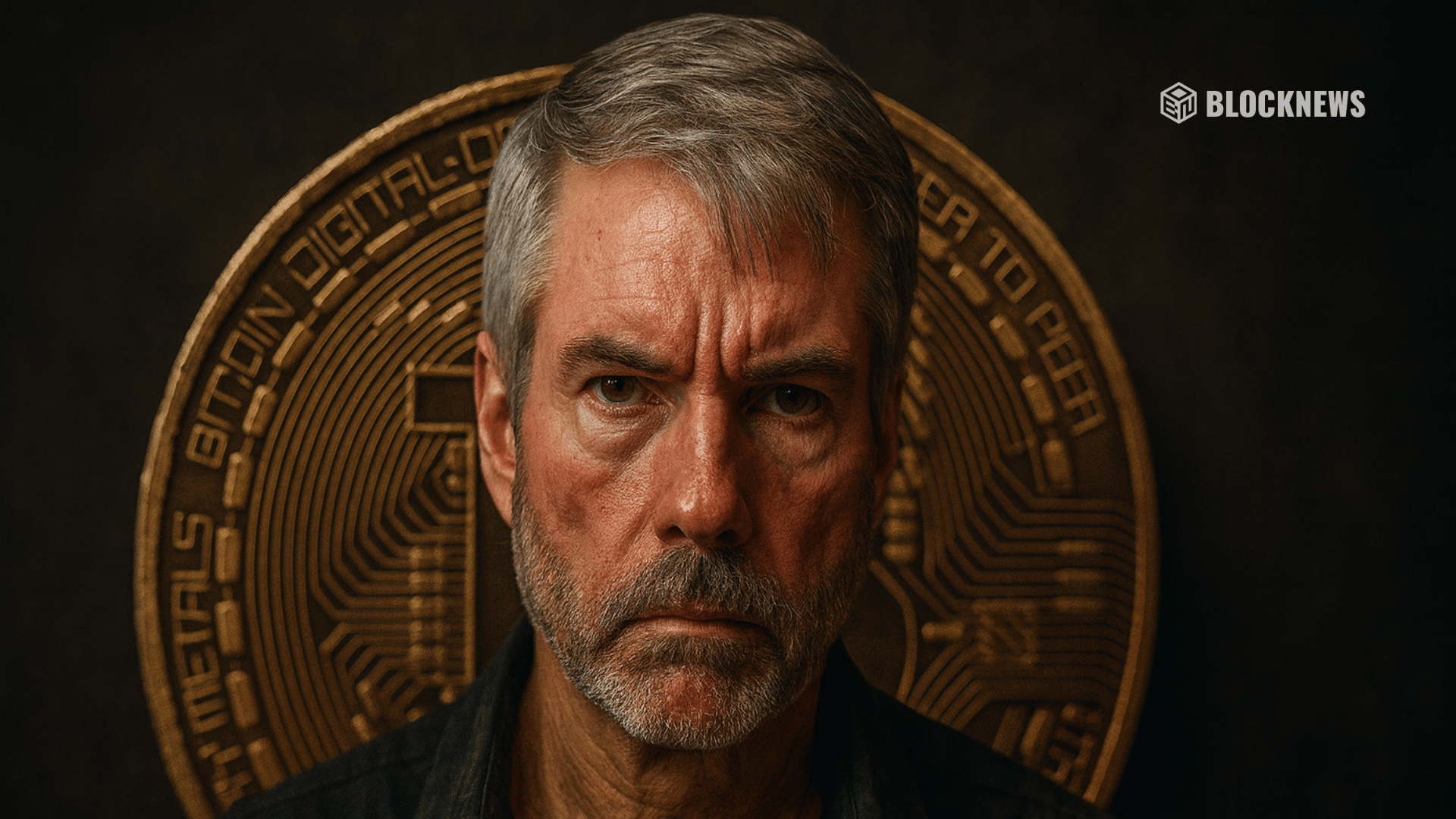
- Saylor is meeting sovereign wealth funds in Saudi Arabia, UAE, Qatar, and Kuwait to promote Bitcoin as a strategic reserve asset.
- These funds control trillions, meaning even small BTC allocations could reshape global institutional adoption.
- Middle East interest in digital assets is rising fast, making this outreach unusually well-timed for Bitcoin’s long-term narrative.
Michael Saylor is once again pushing Bitcoin into bigger rooms, and this time he’s targeting the largest pools of capital on the planet: sovereign wealth funds. These government-owned funds manage trillions in national reserves, shaping global markets with every move they make. Saylor believes Bitcoin fits naturally into their long-term strategies, and he’s spending the coming weeks proving that point across the Middle East. His message stays the same — digital assets aren’t just speculative toys anymore, they’re slowly becoming part of real-world financial architecture.

Why Sovereign Funds Could Transform Bitcoin’s Trajectory
Sovereign wealth funds are built from oil revenue, natural-resource surpluses, and nation-level profits, giving them enormous influence on global investment flows. If even a few of these funds decide Bitcoin belongs in their long-horizon portfolios, it would act like an institutional greenlight for the rest of the world. Saylor argues that Bitcoin’s fixed supply, decentralized nature, and inflation-hedging properties make it a modern counterpart to old reserve assets like gold… just with better portability and transparency baked in.
Inside Saylor’s Middle East Meetings
Over the next several weeks, Saylor plans to sit down with key figures from Saudi Arabia, the UAE, Qatar, Kuwait, and surrounding hubs that control some of the world’s largest sovereign wealth funds. These meetings aren’t about hyping Bitcoin for a quick price jump — he’s framing it as a strategic reserve asset that strengthens portfolios over decades, not months. MicroStrategy’s own multibillion-dollar Bitcoin position is his proof-of-concept, a living example of institutional conviction that he hopes will resonate with leaders managing national wealth.

Regional Momentum That Supports the Bitcoin Case
The Middle East has rapidly grown into one of the most crypto-forward regions in the world. Dubai and Abu Dhabi rolled out formal regulatory regimes, major institutions have begun exploring tokenized finance, and governments are studying digital assets as complementary holdings for future economic cycles. Saylor’s tour taps directly into this wave of curiosity, pitching Bitcoin as a long-term hedge and a reserve alternative that fits the economic transitions many of these countries are planning for the next decade.